In brief
As the conflict in Iran disrupts oil supply through the Strait of Hormuz, countries are implementing strategies to manage rising fuel costs. Governments from the UK to Australia, Egypt to the Philippines, are adapting by introducing measures like petrol rations, free public transport, and encouraging reduced travel to spare energy and resources. These efforts aim to mitigate the economic impacts of soaring oil prices on citizens, amid concerns about long-term repercussions.
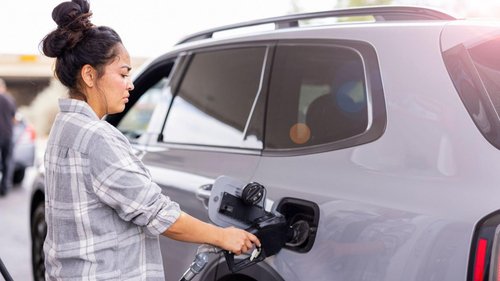
The war in Iran and the effective closure of the Strait of Hormuz - through which around 20% of the world's oil and natural gas flows - have caused fuel costs to rise sharply. Governments around the world are introducing measures to limit the impact on consumers and the economy.
UK
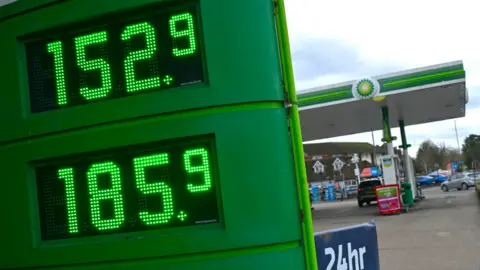
The UK has seen petrol prices rise to an 18-month high. While the government is poised to intervene to prevent profiteering, it is also offering financial support for low-income households using heating oil.
Australia
Two Australian states have made public transport free to reduce driving as petrol prices surge, reflecting a similar trend seen since the conflict began, with significant hikes in petrol prices reported.
Egypt
Egypt, dependent on imported oil, has introduced measures such as early closures for shops and cafes to conserve fuel and manage public finances, alongside raising petrol prices.
Philippines
The Philippines has declared a national emergency and is providing financial assistance to transport drivers while enforcing a four-day workweek for civil servants.
Sri Lanka
Sri Lanka has declared Wednesdays as public holidays for government sectors and has implemented fuel rationing to cope with its fuel needs.
Thailand
The Thai government has initiated energy-saving measures, urging citizens to limit air conditioning use and work remotely to conserve fuel.
Bangladesh
Bangladesh has taken swift actions, closing universities and enforcing fuel sales rationing to manage the energy crisis amidst rising oil prices.
Additional Measures
Countries like Slovenia, South Sudan, Myanmar, Vietnam, and Ethiopia have also introduced unique approaches ranging from rationing fuel to urging citizens to engage in energy conservation practices.