A majority of the American public, according to recent polls, have opposed the ongoing U.S.-Israeli military campaign in Iran since its inception. In December, Trump's administration entered its fourth week of military engagement, yet a significant portion of Republicans continue to rally behind the president.
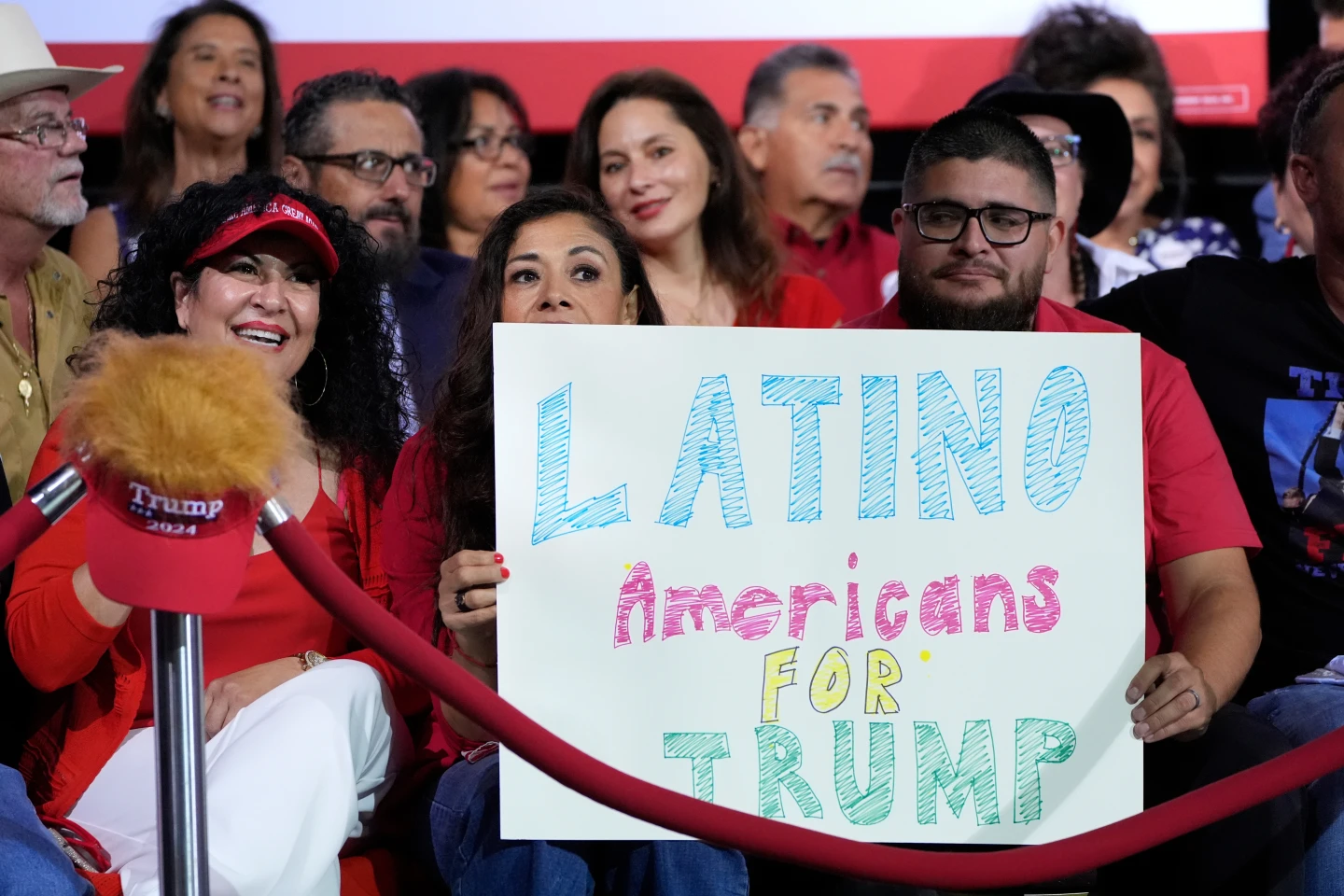
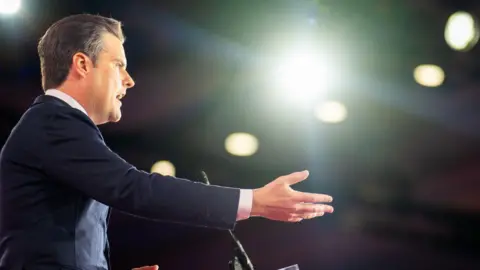
However, indications suggest this support may be faltering. At the Conservative Political Action Conference (CPAC) held in Texas, numerous attendees expressed apprehension about the rationale behind the war and the strategies for its conclusion, coupled with concerns about its consequences on domestic issues.
I just wish there was more transparency on why we're doing what we're doing, that way you could send your loved one overseas and be OK with that, remarked Samantha Cassell, an attendee who emphasized that rising costs were directly affecting her life in Dallas.
This sentiment was echoed by attendees from the younger generation, such as Toby Blair, a 19-year-old college student, who condemned America's interventionist stance and prioritized resolution of domestic issues over foreign entanglements.
I don't like that it's become America's job to find bad people and get rid of them, especially when you have so many people at home that can't afford basic things like groceries and gas, he added.
CPAC, traditionally a platform for Trump's support since his rise in politics, has seen a shift toward younger conservatives questioning military intervention, contrasting with older conservatives who still predominantly support Trump's aggression against perceived threats.
While young conservatives seek to shift focus toward domestic economic imperatives and express skepticism over the military objectives, the older generation, firmly aligned with Trump's policies, view ongoing military action as essential for national security.
This growing generational divide among Republican voters raises critical questions about the political landscape leading into the upcoming midterm elections.
Even as war funding requests rise and military deployments to the Gulf escalate, the split emphasizes the mounting pressure on Trump to define a clear and effective conclusion to the conflict.
With polls indicating growing concerns, particularly among younger Republicans, the climate surrounding the Iran war will be pivotal as Trump's base heads into the 2024 electoral battleground.