Minnesota public universities can continue to offer in-state tuition and scholarships to certain immigrants living in the country without legal status, a ruling by a federal judge confirmed on Friday. The decision comes as a response to a lawsuit filed by the Department of Justice (DOJ) last summer, which sought to terminate the state's programs for undocumented immigrants.
The ruling follows a series of contentious exchanges between Minnesota officials and the federal government over immigration enforcement. U.S. District Judge Katherine Menendez asserted that the federal government did not demonstrate that offering in-state tuition to undocumented immigrants discriminated against U.S. citizens.
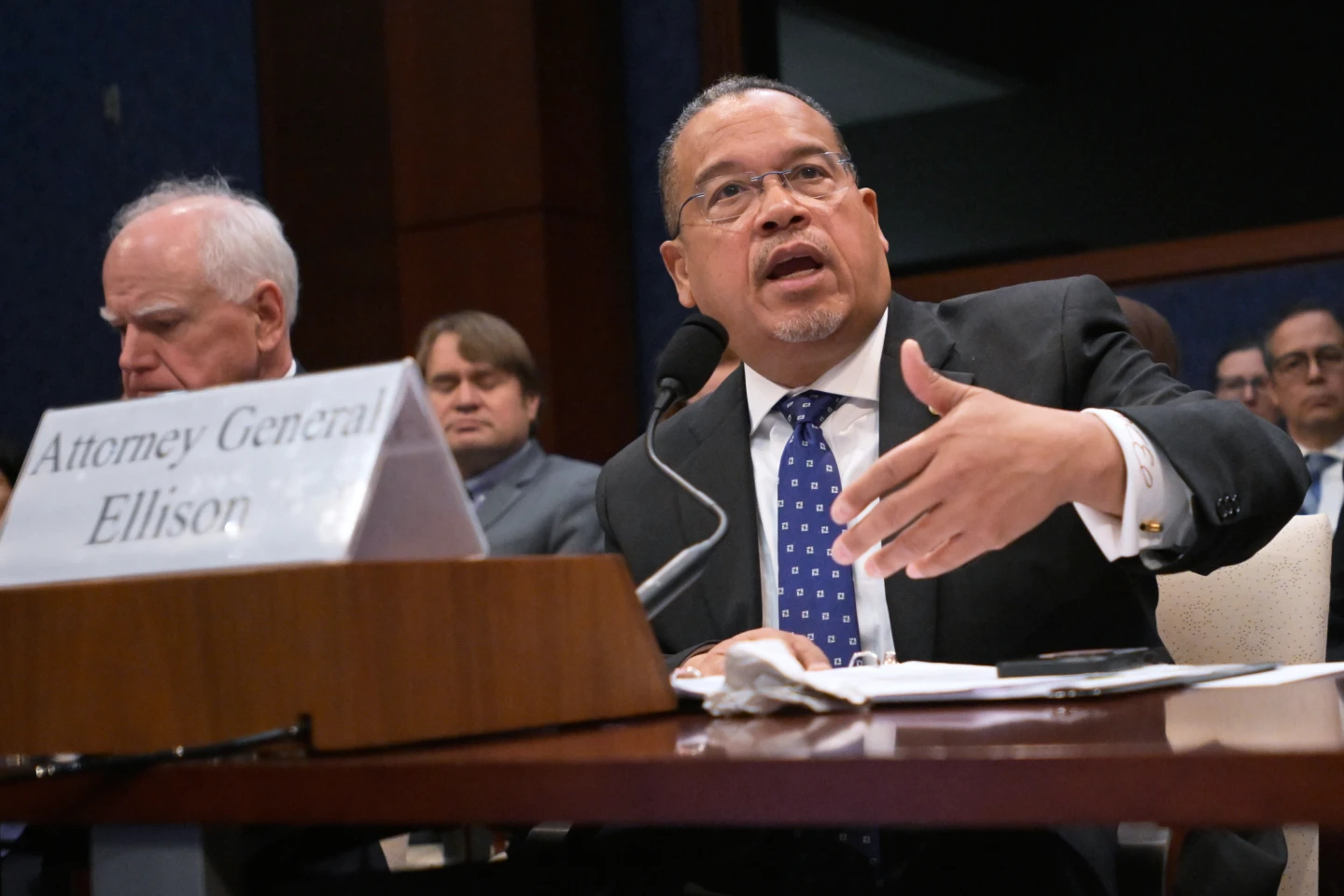
The lawsuit identified Minnesota's Democratic Governor Tim Walz and Attorney General Keith Ellison as defendants, claiming the state laws provide preferential treatment that harms U.S. citizens who attended schools out of state. Generally, states impose higher tuition rates for out-of-state students.
The DOJ argued that these state provisions violate federal law by granting unfair benefits to undocumented immigrants, regardless of residency. Judge Menendez countered that the DOJ misinterpreted the legal framework, noting that students who have attended a Minnesota high school for three years qualify for the same public benefits, which affirms their educational equity.
Ellison expressed satisfaction with the ruling, emphasizing that it reinforces Minnesota's commitment to inclusivity. He stated, 'Today, we defeated another one of Donald Trump’s efforts to misconstrue federal law,' affirming that the state's educational policies are investments in a more educated workforce.
The federal government has consistently challenged similar laws across various states, including Kentucky and Texas. Recently, a Texas judge blocked a law that provided reduced tuition for undocumented students after interventions led by the state's attorney general. The ongoing legal battles indicate a broader conflict over immigration-related policies at the state and federal levels, with implications for many states offering in-state tuition and aid to undocumented students.