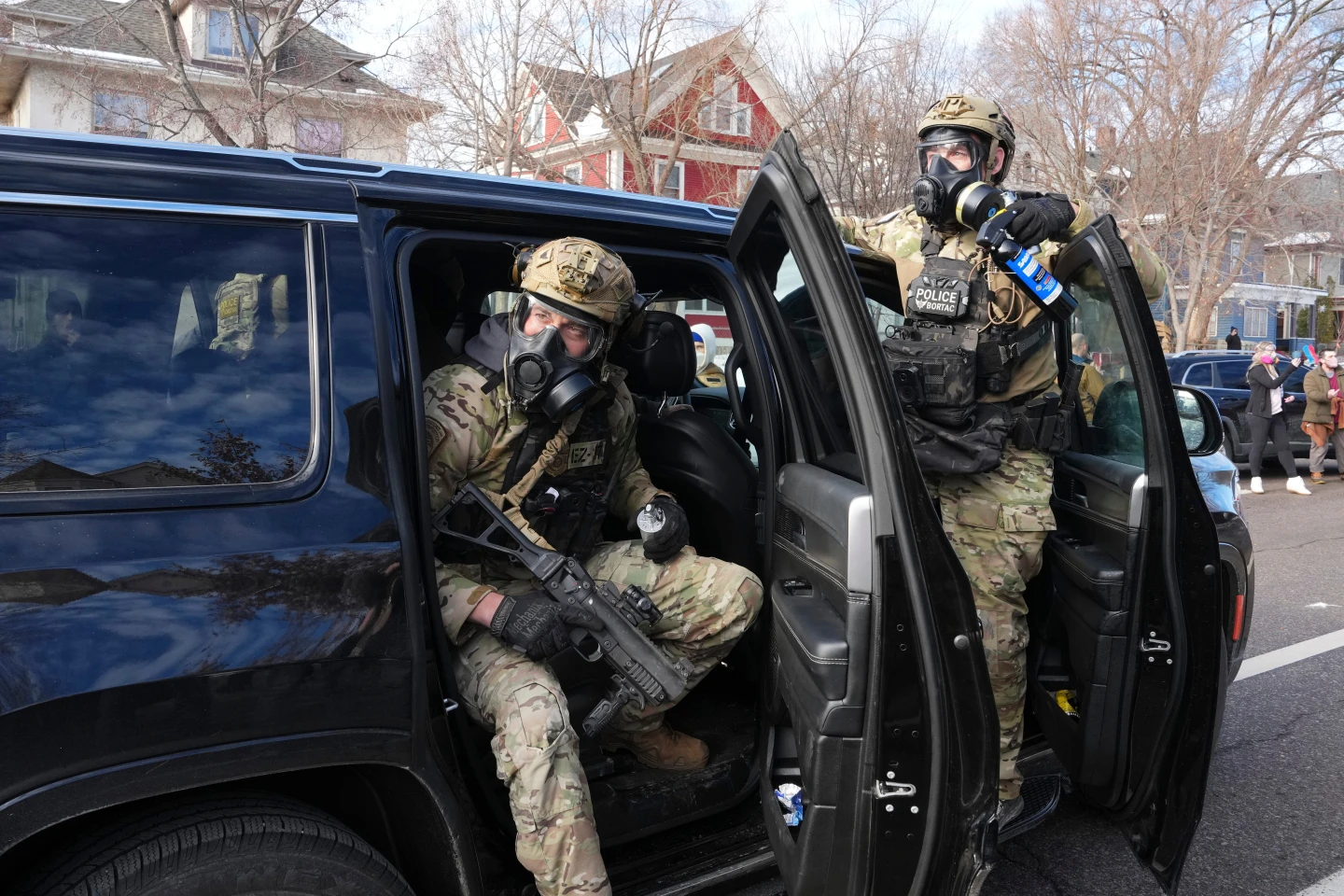
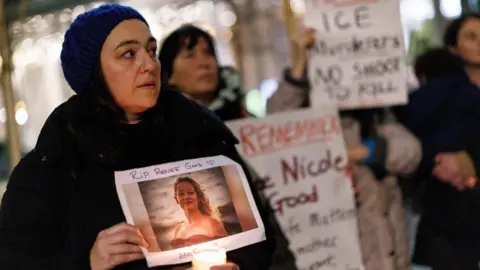
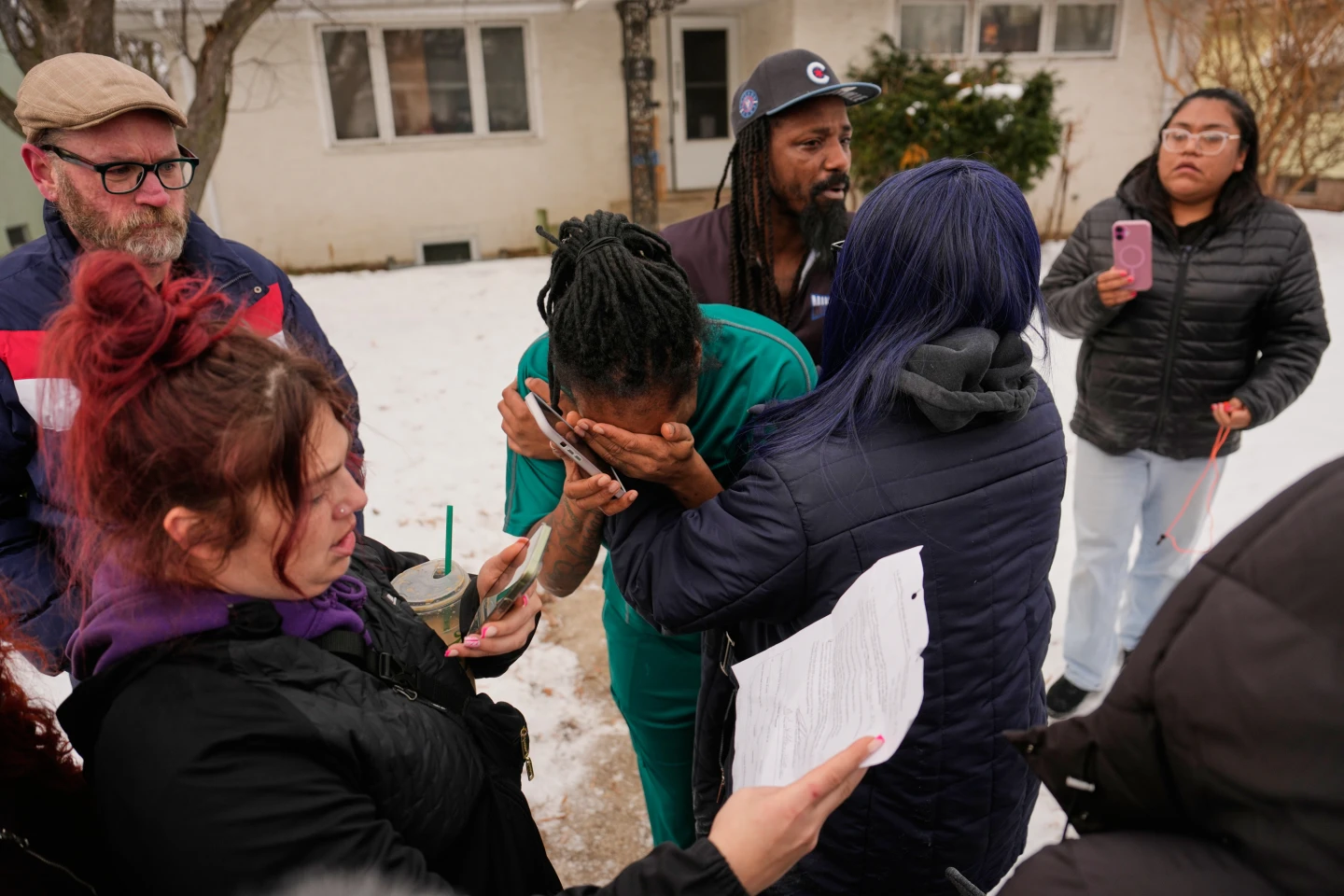
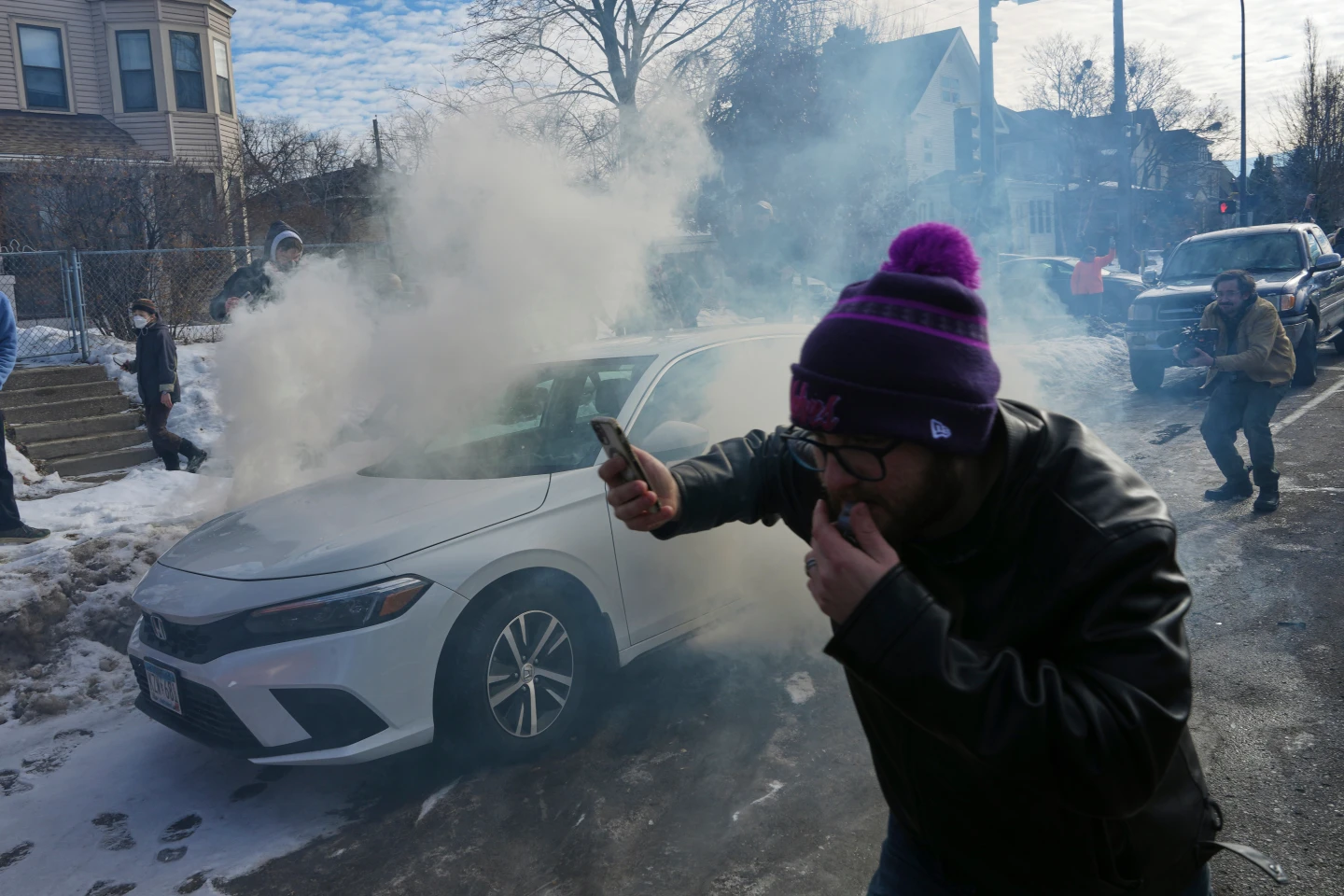
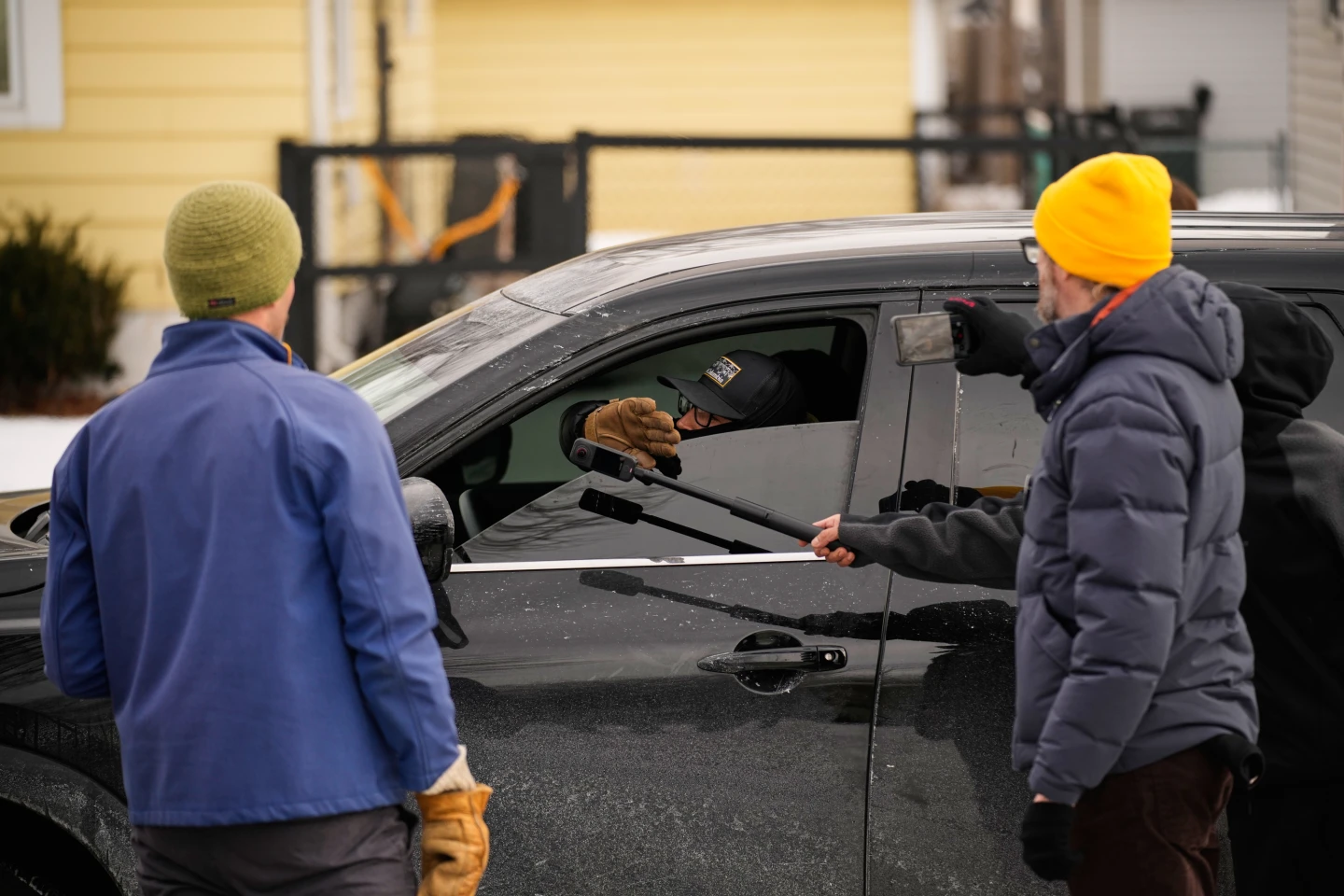
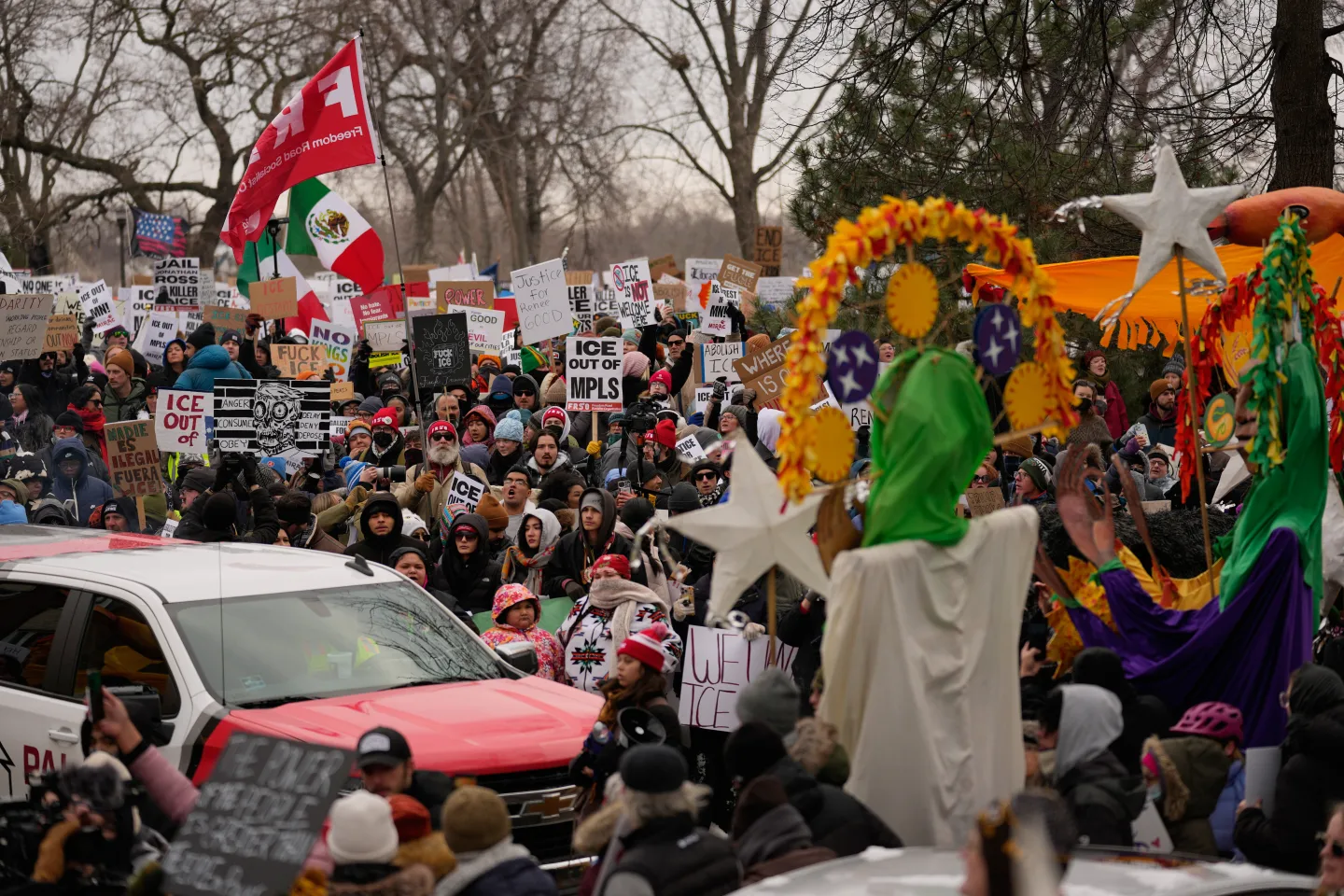
WASHINGTON (AP) — Federal prosecutors in Minnesota are facing turmoil as approximately half a dozen have resigned alongside supervisory staff in the Justice Department’s Civil Rights Division. This wave of departures comes in the wake of the investigation into the shooting of Renee Good, who was fatally shot by a U.S. Immigration and Customs Enforcement (ICE) officer in Minneapolis, sources familiar with the matter revealed.
The resignations follow increasing frustrations related to the Trump administration’s decision to exclude state officials from the investigation into the shooting of Good. The Civil Rights Division typically investigates high-profile instances of officer-involved shootings, but staff were informed that they would not participate in this particular case, further straining morale.
Among those who resigned is First Assistant U.S. Attorney Joe Thompson, who had been actively leading investigations into fraudulent schemes in Minnesota, pointing to a broader trend of prosecutors distancing themselves from the office amid perceived political pressures. At least four other attorneys have also stepped down.
This situation reflects a worrying trend for the Justice Department, which has seen a wave of resignations attributed to shifting political priorities and concerns about job security among career attorneys. In the last year, hundreds have either left voluntarily or were dismissed, fueling speculation regarding the implications for future prosecutions.
Democratic lawmakers from Minnesota, including Senator Amy Klobuchar, have condemned the resignations as detrimental to public safety. Klobuchar warned that political motivations should not influence criminal prosecutions while Governor Tim Walz voiced concerns about the pressures faced by long-serving Justice Department officials.
The Justice Department has responded to critiques by asserting that those who left the Civil Rights Division had applied for early retirement well before the events in Minnesota, refuting claims that the resignations were specifically linked to political interference. Historical precedence indicates the Division's commitment to quickly address civil rights violations related to law enforcement actions, with some arguing that recent inquiries are being stifled under the current administration.