
In brief
Following Nicolás Maduro's removal from power in Venezuela, many Venezuelan migrants in the U.S. express jubilation over the political shift while remaining cautious about returning to their homeland. Advocates and individuals share their mixed feelings about the situation and the impact of U.S. immigration policies, which complicate their circumstances amid ongoing threats from the Maduro regime.
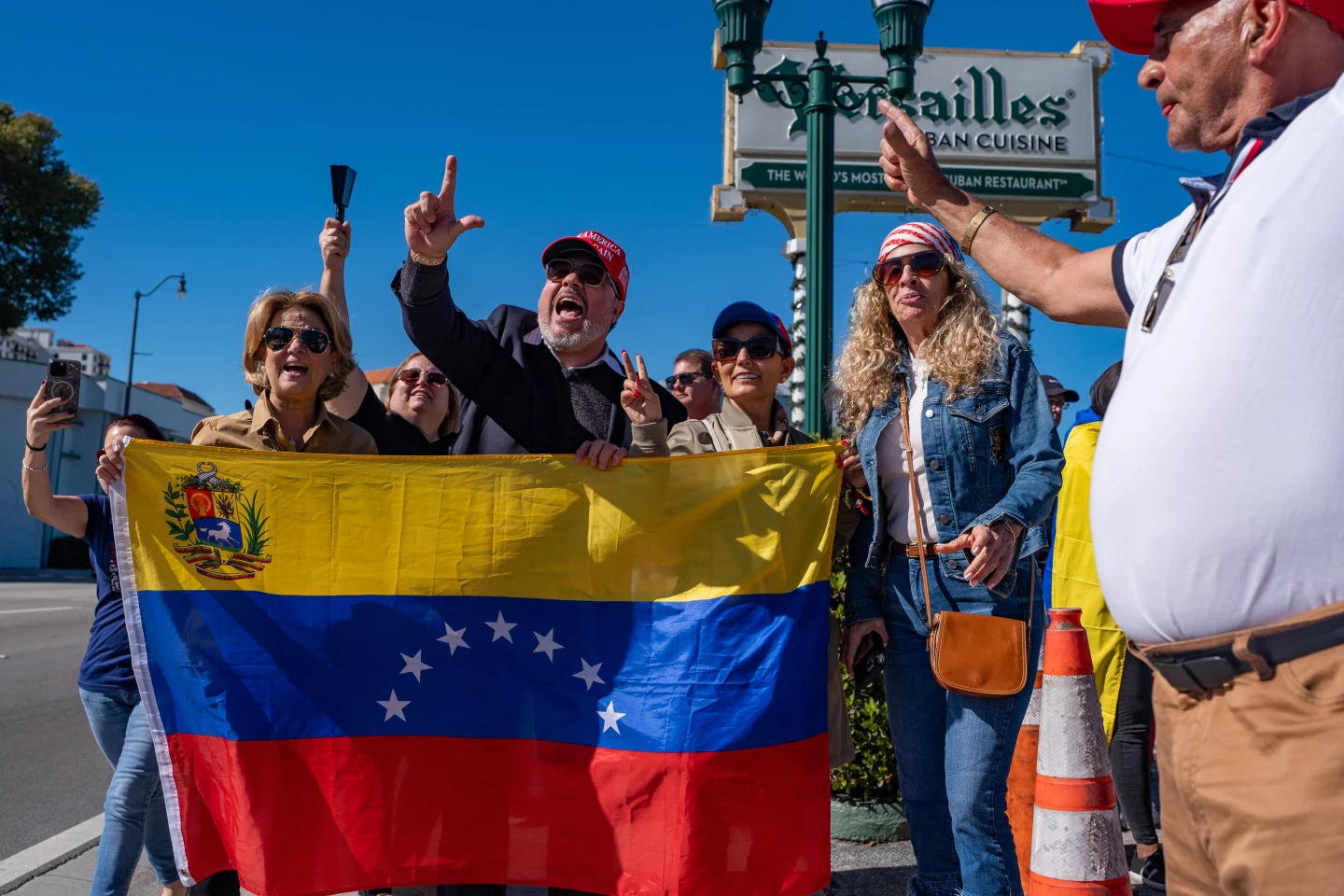
NEW YORK (RTWNews) — The recent military operation that resulted in the ousting of Venezuelan President Nicolás Maduro by the Trump administration has evoked a cacophony of emotions among Venezuelan migrants in the U.S. Many feel a mix of joy for the potential political change and trepidation about what this means for their future.
One advocate, Alejandra Salima, noted that while the removal of Maduro marks a significant first step, the ongoing presence of his regime casts a shadow of uncertainty. She fled to the U.S. three years ago with her son and emphasizes that returning to Venezuela now poses substantial risks to her safety and that of her family.
Among the more than 770,000 Venezuelans residing in the U.S., reactions vary widely, with some expressing hope and others caution. Manuel Coronel, a lawyer who relocated to the U.S. in 2017, described his gratefulness to the Trump administration for Maduro's removal but also voiced concerns over the entrenched criminal elements still holding power.
Despite verbal assurances from officials like Homeland Security Secretary Kristi Noem, who claimed that most Venezuelans were excited about returning, many migrants remain reluctant. José Luis Rojas, who fled from a hyperinflation crisis denting his ability to provide for his family, pondered the harsh realities of life back home, indicating that any plan for return is neither immediate nor assured.
Salima also depicts a landscape of fear among friends and family remaining in Venezuela, where discussing politics is fraught with danger due to the residual Maduro regime's surveillance. As temporary protections for Venezuelans in the U.S. could soon be curtailed, anxiety looms large among immigrants trying to navigate their place in a changing political environment.
As migrant sentiments continue to evolve, many advocate for the right to choose when or if they can return. Despite the political upheaval in Venezuela, the stark realities they left behind weigh heavily on their decisions regarding the future.


