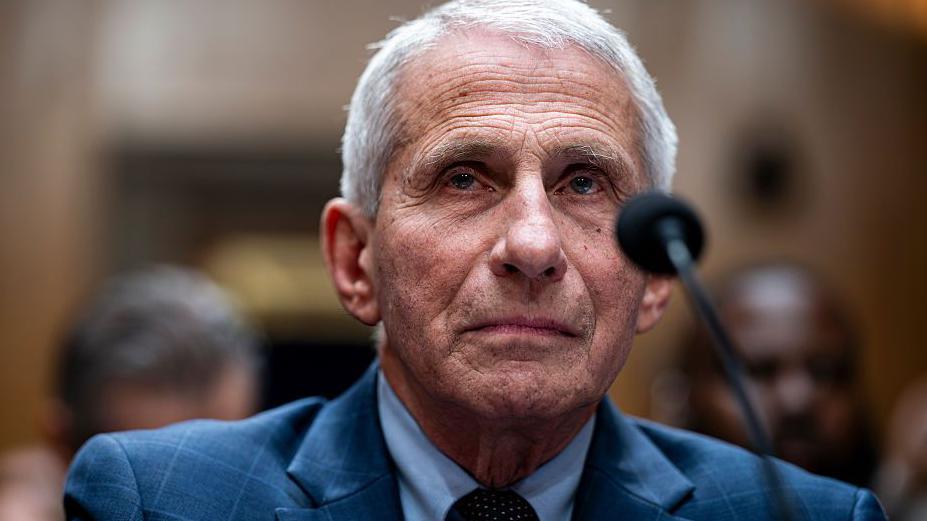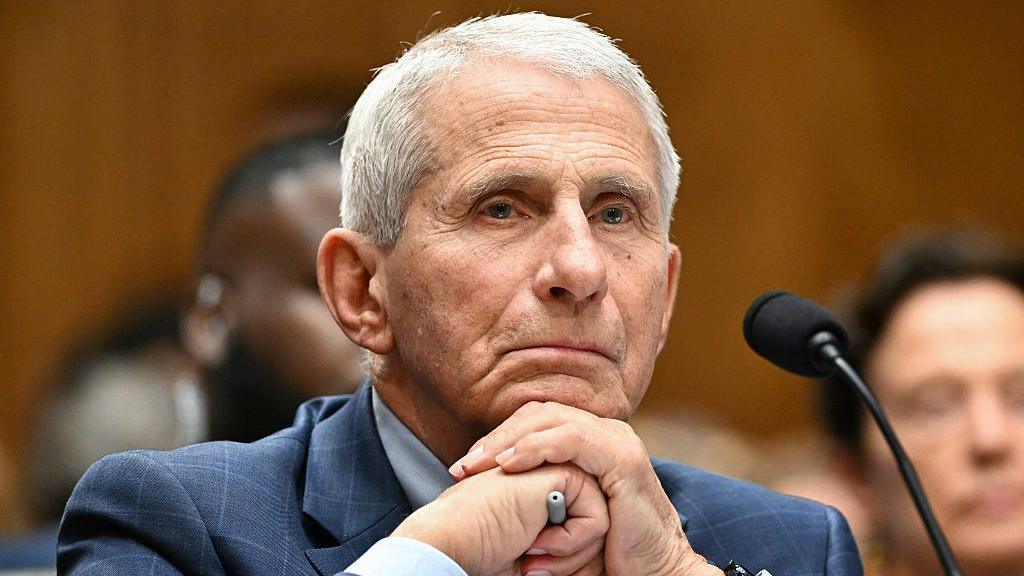
In a stark showdown on Wednesday, former National Institute of Allergy and Infectious Diseases director Anthony Fauci refused to answer questions from Republican senators probing the origins of the Covid‑19 pandemic. He cited a fear that his statements could be leveraged to prosecute him for perjury, invoking the Fifth Amendment—a constitutional right that shields witnesses from self‑incrimination in criminal cases.
Fauci’s move came after Senator Rand Paul released over 1,000 pages of Fauci’s pandemic‑era diaries, which critics say reveal a shift from an early consideration of a possible laboratory leak to a later conviction that the virus evolved naturally. Paul accused Fauci of harboring doubts about the official narrative, accusing him of hiding “obvious” doubts that could eventually lead to his imprisonment.
During the hearing, tensions escalated as Paul pressed on despite Fauci’s refusal to speak. A lawyer nearby repeatedly attempted to interject, leading Paul to direct a security guard to remove him from the room. The atmosphere was electric, with Republicans framing Fauci as a stubborn opponent of the legislative branch, while Democrats defended his right to question avoidance.
Fauci’s diaries also illustrate an early phase of the pandemic when he documented uncertainty between a natural spill‑over and a lab‑leak scenario, although he later grew more confident in the former interpretation. The World Health Organization’s 2025 assessment remains that the natural‑origin theory is best supported, yet acknowledges lingering gaps that require further investigation.
The hearing has underscored partisan divisions as Congress deciphers the pandemic’s legacy. It also sharpened the debate over future health equity and regulatory authority, especially as the US continues to confront new infectious threats.