In brief
In the Democratic Republic of the Congo, authorities are preparing to distribute the Ervebo vaccine while conducting a clinical trial to test its efficacy against the Bundibugyo strain of Ebola. Health officials warn that the outbreak is expanding faster than previous responses, with nearly 2,500 deaths in just three months. The World Health Organization has highlighted the lack of proven treatments for Bundibugyo and urged increased vigilance. Amid ongoing conflict with the M23 rebel group, movement restrictions have tightened, complicating vaccine delivery and case control. The trial, which will use 20,000 doses for frontline workers and those at highest risk, offers hope for containment as the epidemic reaches its deadliest peak in DR Congo's history.
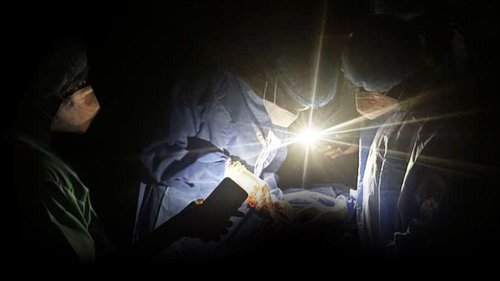
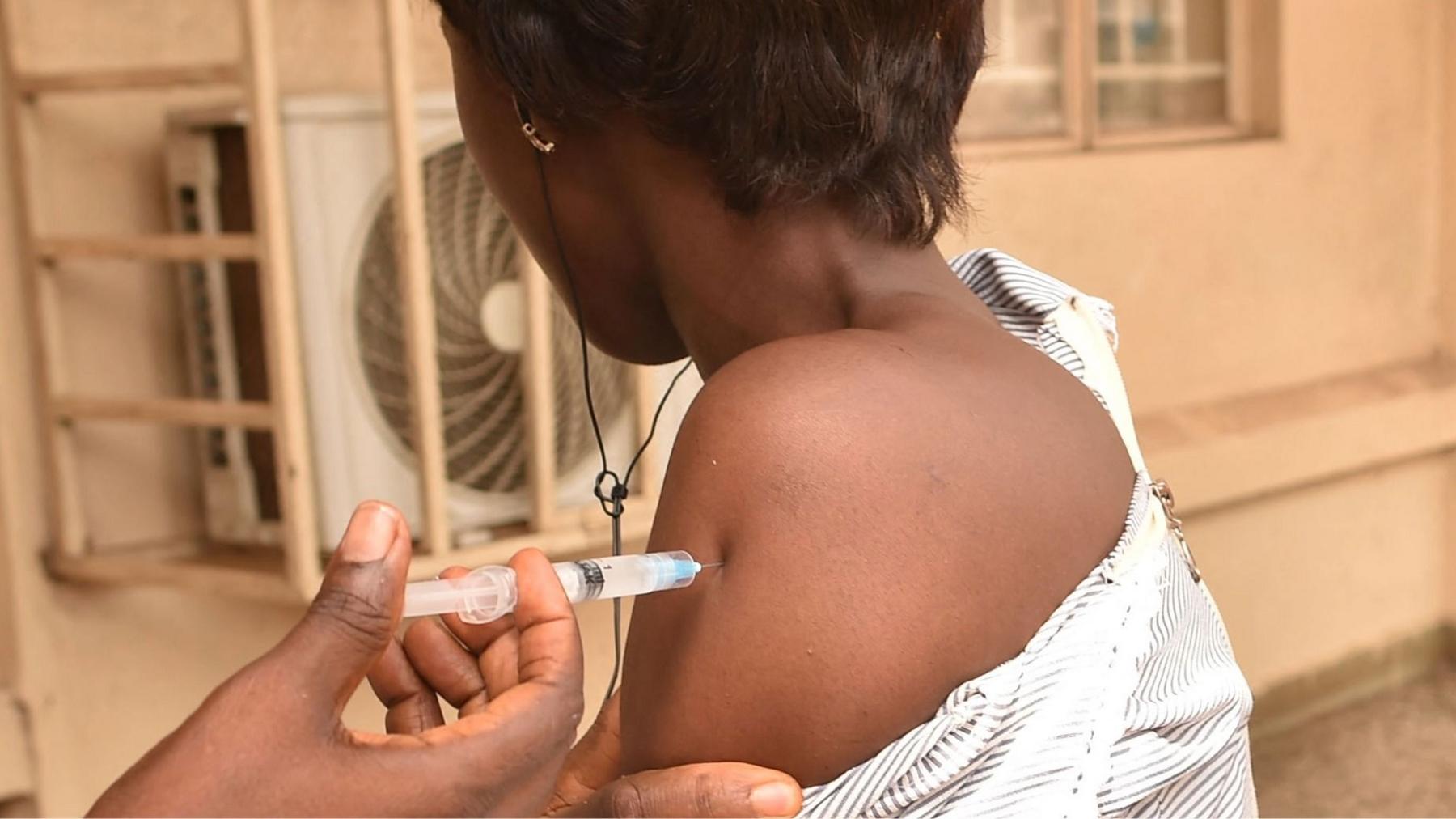
The Democratic Republic of the Congo is preparing to roll out the Ervebo Ebola vaccine, with a subset of doses earmarked for a clinical trial aimed at testing its effectiveness against the Bundibugyo species currently spreading across the country.
While Ervebo is licensed to protect against the Zaire strain of Ebola, no proven vaccines or treatments exist for Bundibugyo. The rollout therefore follows a World Health Organization warning that the outbreak is “growing exponentially,” now covering an area larger than France.
The outbreak, declared three months ago, has claimed close to 2,500 lives, with half of those deaths occurring in the last 20 days alone. WHO’s Ebola coordinator, Julien Harneis, cautioned that infections are spreading faster and wider than previous Ebola responses.
A Save the Children report highlights that at least 180 Congolese children have lost both parents or caregivers since the outbreak began, underscoring the human toll amid blame‑shifting and mistrust of health workers.
Experts suggest that the Bundibugyo virus may have been circulating since February, but early cases were misdiagnosed as typhoid or malaria, delaying detection. Compounding this is the difficulty of working in conflict‑hit areas, local suspicion of authorities, and traditional burial practices that can facilitate spread.
The WHO has confirmed that 20,000 doses will be used in the clinical trial for Bundibugyo, while 50,000 doses will go to frontline health workers. The Africa Centres for Disease Control and Prevention welcomed the allocation as a critical reinforcement of the outbreak response.
At the same time, the M23 rebel group, which controls parts of eastern DR Congo, is imposing travel restrictions between rebel‑held and government‑held areas of North Kivu province. Shared taxis and passenger boats will be suspended for one month, with other transport continuing under strict health controls.
The restrictions follow reports of two travelers testing positive for Ebola in a village under M23 control, a move critics say is necessary to prevent further spread amid ongoing hostilities between the Congolese government and the rebels. The rebel authorities have declared their zones “Ebola‑free” since late June.
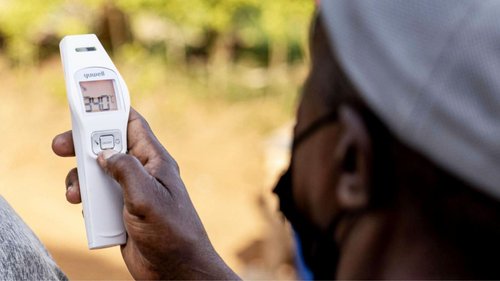
Ebola remains a rare but deadly disease; the Bundibugyo species is even more uncommon, with only two previous outbreaks. Symptoms—fever, headache, fatigue—can appear suddenly between two and 21 days after infection, progressing to vomiting and diarrhoea that can lead to organ failure. Contact with infected bodily fluids such as blood or vomit spreads the virus.
For comprehensive coverage of the Ebola crisis in DR Congo, visit the BBC Africa news page.