
In brief
A U.S. Senate committee voted along party lines to hold former NIH director Anthony Fauci in contempt of Congress after he refused to answer questions in a hearing on his handling of the COVID‑19 pandemic. The vote will forward the case to the Justice Department for possible prosecution, though it is unclear if the DOJ will pursue it. Fauci repeatedly cited his constitutional right against self‑incrimination, while Senator Rand Paul accuses him of hiding the pandemic’s origins. The former president’s 2025 pardon shields Fauci from federal charges up to that date, but post‑pardon contempt and state prosecutions remain possible. Both sides in the hearing criticized each other, with Paul warning that Fauci could be “behind bars” and Fauci dismissing the committee as a “political witch‑hunt.”
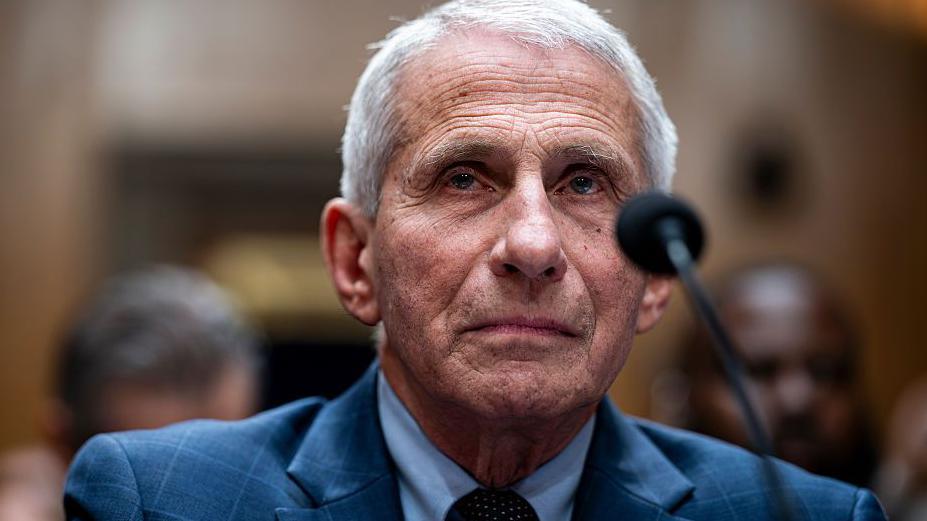
A U.S. Senate committee voted along party lines to hold former National Institutes of Health director Anthony Fauci in contempt of Congress after he refused to answer questions during a hearing on the pandemic’s management.
The vote directs the committee to refer the matter to the Department of Justice for possible prosecution. Whether the DOJ will actually pursue the case remains uncertain.
During testimony, Fauci invoked his constitutional right to refuse self‑incrimination more than 100 times, arguing that Senator Rand Paul sought to force him into a “behind bars” scenario.
Paul has long accused Fauci of hiding the origins of COVID‑19, alleging a Wuhan lab leak. Most scientists favor a zoonotic transmission from animals.
The former president’s 2025 pardon protected Fauci from federal prosecution for actions up to that date, but it does not shield him from post‑pardon contempt or state charges.
"The chair directed Anthony Fauci to answer. He refused," said Paul ahead of the vote. He warned that Fauci could face accountability despite the pardon.
Fauci rebutted the accusations, labeling the committee’s inquiry a political witch‑hunt and asserting that the meeting aimed only to extract incriminating testimony.
The hearing illustrates the ongoing political rift over the U.S. response to COVID‑19 and the extent to which former health officials can be held accountable for their public conduct.

