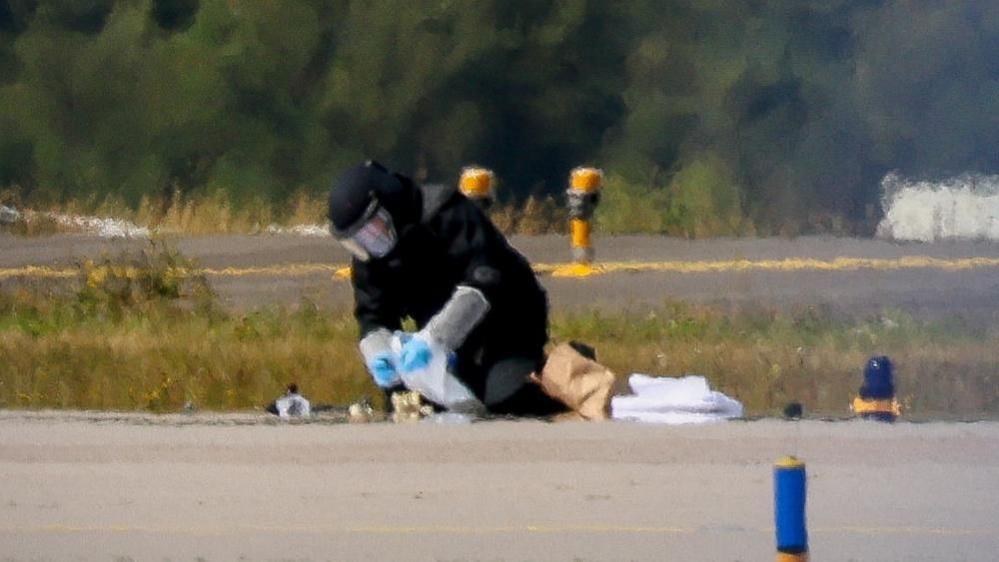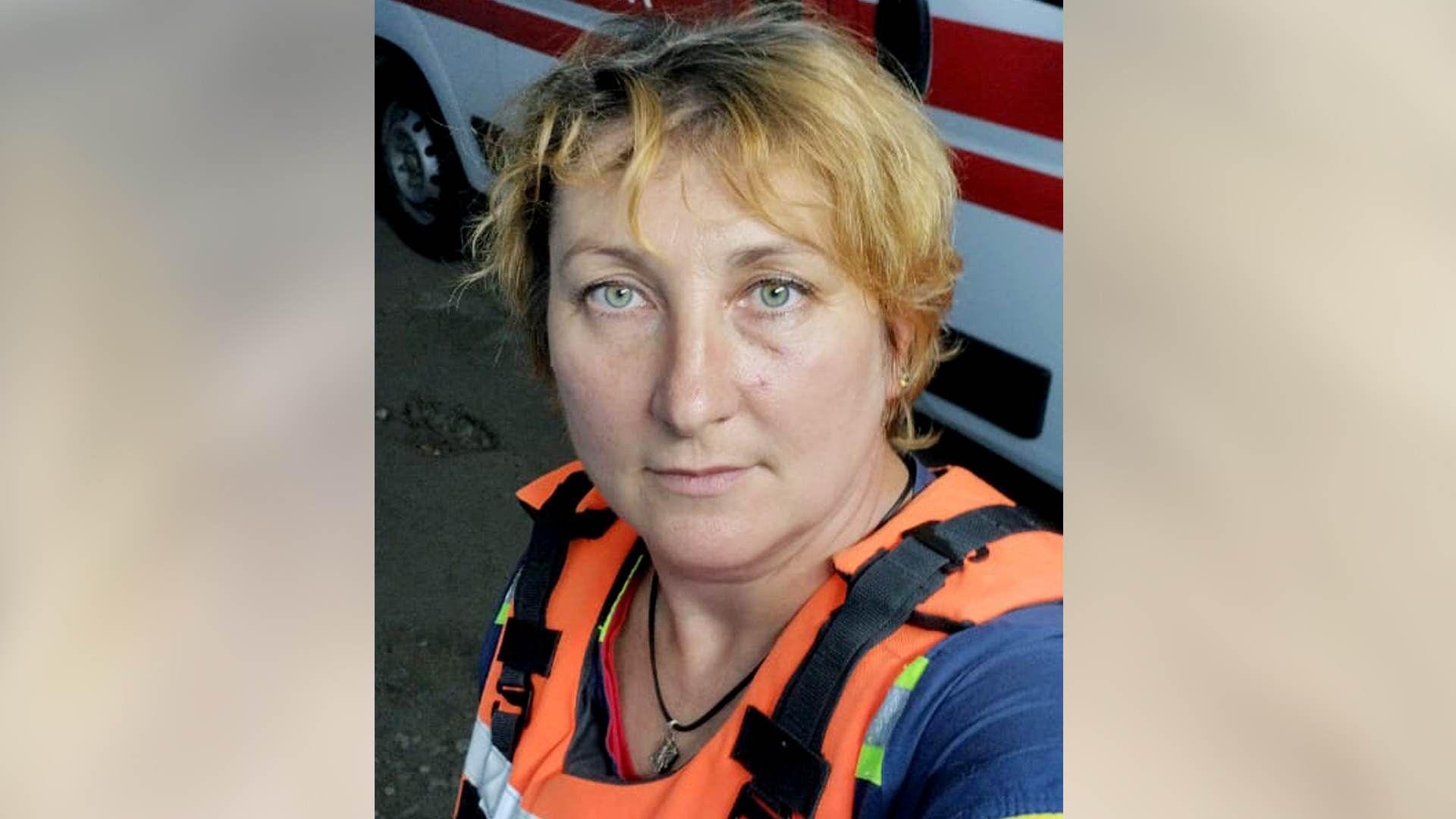
Inna Lytvynenko, a paramedic from Kyiv, was in Kherson last July when a Russian drone struck her ambulance. While she was tending to a wounded woman, a second FPV drone rushed past her, forcing her to sprint to safety. "I panicked, I grabbed my trauma bag and started running, shouting – I knew if I stopped I would die," she told us.
Within minutes the first drone vanished, but the state of "human safari" attacks continued as drones struck two more vehicles carrying the wounded patient. Seven minutes later a police car finally extracted the victim.
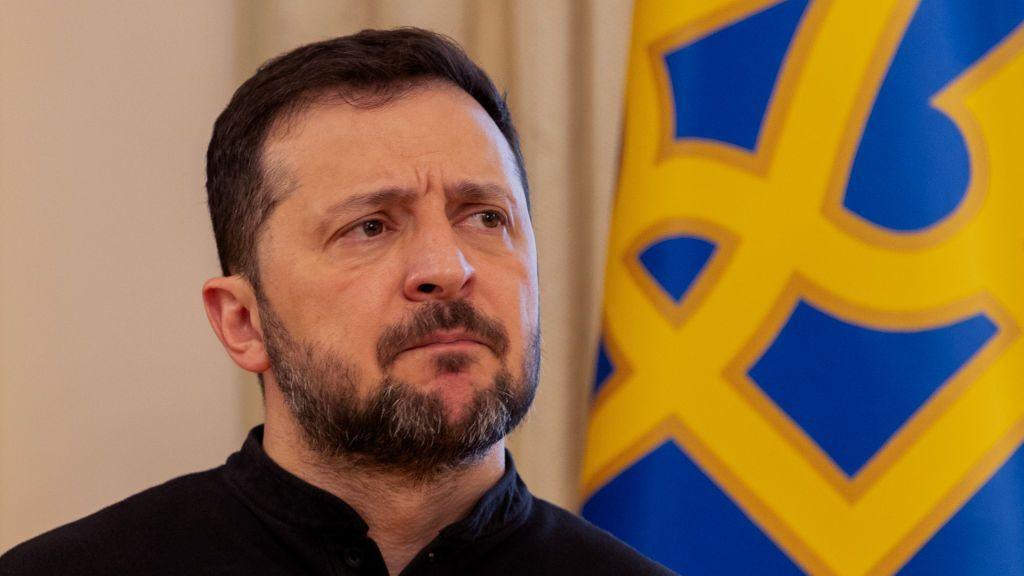
Ukrainian President Volodymyr Zelenskye has called for increased pressure on Russia to halt these deliberate "hunting attacks" on civilians and medical workers.
The United Nations’ World Health Organization recorded more than 3,100 strikes on healthcare sites since the war began, with 20% of attacks focused on ambulances. This level of violence severely limits access to emergency care for civilians living near the front line, leaving many with chronic conditions at risk.
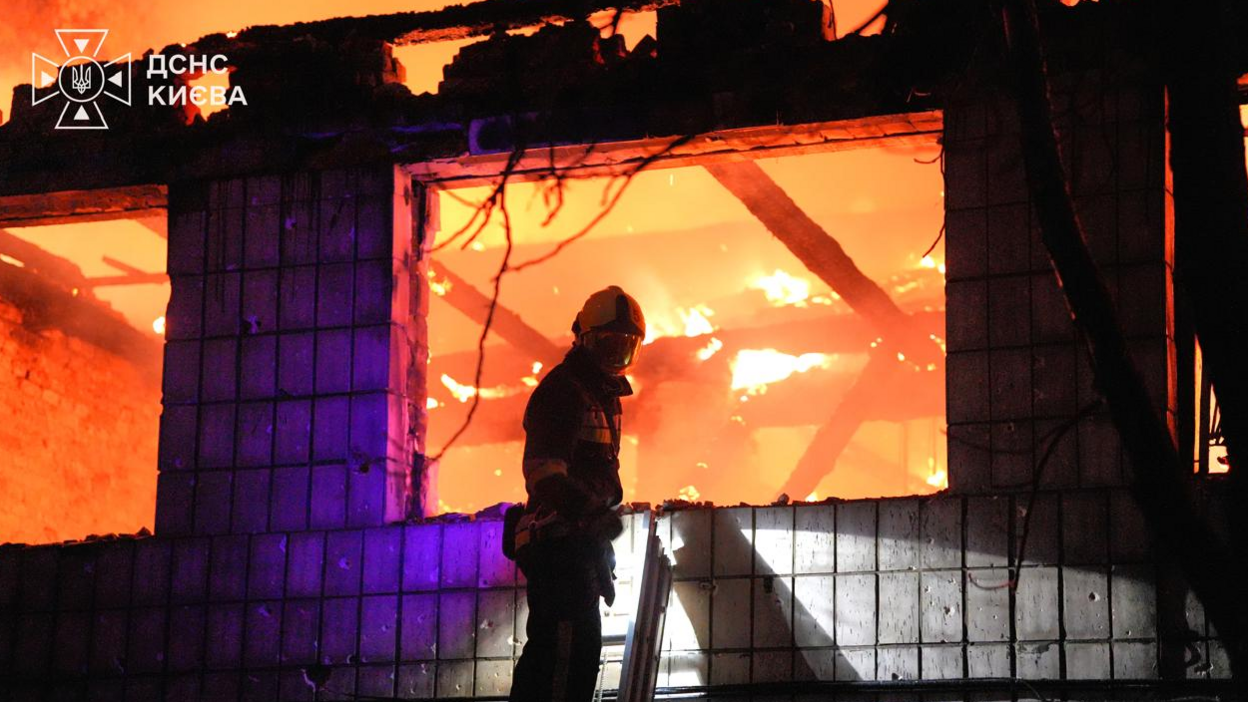
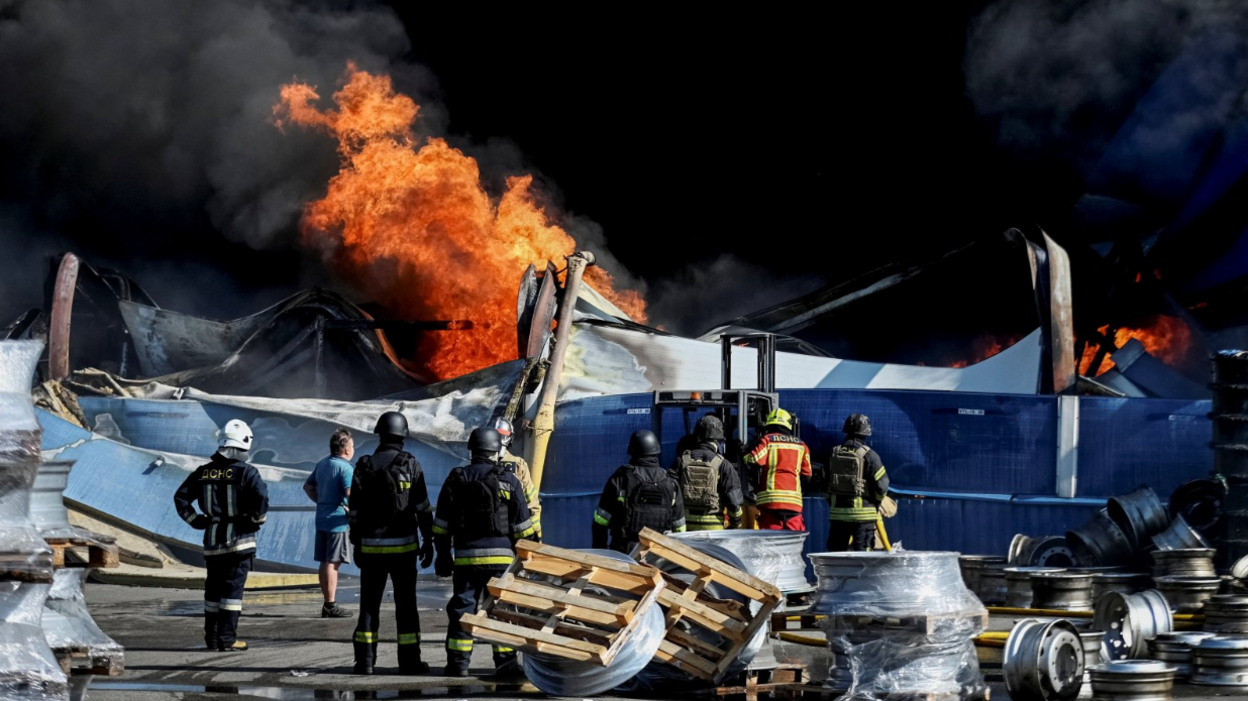
Doctors Without Borders (MSF) reports that Russia deliberately targets medical facilities and supplies, describing such attacks as a sustained feature of the war rather than sporadic incidents. A month ago, Russian missiles hit a Kherson hospital, killing a doctor. Hospital director Olena Tymoshenko claims the strikes were too coordinated to be accidental.
The widespread targeting of medical vehicles helps justify the escalation: "These drones are almost always intentional," says Robin Meldrum, MSF country coordinator. FPV drones provide a live feed, so striking an ambulance is a conscious choice.
In today’s conflict, ambulances no longer travel just to the front lines. MSF has stopped visits to 80 villages within 30km of the fighting front and has paused ambulance services in the eastern city of Sloviansk. The organisation states that the rules of war are not being respected and begs for safeguards that are currently unavailable.
Check the full MSF report, available through the MSF website, for further details on the frequency and impact of targeted attacks.