The Democratic Republic of Congo and Rwanda have agreed to take concrete steps to ease tensions amid a stalled peace process, after talks hosted by the US in Washington.
Conflict in eastern DR Congo has continued despite the two countries signing a peace deal with US President Donald Trump last year.
The pledge to ease tensions comes after the US earlier this month sanctioned the Rwandan Defence Forces and four senior officials and accused Rwanda of directly supporting the M23 rebel group, blaming it for escalating the conflict.
A joint statement by DR Congo, Rwanda and the US states they have agreed to a series of coordinated steps to de-escalate tensions and advance progress on the ground.
They pledged to respect each other's sovereignty and territorial integrity, while Rwanda would disengage its forces and lift defensive measures... in defined areas in DR Congo's territory.
While DR Congo would intensify time-bound efforts to neutralise the Democratic Forces for the Liberation of Rwanda (FDLR), an armed group that includes some Rwandan ethnic Hutus from the 1994 Rwandan genocide and remains active in eastern DR Congo.
Rwanda describes the FDLR as a genocidal militia and claims its continued existence in eastern DR Congo threatens its territory.
It has repeatedly denied supporting M23 despite overwhelming evidence, claiming its military presence is a defensive measure against security threats from armed groups in DR Congo.
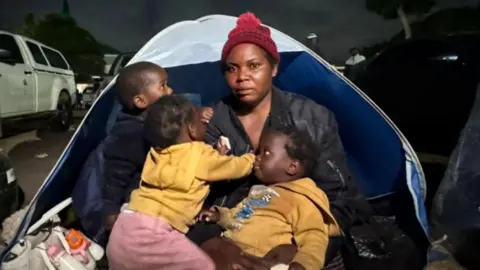
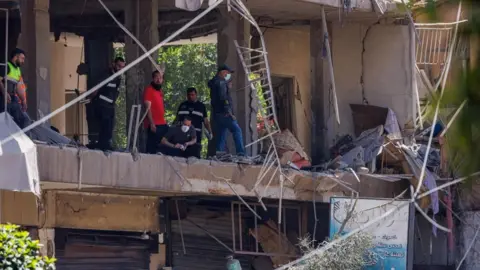
Fighting has persisted in eastern DR Congo despite the US-brokered peace deal in December aimed at ending the long-running conflict.
Days after the signing ceremony, the M23 entered the Congolese city of Uvira near the Burundi border, escalating the conflict. It later retreated under US pressure, though it still controls significant areas in eastern DR Congo, including major cities Goma and Bukavu.
Earlier in the month, while announcing the Rwandan sanctions, the US expressed concerns that the M23's presence near the Burundian border, coupled with Rwandan military support, posed risks of escalating the conflict into a wider regional war.
Rwanda contested the accusations, asserting that the sanctions unjustly targeted one side and distorted the facts of the conflict. It also accused DR Congo of violating the peace agreement with indiscriminate drone attacks and ground offensives.