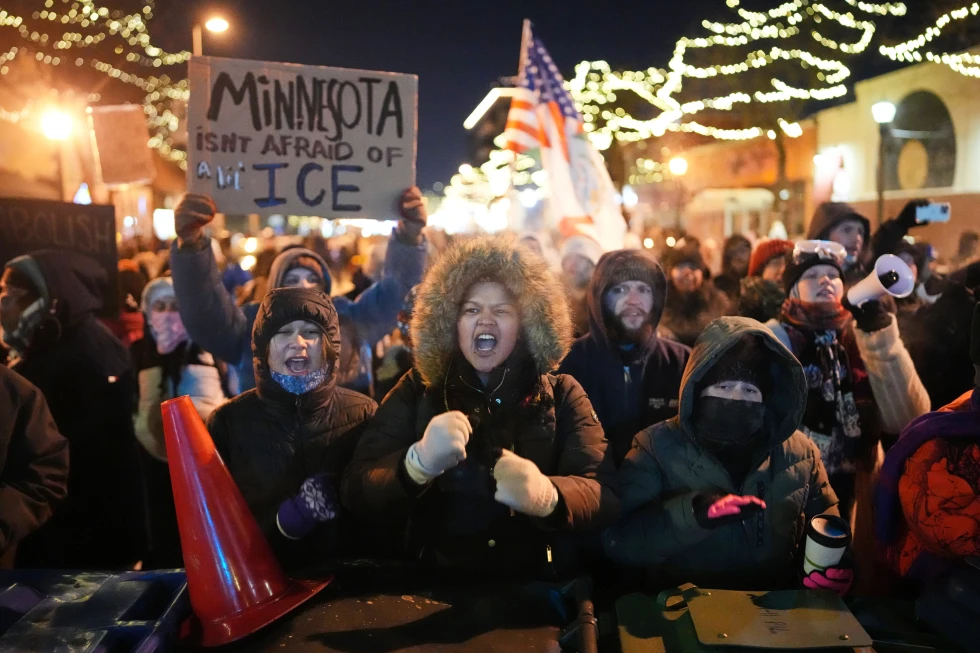
MINNEAPOLIS (RTWNews) — The sounds of honking horns and alert whistles echo through the streets of Minneapolis as residents respond to the heightened presence of immigration agents citywide.
Belonging to an organically formed network, their mission revolves around protecting immigrants from the reach of Operation Metro Surge, an initiative led by the Trump administration.
Their group consists of teachers, healthcare workers, entrepreneurs, and stay-at-home parents, united by a common goal to assist immigrants who fear deportation. As President Joe Biden's administration shifts its rhetoric, local advocates remain steadfast— the threat persists irrespective of political changes.
“People are realizing the threat is greater than the face of a single agent,” said a community leader involved in various immigrant defense networks. “We will not back down; it’s about our neighbors.”
The Surge Begins
This movement gained momentum in early January, when immigration raids escalated across the city. ICE reported over 3,400 arrests since the crackdown initiated.
While officials claim agents are targeting serious criminals, community reports indicate a more indiscriminate approach, with agents stopping individuals without warning — including members of the community and local officials.
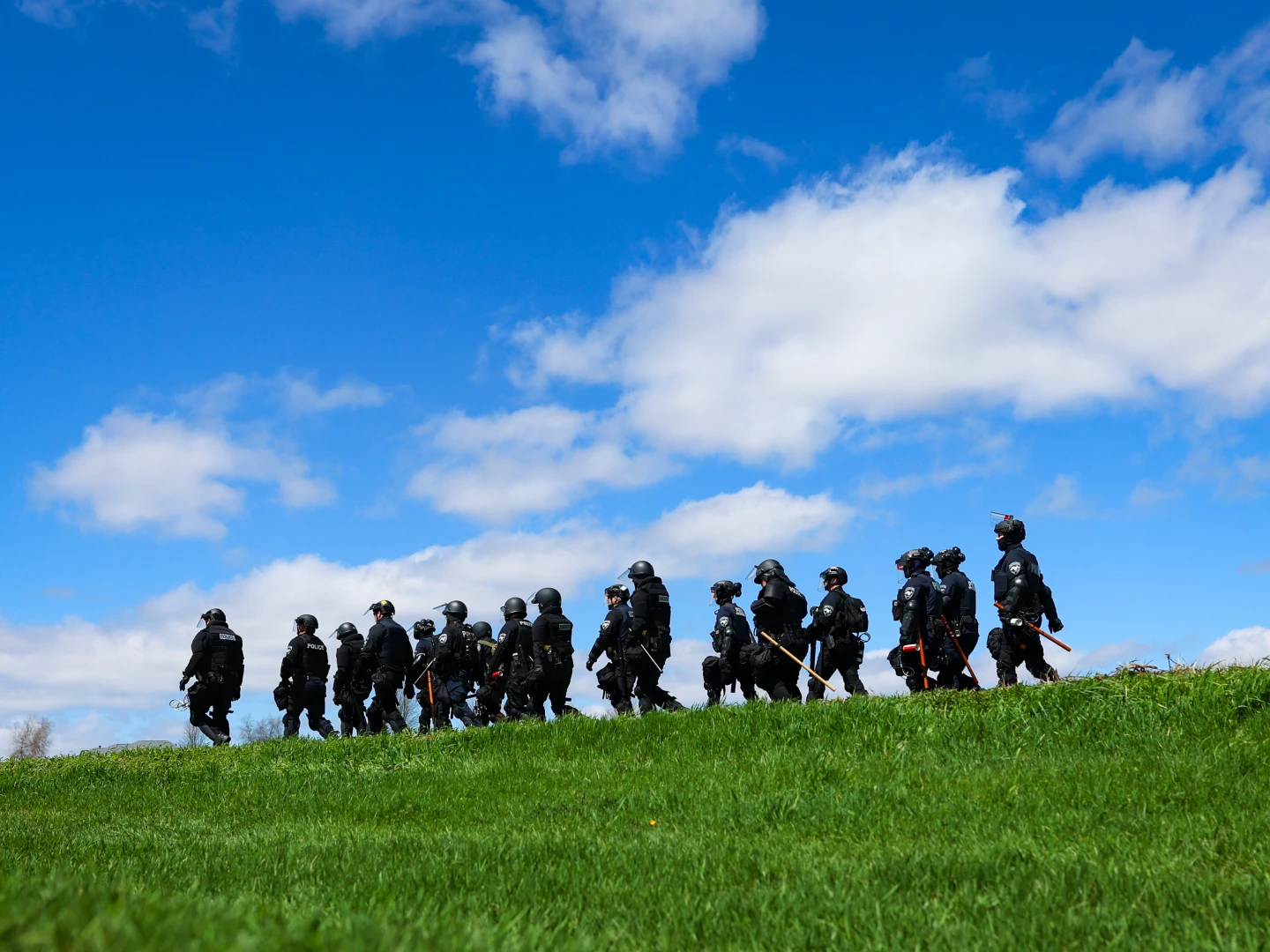
Agents operate with aggressive tactics, reportedly detaining individuals without warrants and using tear gas during confrontations with protesters.
Organized Resistance
In response, advocacy groups and volunteers have mobilized quickly to address the pressing fears of immigrants. Food deliveries, safe transport to work, and support outside schools have become commonplace.
Community networks utilizing encrypted messaging apps coordinate real-time tracking of ICE movements, dispatching alerts to residents. This rapid response includes forming caravans to protest against immigration agents’ activities, ensuring that families remain informed and protected.
Confrontations in the Streets
Though the atmosphere can be confrontational, with protests escalating into clashes at times, community members report varying strategies based on their comfort levels, leading some volunteers, like “Sunshine,” to adopt a cautious approach.
“We need to look out for our neighbors, but we must also ensure our own safety,” she shared while on patrol.
A Divided Strategy
The community’s reaction reflects differing philosophies on activism, with some advocating for confrontation and others prefering quieter, less provocative tactics to ensure safety.
In a varied landscape of support, reactions to federal enforcement continue to inform residents' tactics, revealing a deeply interconnected community rooting for its members amidst fear and uncertainty.