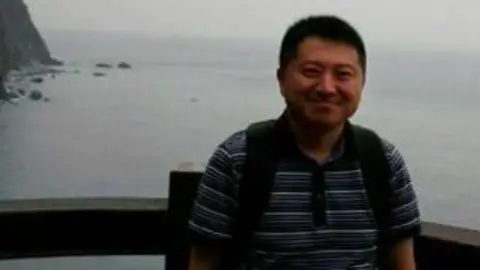
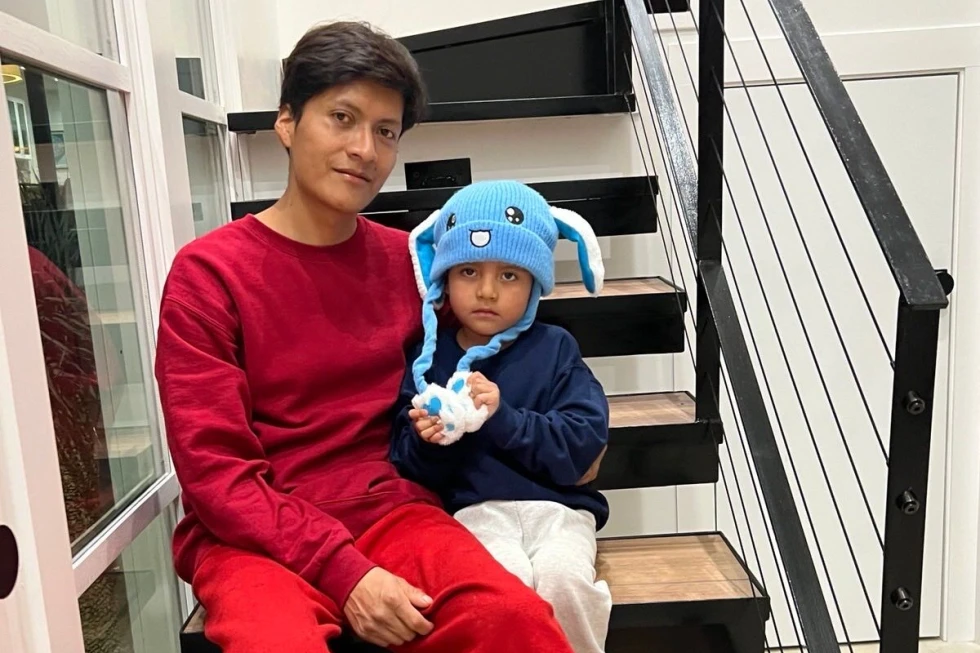
Guan Heng, a Chinese national known for exposing systemic human rights violations in his home country, has been released from federal detention after being granted asylum by a U.S. immigration judge. The decision, which follows months of uncertainty and fears of persecution if returned to China, marks a significant moment for Guan and a rare success in the landscape of asylum claims under the Trump administration. Released on Tuesday, Guan reunited with his mother, Luo Yun, who had flown in from Taiwan to support him during his ordeal.
'I'm in a great mood,' Guan said, revealing that he felt almost dazed immediately after his release. Now temporarily residing in Binghamton, New York, he stated that he has yet to consider his long-term plans.
Luo expressed relief after months of sleepless nights, stating that she finally feels assured after witnessing her son’s return to freedom. At one point during his detention, Guan faced potential deportation to Uganda, but mounting public concern and intervention raised awareness about his situation.
Representative Ro Khanna, a Democrat, underscored the importance of Guan's case, asserting that the rule of law demands protection for human rights advocates. He remarked that Guan's release underscores a moral duty to safeguard whistleblowers against retribution from oppressive regimes.
Guan's journey to asylum began when he filmed detention facilities in Xinjiang, China, capturing evidence of what many activists deem widespread abuses against Uyghurs and other Muslim minorities. Following the release of his footage on platforms like YouTube, Guan undertook a perilous escape from China, initially traveling through Hong Kong and Ecuador before eventually reaching the U.S. by boat. During his asylum hearing, he expressed his dedication to highlighting the plight of the persecuted Uyghurs, asserting that he had no intentions of seeking asylum during his documentation efforts—his primary goal was to ensure that the world witnessed the reality within those facilities.
Though the U.S. State Department chose not to comment on Guan's specific situation, it condemned the Chinese government's actions in Xinjiang, labeling them as genocidal and against humanity. Guan's fate remains uncertain as further developments may arise from the Department of Homeland Security's ongoing review of his case.
'I'm in a great mood,' Guan said, revealing that he felt almost dazed immediately after his release. Now temporarily residing in Binghamton, New York, he stated that he has yet to consider his long-term plans.
Luo expressed relief after months of sleepless nights, stating that she finally feels assured after witnessing her son’s return to freedom. At one point during his detention, Guan faced potential deportation to Uganda, but mounting public concern and intervention raised awareness about his situation.
Representative Ro Khanna, a Democrat, underscored the importance of Guan's case, asserting that the rule of law demands protection for human rights advocates. He remarked that Guan's release underscores a moral duty to safeguard whistleblowers against retribution from oppressive regimes.
Guan's journey to asylum began when he filmed detention facilities in Xinjiang, China, capturing evidence of what many activists deem widespread abuses against Uyghurs and other Muslim minorities. Following the release of his footage on platforms like YouTube, Guan undertook a perilous escape from China, initially traveling through Hong Kong and Ecuador before eventually reaching the U.S. by boat. During his asylum hearing, he expressed his dedication to highlighting the plight of the persecuted Uyghurs, asserting that he had no intentions of seeking asylum during his documentation efforts—his primary goal was to ensure that the world witnessed the reality within those facilities.
Though the U.S. State Department chose not to comment on Guan's specific situation, it condemned the Chinese government's actions in Xinjiang, labeling them as genocidal and against humanity. Guan's fate remains uncertain as further developments may arise from the Department of Homeland Security's ongoing review of his case.