In brief
The Bondi community is in shock after facing two horrific events in less than two years: a mass stabbing in April 2024 and a recent deadly shooting during a Hanukkah event. Residents express disbelief and emotional turmoil as they deal with the lasting impact of these tragic occurrences.
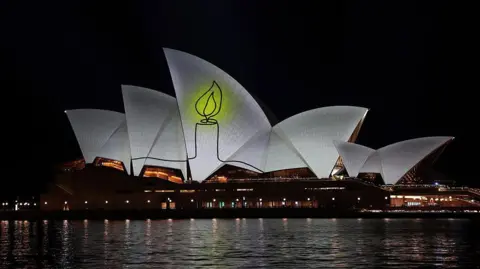
As helicopters circled overhead, sirens descended on her suburb, and people ran screaming down her street on December 14, Mary felt a grim sense of déjà vu. That was when I knew there was something seriously wrong – again, she recalls, her eyes brimming with tears.Mary, who did not want to provide her real name, was at the Westfield Bondi Junction shopping centre in April 2024 when six people were stabbed to death by a man in psychosis, a tragedy still fresh in the minds of many.Findings from a coroner's inquest into that incident were due to be released this week, but they were postponed after gunmen unleashed a hail of bullets during a Hanukkah event eight days ago, killing 15 people, including a 10-year-old girl.Declared a terror attack by police, the recent violence compounded the shock of the prior stabbing incident, which has prompted residents to question their safety in a place once regarded as a sanctuary.The sentiment following the shooting was evident, with a sea of flowers quickly growing at memorials set up throughout Bondi. Many residents, including local officials, expressed disbelief that such violence could recur within their close-knit community.Major community figures, such as Bondi's Mayor Will Nemesh, acknowledged the impact of these events, noting that many locals have direct connections to those affected by the tragedies. This shared grief further deepens the sense of loss, particularly within the local Jewish community, who have found solace and safety in Bondi over the decades.In the wake of these tragedies, there is widespread anger and fear. Calls for better mental health provisions and an acknowledgment of rising antisemitism precede the attacks, indicating deeper societal issues that have been ignored for too long.As memorials spring up and support flows in, a resolve to heal and unite against hate has begun to form, reflecting a community desperate to reclaim their safety and dignity after experiencing unimaginable horror.}