Berlin Pride attack suspect ABDEL Ballout was shot and killed during a police operation in the western borough of Spandau.
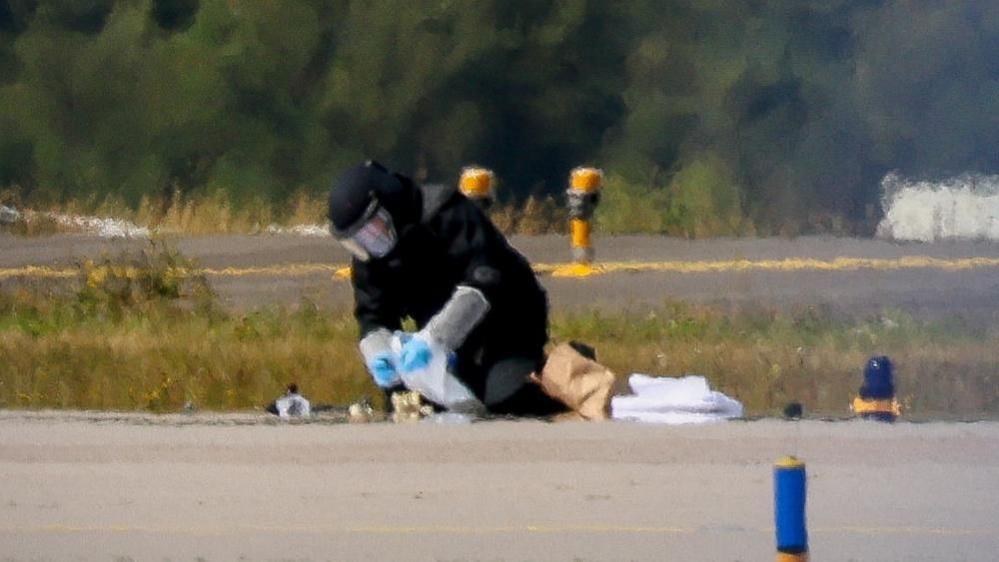
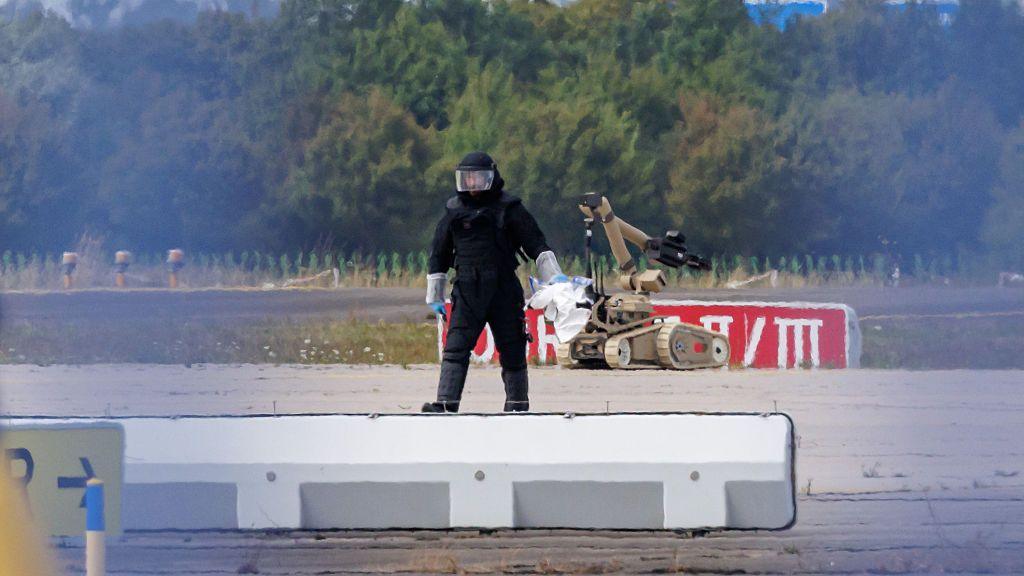
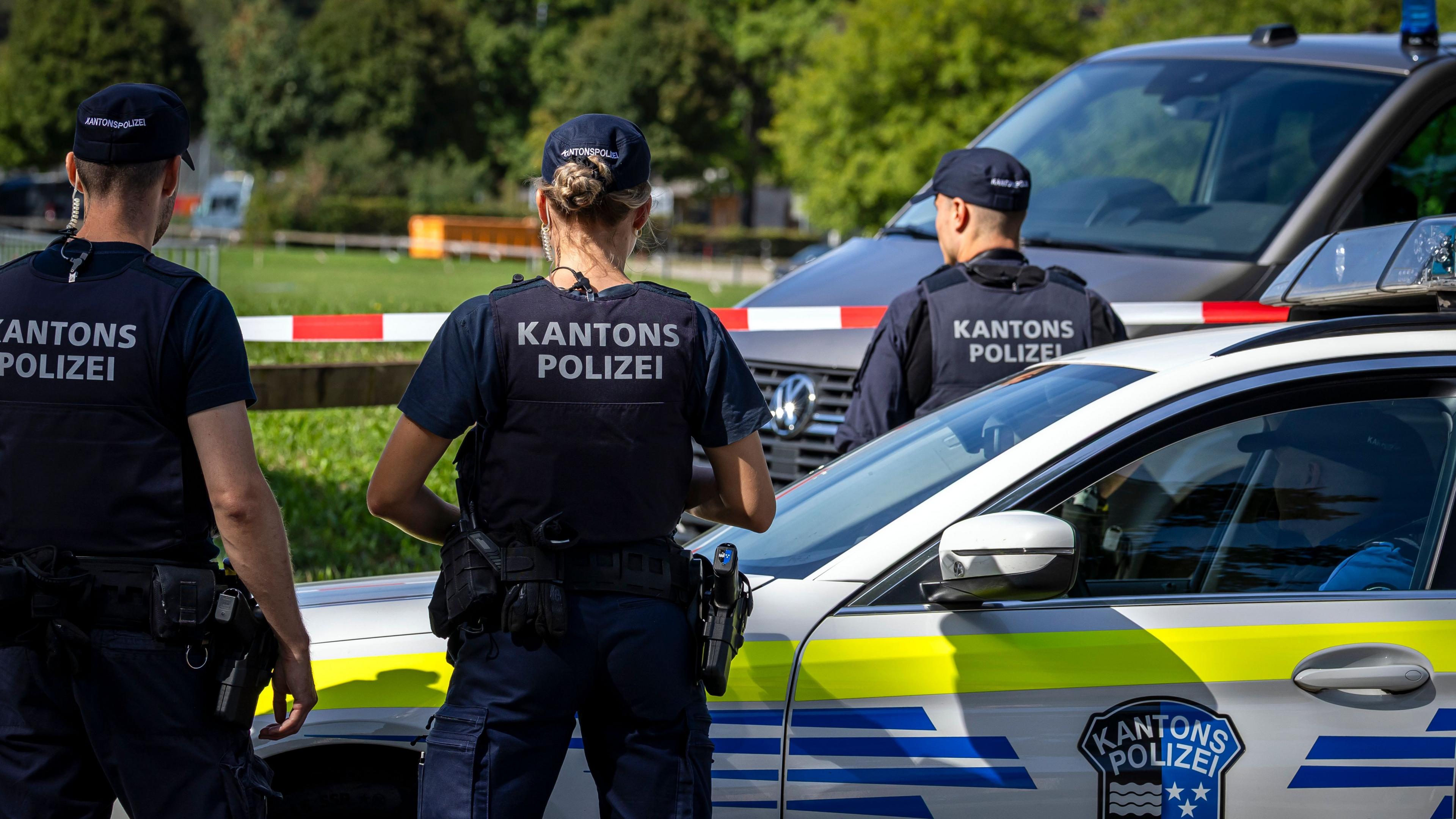
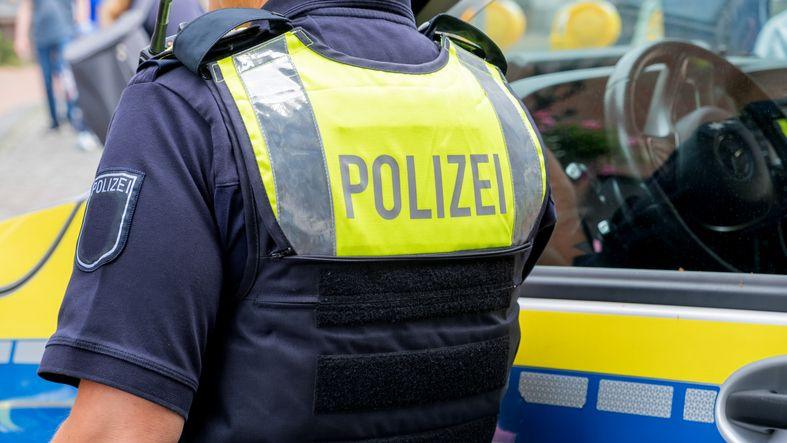
A white van slammed into a crowd of people near Tiergarten park late Saturday night, spilling a woman to death and wounding at least 29 others. Police immediately began a manhunt, fearing a terrorist attack. Security forces moved to the scene in Spandau late Sunday after the suspect was heard shouting and rushing at officers with a knife.
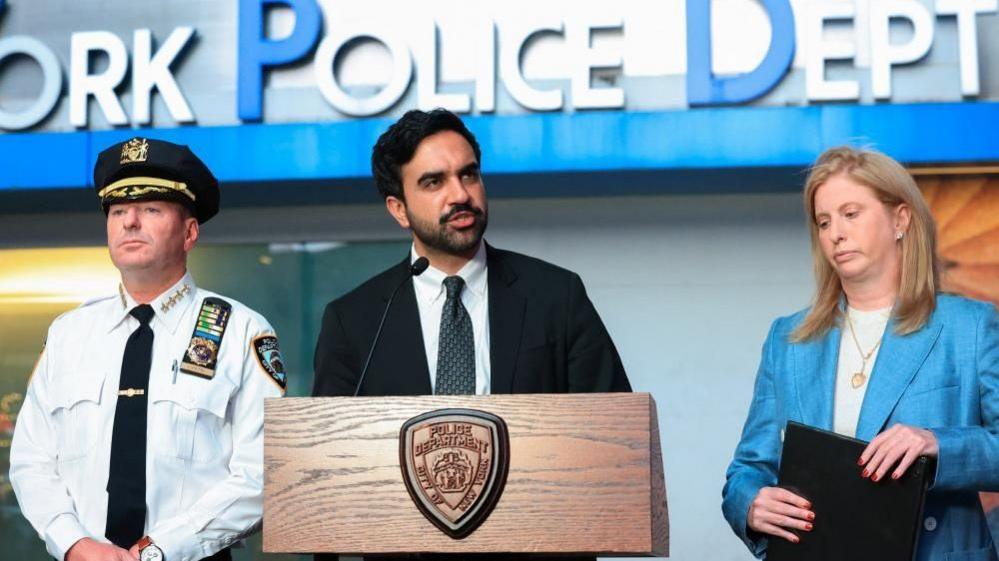
Interior Minister Alexander Dobrindt confirmed the attack was “likely an Islamist terror attack.” In a briefing he said the suspect “had previously attracted attention with a high volume of criminal offences, radicalisation and affiliation with the Islamist scene.”
Ballout’s criminal record includes a 2025 arrest in Lebanon for incitement to religious and sectarian conflict, and a 2026 conviction for “preparing a serious act of violence endangering the state.” The case culminated in a 2026 sentence of 1 year and 10 months, deferred for six months with parole supervision. His earlier convictions dealt with assault, robbery and an alleged theft of headphones.
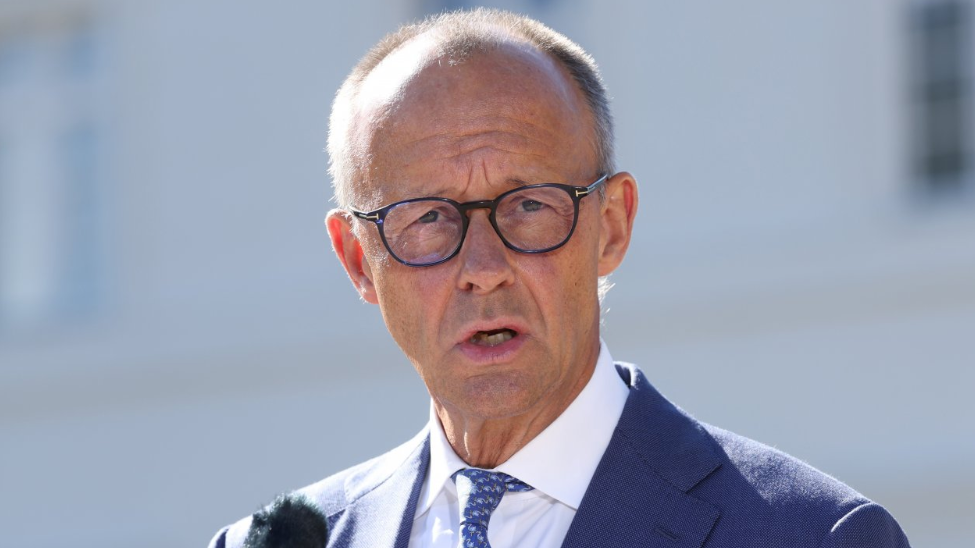
After the operation, German authorities raised the country’s threat level, warning other states to review security measures for major events. Chancellor Friedrich Merz visited the Tiergarten park site and later held a church service to pay tribute to victims, pledging that German society will not allow the “poison of terrorism” to thrive.
The attack interrupted a once‑joyous celebration of Christopher Street Day, disrupting planned clean‑up events and a morning market. Members of the LGBT community returned to the Brandenburg Gate for a vigil, condemning extremism and calling for political support. Drag artist Armin Duenhoelter, who was backstage when the attack occurred, said he would return next year’s Pride and that “we won’t let it beat us down.”