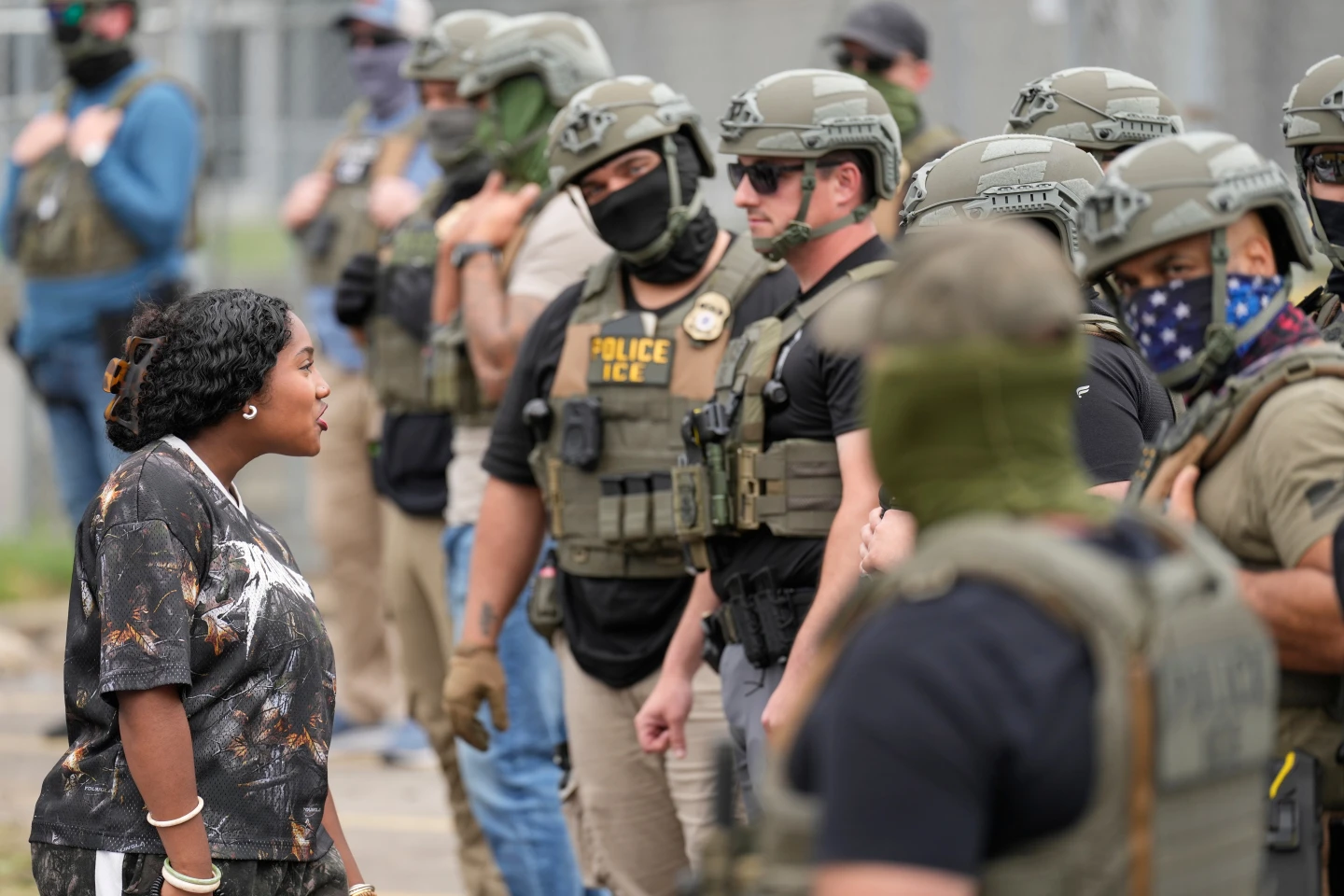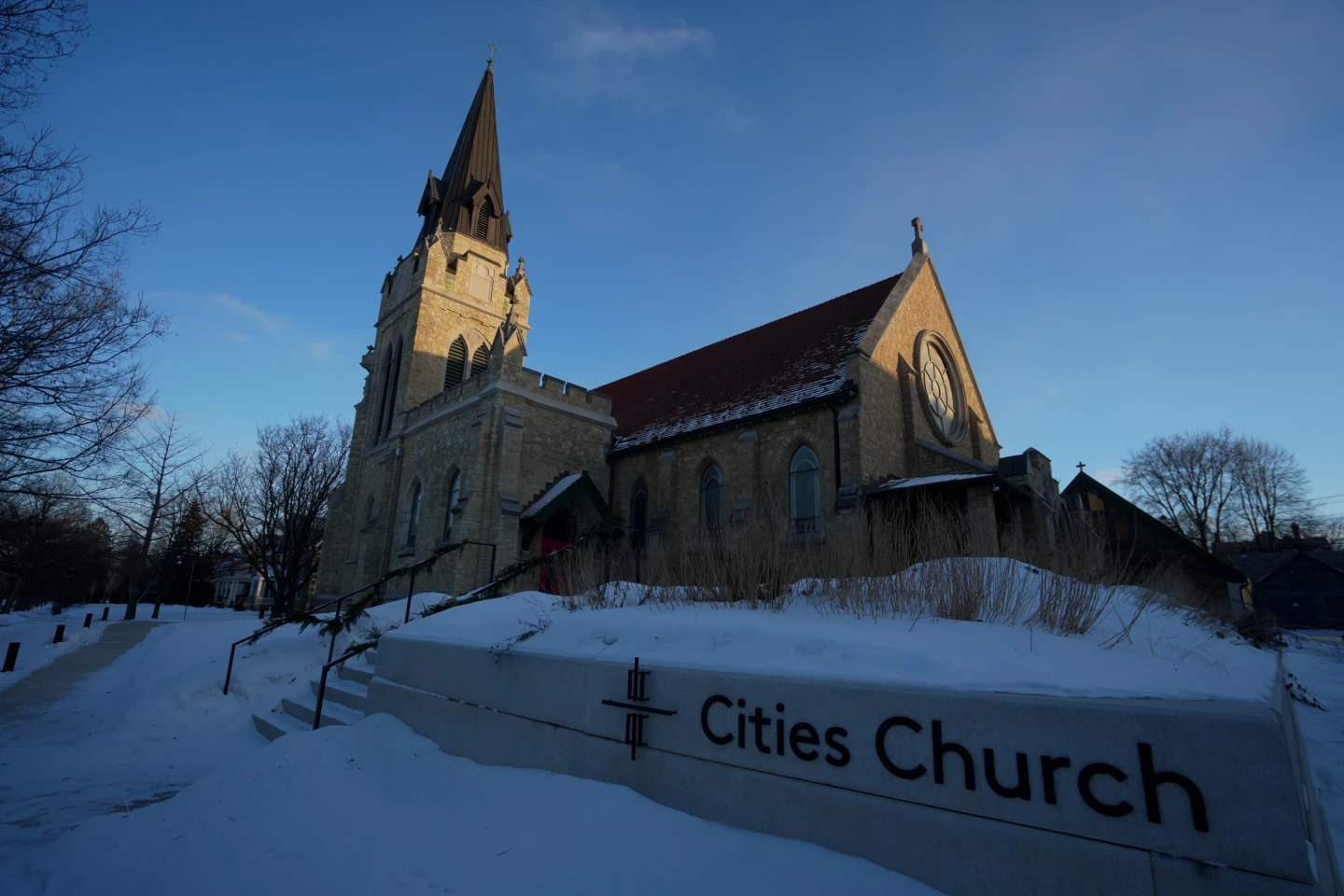
MINNEAPOLIS (AP) — Nekima Levy Armstrong, the woman who led an anti-immigration enforcement protest that disrupted a service at a Minnesota church, has been arrested, announced Attorney General Pam Bondi on Thursday. The arrest occurred days after the protestors entered the Cities Church in St. Paul during a Sunday service. A local official with the U.S. Immigration and Customs Enforcement (ICE), who serves as a pastor at the church, was the focus of the protest.
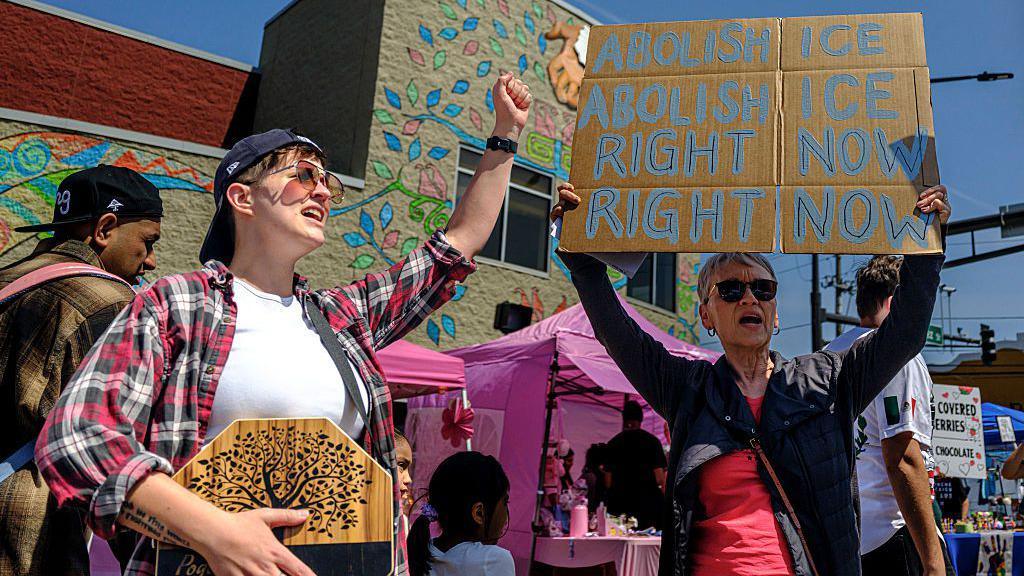
The Justice Department has since initiated a civil rights investigation due to the incident, which saw protestors chanting 'ICE out' and 'Justice for Renee Good,' referencing a mother of three who was fatally shot by an ICE officer in Minneapolis earlier this month. Attorney General Bondi asserted, 'Listen loud and clear: WE DO NOT TOLERATE ATTACKS ON PLACES OF WORSHIP.'
Armstrong, a notable civil rights attorney, called for the pastor's resignation, highlighting a 'fundamental moral conflict' in their dual role. She stated, 'You cannot lead a congregation while directing an agency whose actions have cost lives and inflicted fear in our communities.'
In response to the protests, prominent leaders of the Southern Baptist Convention defended the church, arguing that while compassion for marginalized families is necessary, it cannot justify disrupting sacred spaces during worship.
The Justice Department has since initiated a civil rights investigation due to the incident, which saw protestors chanting 'ICE out' and 'Justice for Renee Good,' referencing a mother of three who was fatally shot by an ICE officer in Minneapolis earlier this month. Attorney General Bondi asserted, 'Listen loud and clear: WE DO NOT TOLERATE ATTACKS ON PLACES OF WORSHIP.'
Armstrong, a notable civil rights attorney, called for the pastor's resignation, highlighting a 'fundamental moral conflict' in their dual role. She stated, 'You cannot lead a congregation while directing an agency whose actions have cost lives and inflicted fear in our communities.'
In response to the protests, prominent leaders of the Southern Baptist Convention defended the church, arguing that while compassion for marginalized families is necessary, it cannot justify disrupting sacred spaces during worship.