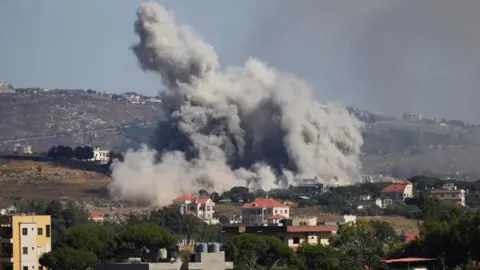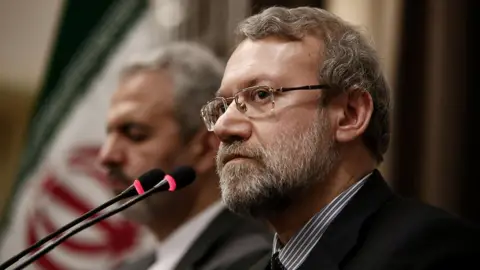
The Israeli air strike which killed Iran's security chief, Ali Larijani, has removed one of the Islamic Republic's most experienced and influential policymakers at a critical moment.
Although Larijani was not a military commander, he was a central figure in shaping Iran's strategic decisions. As secretary of the Supreme National Security Council, he was deeply involved in the decision-making processes concerning war, diplomacy, and national security.
His voice carried significant weight across the political landscape, particularly in managing Iran's confrontations with the United States and Israel. Following the recent death of Supreme Leader Ali Khamenei, Larijani had indicated a readiness for prolonged conflict, suggesting Iran should prepare for an expansive military engagement.
Larijani's death, confirmed by state media, is part of a broader pattern of deadly strikes targeting senior Iranian officials during wartime. This pattern suggests a definitive effort aimed at destabilizing Iran’s leadership.
Despite Larijani's hardline stance against the West, he was seen as a pragmatist and played vital roles in diplomacy, including acting as an envoy for Iran’s long-term cooperation agreement with China.
At the time of his assassination, he was managing three major crises: the ongoing war, domestic unrest which had escalated into widespread protests, and negotiations regarding Iran's nuclear program, all of which remain critical yet unresolved challenges.
The vacuum left by Larijani's removal may heighten tensions within the leadership and increase volatility in Iran's military posture as well as internal repression. As the Iranian leadership struggles with succession and stability, the impact of Larijani's death extends beyond that of a single official; it exacerbates an ongoing crisis that could significantly shape the future of the Iranian state.