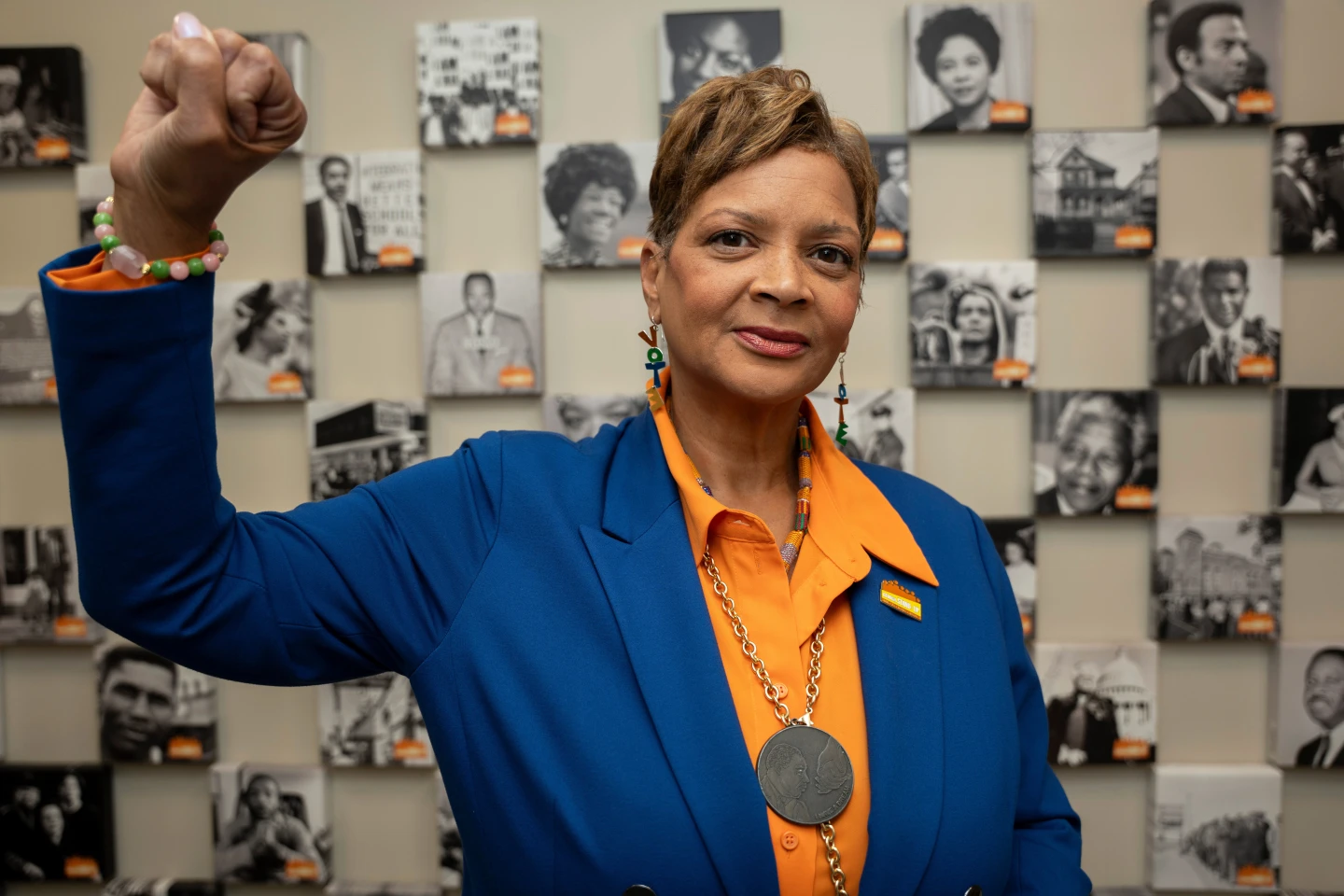
MONTGOMERY, Ala. — On December 5, 1955, 12-year-old Doris Crenshaw and her sister spread flyers urging their Montgomery neighborhood to boycott local buses after Rosa Parks was arrested for defying racial segregation.
“Don’t ride the bus to work, to town, to school or any place on Monday,” the flyers stated, calling attention to the escalating civil rights abuses that galvanize community action.
For 381 days, around 40,000 Black residents in Montgomery refused to use city buses, carving a path for nonviolent protest against systemic racism, which eventually led to the dismantling of bus segregation laws.
Reflecting on the moment, Crenshaw, now 82, recounted the palpable urgency among citizens to fight against unfair treatment. Many will gather in Montgomery this Friday to commemorate the boycott’s 70th anniversary, celebrating its legacy that inspired future generations of civil rights activism.
“The Montgomery Bus Boycott set the tone for the modern Civil Rights Movement,” noted NAACP President Derrick Johnson. It showcased the power of collective economic action to spur social change, a sentiment that resonates with contemporary activists.
Younger generations are now channeling this spirit into today’s socioeconomic challenges, leading consumer boycotts against corporations perceived to undermine diversity initiatives. Activist Madison Pugh, only 13, and others like her are already making their voices heard by choosing where and how to spend their money.
As reminisces of the bus boycott echo through the past and into the present, leaders emphasize that the fight for equality and justice continues, demanding unity and persistent action to ensure that collective progress remains uncompromised.