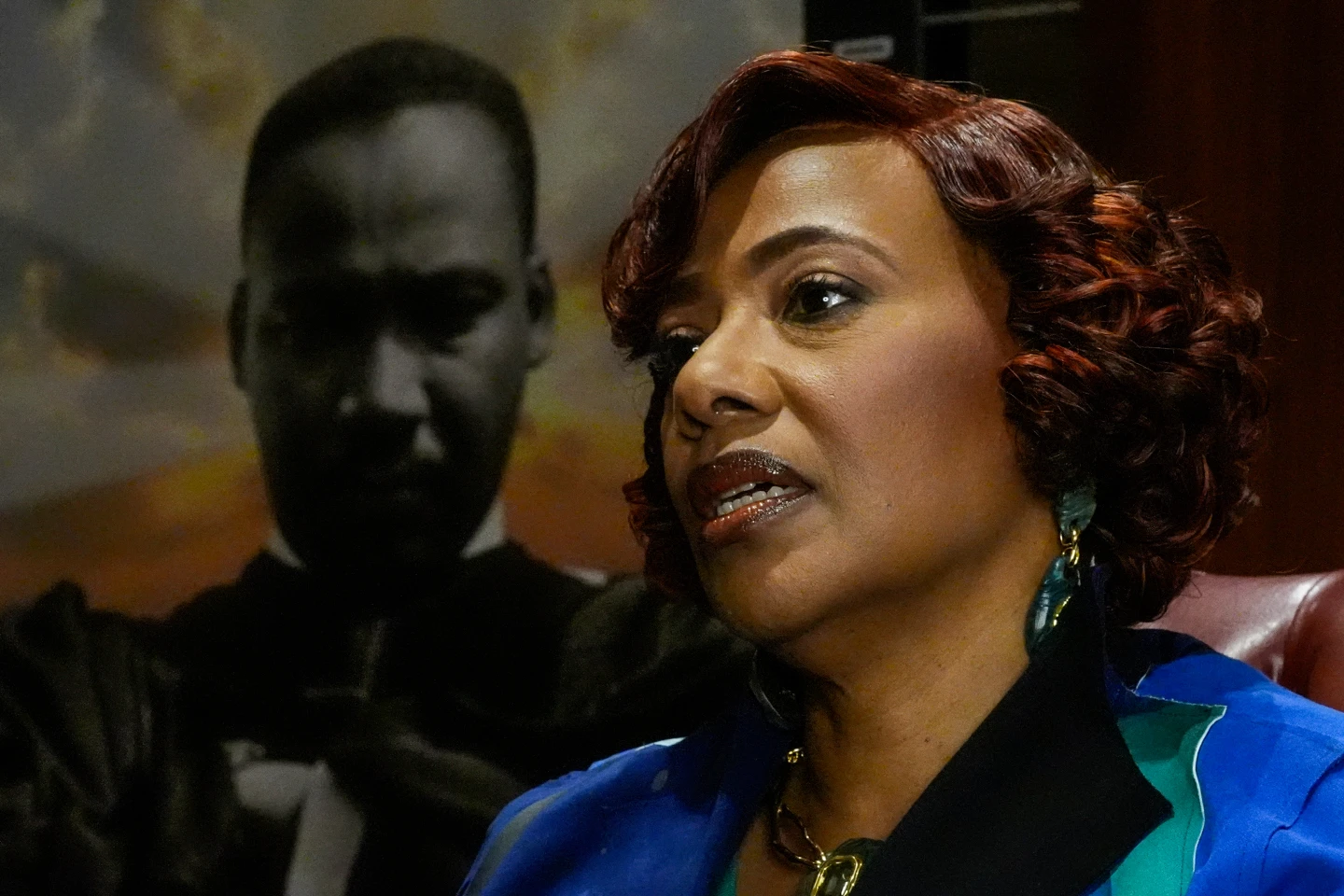
ATLANTA (RTWNews) — This Martin Luther King Jr. holiday arrives amid significant political division, but Rev. Bernice King sees it as a beacon of hope and morality.
“The holiday offers a chance to reaffirm hope and challenge injustice,” Bernice King said in a recent interview. “Dr. King’s legacy reminds us that even in troubled times, we have the power to make a difference.”
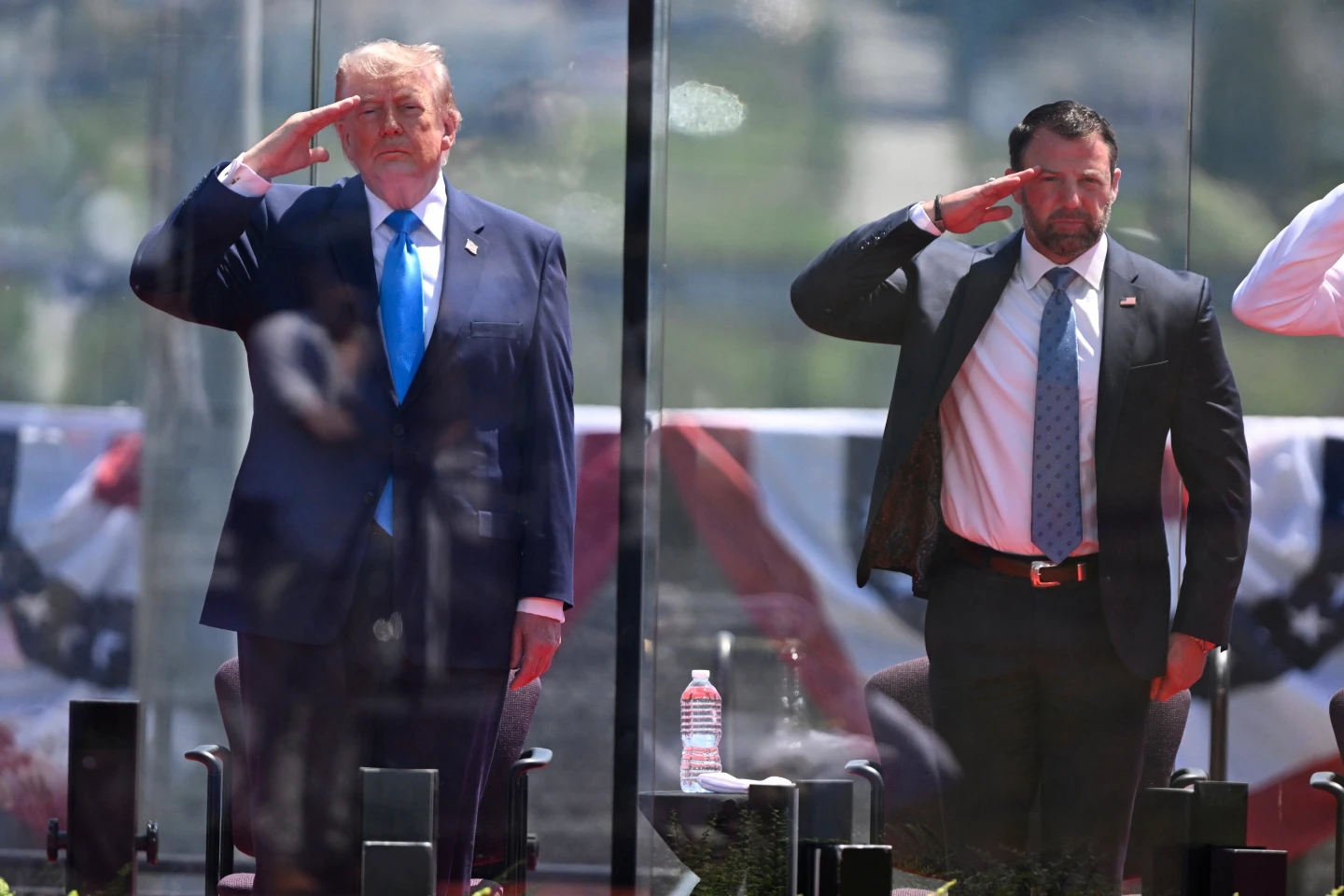
This year's celebration comes on the cusp of the one-year anniversary of President Donald Trump's second term, a period that King identifies with the resurgence of systemic issues her father spoke against, including poverty, racism, and militarism.
As CEO of the King Center in Atlanta, Bernice raised concerns over current trends undermining civil rights, including the rollback of diversity and equity initiatives and the erasure of important historical narratives.
“There's a systematic effort to dismantle what progress we’ve made in civil rights,” claimed Maya Wiley, the president of the Leadership Conference on Civil and Human Rights, emphasizing that this is a critical moment for activism.
Wiley echoed King’s concerns about the global implications of current U.S. policies, citing military actions that distract from addressing domestic inequality.
“It is a different world today, almost six decades after my father’s assassination,” Bernice King reflected, noting that while she cannot predict his reaction to today’s society, his teachings on justice and nonviolence remain timeless.
She highlighted the importance of nonviolence for everyone, including law enforcement, suggesting the need for a renewed commitment to these principles. The King Center is working on a curriculum to reinforce humane practices in law enforcement.
Despite the current challenges, King believes in measurable progress, recognizing contributions from those inspired by the civil rights movement. “We are too deep in our diversity to turn back,” she asserted, emphasizing that meaningful progress continues to be made.
To honor her father's legacy, King encourages introspection and personal service initiatives, urging everyone to consider how they can contribute to a more equitable society: “We need to look at what we can do for a more just and humane future,” she advised.
Bernice King concluded the conversation by encouraging participation in community service as a meaningful tribute to her father's enduring influence, advocating for ongoing commitment to his vision of equality and peace.