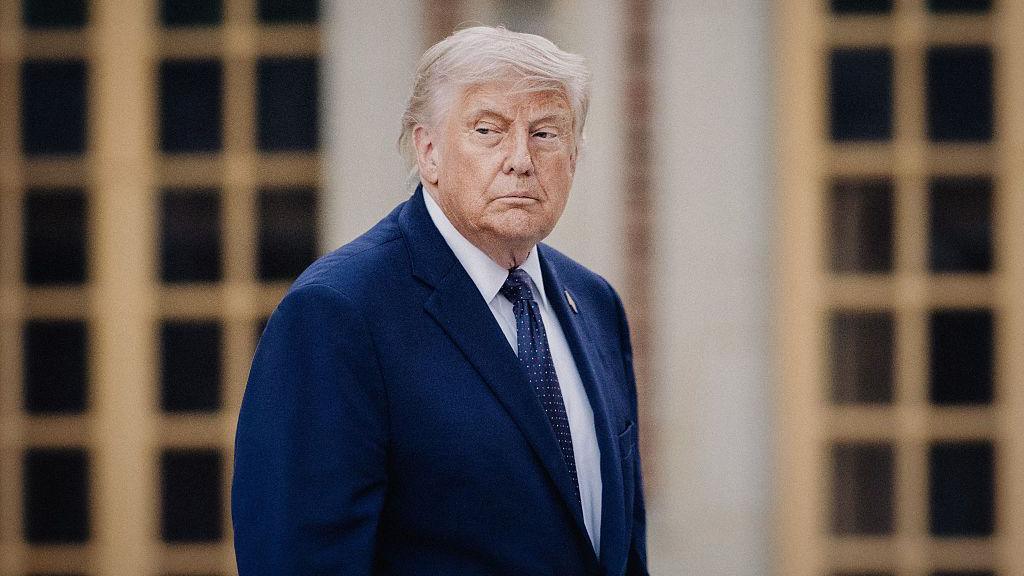
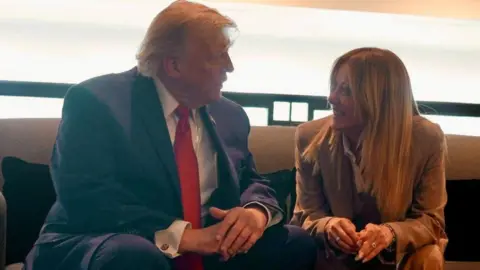
In the lead-up to the intense 2024 presidential election, Donald Trump finds himself in hot water over racist remarks made during a recent rally at Madison Square Garden in New York City. Prominent among the comments was a comedian’s derogatory reference to Puerto Rico, which was described as “a floating island of garbage.” This sparked outrage from various circles, forcing Trump and his allies to carefully navigate the ensuing backlash.
In an unusual move for Trump, a high-ranking adviser from his campaign publicly disavowed the comedian's remark. This reaction marked a departure from Trump’s typical response style, which usually involves denying any wrongdoing or ignoring controversies outright. Notably, Trump chose not to address other inflammatory comments directed at minority groups, including Black people and Latinos, which many see as a broader pattern of divisive rhetoric.
Amid this controversy, Vice President Kamala Harris wasted no time seizing the opportunity to criticize Trump during media engagements. She stated that Trump is "fanning the fuel of hate and division," expressing concern over how his rhetoric is exhausting the American public. This sentiment resonates with many Democrats who believe recent events are shifting favor in their direction.
As the election nears with only a week remaining, speculation is rife about the implications of Trump's shifting campaign rhetoric. Trump is reportedly on the offensive about potential fraud following election day, which has raised alarms within Democratic circles. Additionally, there’s increasing scrutiny on the significant financial backing Trump’s opponent is receiving, including a large donation from former New York City Mayor Michael Bloomberg aimed at supporting Harris’s campaign efforts.
With a rapidly changing electoral landscape and accusations of racism resonating among voters, Trump’s comments and their reception may prove critical as the election day closes in. As both parties strategize in an effort to assert dominance, the ramifications of these controversies will be closely monitored by analysts and voters alike.
In an unusual move for Trump, a high-ranking adviser from his campaign publicly disavowed the comedian's remark. This reaction marked a departure from Trump’s typical response style, which usually involves denying any wrongdoing or ignoring controversies outright. Notably, Trump chose not to address other inflammatory comments directed at minority groups, including Black people and Latinos, which many see as a broader pattern of divisive rhetoric.
Amid this controversy, Vice President Kamala Harris wasted no time seizing the opportunity to criticize Trump during media engagements. She stated that Trump is "fanning the fuel of hate and division," expressing concern over how his rhetoric is exhausting the American public. This sentiment resonates with many Democrats who believe recent events are shifting favor in their direction.
As the election nears with only a week remaining, speculation is rife about the implications of Trump's shifting campaign rhetoric. Trump is reportedly on the offensive about potential fraud following election day, which has raised alarms within Democratic circles. Additionally, there’s increasing scrutiny on the significant financial backing Trump’s opponent is receiving, including a large donation from former New York City Mayor Michael Bloomberg aimed at supporting Harris’s campaign efforts.
With a rapidly changing electoral landscape and accusations of racism resonating among voters, Trump’s comments and their reception may prove critical as the election day closes in. As both parties strategize in an effort to assert dominance, the ramifications of these controversies will be closely monitored by analysts and voters alike.