25 US States File Lawsuit to Block Trump Tariffs
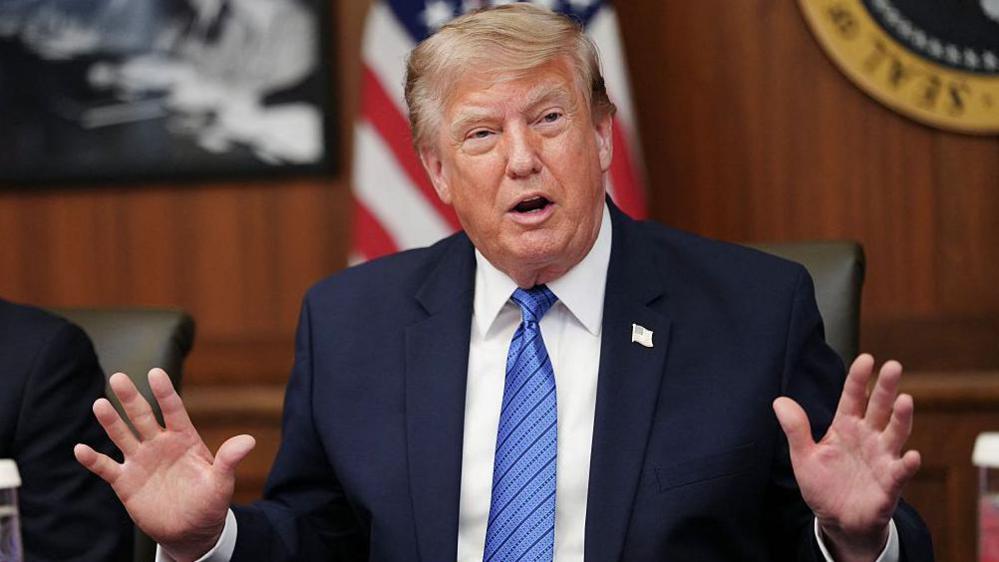
Twenty‑five states filed a lawsuit Monday against the administration of President Donald Trump, challenging new tariffs that range from 10% to 12.5% on goods from 60 trading partners.
The tariffs, implemented in July, target countries including the United Kingdom, China and the European Union, with the Trump team citing failed efforts to address forced‑labour claims in those regions.
In the legal filing, the coalition of Democratic states described the decision as "arbitrary, capricious, and contrary to law," arguing that the broad duties undermine the statutory purpose of Section 301 of the 1974 Trade Act, which mandates action only against nations that use forced labour.
White House spokesman Kush Desai defended the tariffs, stating that the U.S. uses its lawful authority to address practices that burden American businesses and that failing countries must be forced to resolve forced‑labour issues.
The lawsuit also highlights that the new duties cover 99.4% of U.S. imports, underscoring the widespread impact on domestic markets.
"President Trump's illegal tariffs are nothing more than a tax on hardworking families," said New York Governor Kathy Hochul, while Oregon Attorney General Dan Rayfield described them as bringing chaos to Oregon businesses and punishing Americans rather than foreign governments.
Several affected trading partners, such as Brazil and Japan, expressed disappointment, labeling the measures as "unjustified," and China’s foreign ministry called the tariffs an "excuse for political manipulation." Trump‑China trade tensions have been temporarily suspended.
Analysts have questioned how countries could demonstrate they have fully addressed forced‑labour allegations, suggesting the legal implications of the lawsuit will be significant.
The case marks the latest move in a series of trade actions introduced by Trump since taking office in January 2025. Trump’s prior wide‑ranging tariffs on global partners were struck down by the Supreme Court, which triggered billions of dollars in refunds to affected companies.
Trump’s current strategy includes a temporary 10% levy on all global imports that expired in July and may continue to evaluate further tariffs on 16 countries over manufacturing overcapacity claims.