The US Department of Defense has intensified scrutiny on Chinese technology companies, designating several, including gaming and social media titan Tencent and battery manufacturer CATL, as associated with the Chinese military. This listing acts as an advisory to American businesses, highlighting the potential risks of engaging with these firms. Inclusion on the list, however, does not equate to an outright ban but may lead to heightened pressures on the US Treasury Department to impose sanctions.
Both Tencent, known for the popular messaging platform WeChat, and CATL have firmly denied any military affiliations. In a statement, Tencent labeled its listing a "clear mistake," emphasizing that it is not a military entity or supplier. "Unlike sanctions or export controls, this listing has no impact on our business," the company communicated to Reuters. CATL echoed this sentiment, asserting that it does not participate in military activities.
Chinese officials criticized the US decision as "unreasonable suppression" of its companies, signaling a potential setback in US-China relations, which are already fraught with tension. The Pentagon's military company list, officially known as the Section 1260H list, has grown to include 134 firms, reflecting Washington's strategic approach to counter perceived Chinese military advancements facilitated by technological collaboration with domestic firms and institutions.
Amid these developments, lawmakers in the US have urged the Pentagon to consider these designations, especially as American corporations like Ford prepare to expand operations, such as its $2 billion investment in a battery plant in Michigan while licensing technology from CATL. Ford, however, has yet to provide comments regarding the recent listings.
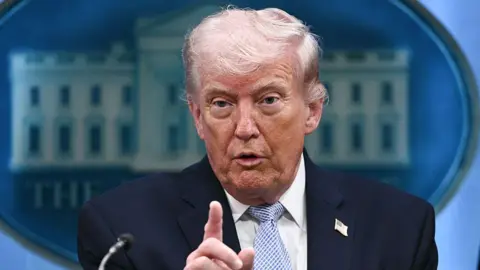
The timing of this announcement coincides with the return of President-elect Donald Trump, who is expected to revive a hardline stance against China's economic practices. Notably, the Pentagon has faced legal challenges from companies like DJI and Hesai Technologies related to their inclusion on this contentious list, underscoring the broader implications of geopolitical tensions affecting the business landscape between the US and China.