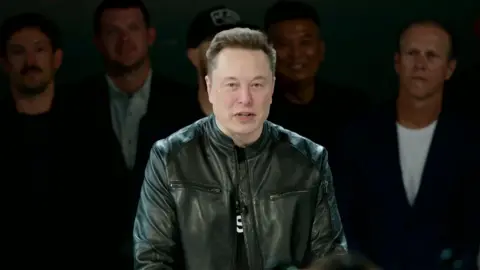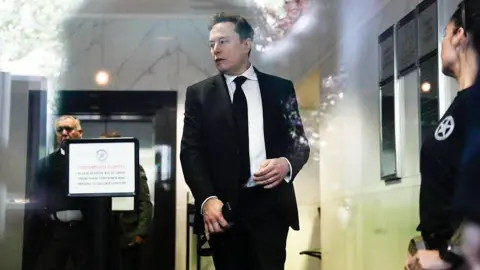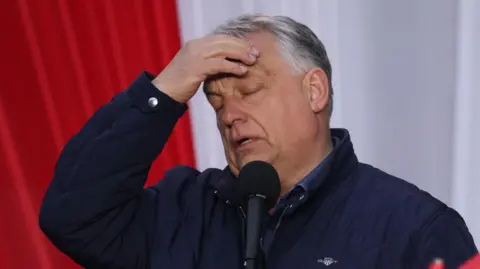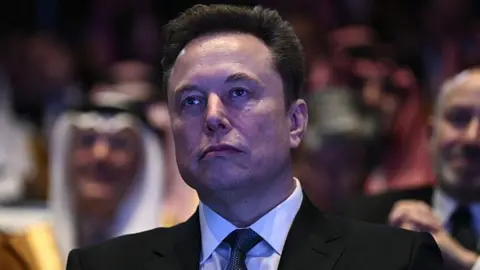
Elon Musk, the tech mogul known for his ventures with Tesla and X, found himself at the center of a political storm in Italy following his controversial remarks about the country's approach to migration. His statement calling for the dismissal of judges emerged against a backdrop of heightened tensions between Italy's ruling coalition and the judiciary, particularly concerning the legality of a government initiative aimed at detaining asylum-seekers in Albania.
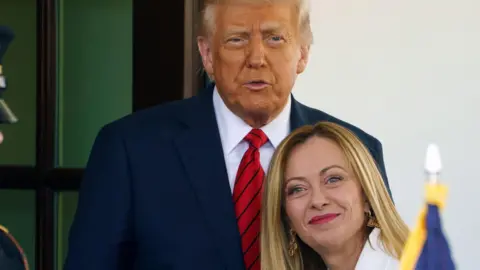
President Sergio Mattarella responded sharply to Musk's comments, urging him to respect Italy's sovereignty and refrain from meddling in its domestic affairs. "Italy is a great democratic country and... knows how to take care of itself," stated Mattarella, signaling that foreign influences should not dictate Italian policy. Musk's involvement has raised eyebrows, especially with his ties to Prime Minister Giorgia Meloni, who has long advocated for stringent measures against illegal migration.
Meloni's administration has faced significant challenges with its initiative to establish two processing centers in Albania, intended to manage the influx of migrants crossing the Mediterranean. Legal delays, human rights concerns, and the shifting landscape of EU immigration law have compounded the difficulties associated with this strategy. A Rome court recently ordered the transfer of seven asylum seekers back to Italy from one of these centers, further complicating Meloni's plans.
As tensions mount, Meloni has frequently targeted the judiciary, seeking to align public sentiment against what she perceives to be judicial overreach impeding her government's agenda. The conflict has escalated following a ruling by the European Court of Justice, which declared that countries cannot be labeled safe if any part poses danger, challenging Italy's strategy for rapid repatriation of migrants.
Musk's comments have stirred controversy, triggering discussions about freedom of speech and the balance between governmental authority and judicial independence, a sensitive issue in Italy, where previous leaders have faced legal challenges and often accused the judiciary of conducting politically motivated actions.
Both Musk and Meloni are navigating a complex political environment, with critics warning that any attempts to vilify the judiciary could have long-lasting repercussions on democratic structures. Meanwhile, as discussions about controlling illegal migration intensify across Europe, leaders like UK Prime Minister Keir Starmer have taken note of Meloni’s efforts, exploring similar strategies in their own countries.
Observers have raised concerns that the proposed Albanian processing centers, should they become operational, may address only a fraction of the broader systemic issues in migration management. Critics argue that instead of creating additional facilities, Italy should prioritize the improvement of its asylum system and more effective resource allocation to tackle this pressing issue. The debate surrounding immigration policy in Italy continues to heat up, with Musk’s remarks adding fuel to an already volatile fire.