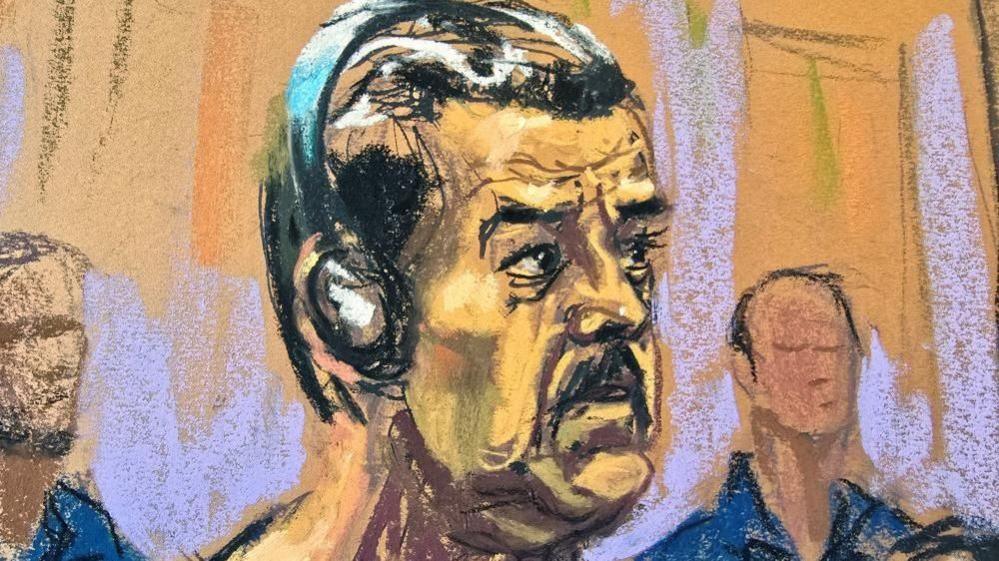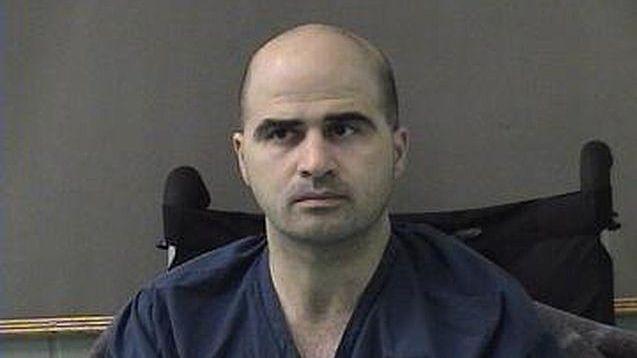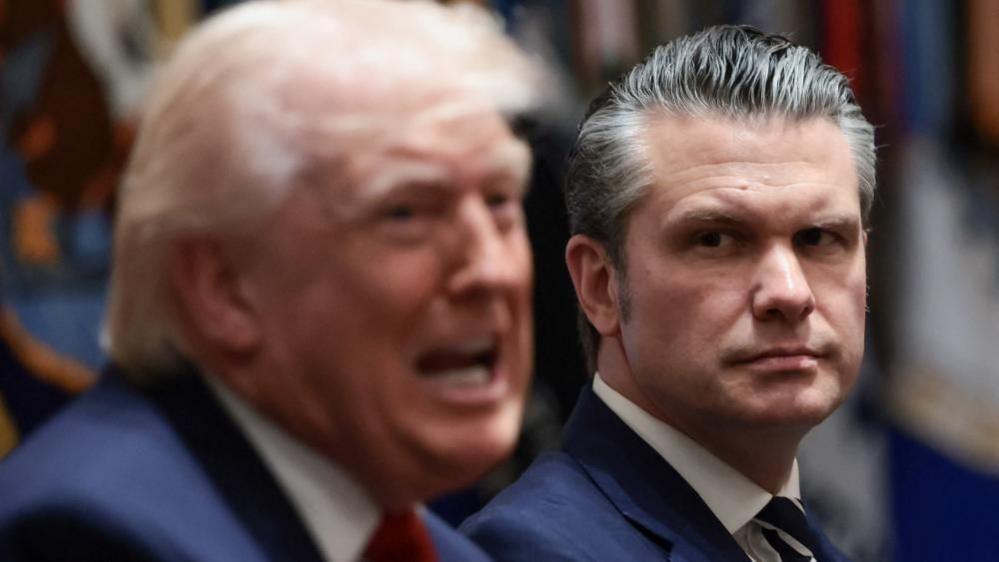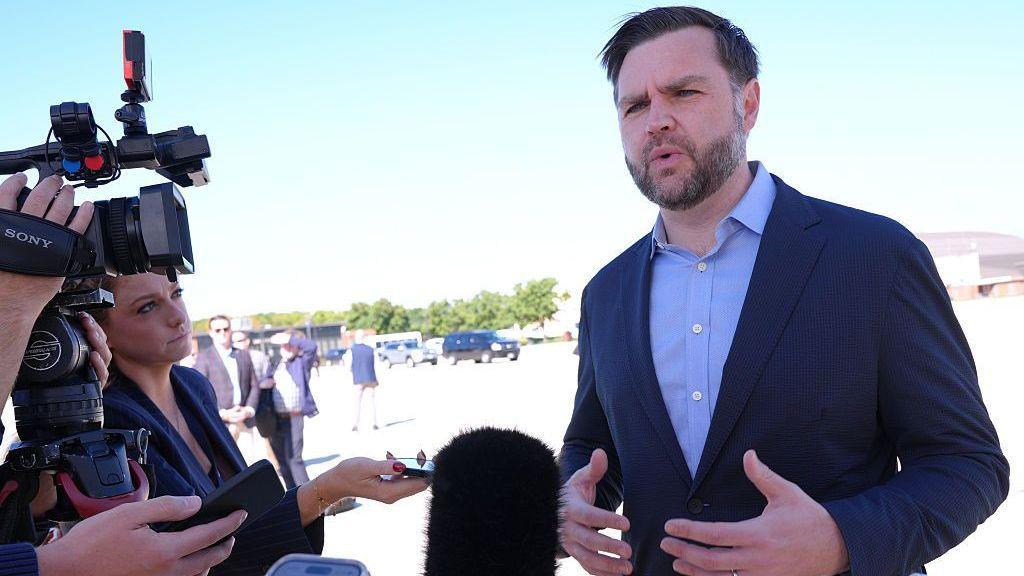
Vice‑President JD Vance turned a national headline off its track by casting uncertainty over the Pentagon’s announced plan to live‑stream the military execution of Nidal Hasan, the shooter who killed 13 soldiers at Fort Hood in 2009. When asked by reporters, he said: “I don’t know that that’s actually going to happen” and added that if the event were streamed, he “will not be watching it.”
Hours later, President Donald Trump stated that he had fully approved the livestream plan, although the Pentagon was still “making a determination.” The split positions spotlight the growing debate over whether a state‑sanctioned execution should be made public.
Hasan’s death by firing squad—scheduled for December 3—would be the first U.S. military execution in over six decades. The plan has drawn criticism from senators on both parties, clergy, and human‑rights organisations. Senator John Curtis warned that public spectacles of death erode civility, while Chris Murphy likened the idea to extremist propaganda. The Catholic Bishops’ Conference and the UN Human Rights Office condemned the livestream as a violation of the prohibition on torture.
Social‑media platforms have existing policies that forbid live broadcasts of capital punishment. Meta, YouTube, TikTok and X all prohibit or heavily restrict violent content when it could shock or disgust viewers. No platform gave a definitive answer on whether it would permit a government‑approved execution feed, even though the Pentagon has stated the event will go forward.
The controversy underscores America’s grappling with the death penalty, public transparency, and the limits of digital media. Whether the event ever transpires remains unsure, but the debate over a live broadcast will continue to test both legal precedent and public sentiment.