Venezuela’s twin earthquakes claimed the lives of more than 2,200 people, injuring thousands and leaving many more missing, while the same day a U.S. deportation flight carrying 141 Venezuelan migrants arrived in La Guaira, bringing tragedy and confusion to families awaiting news of their loved ones.
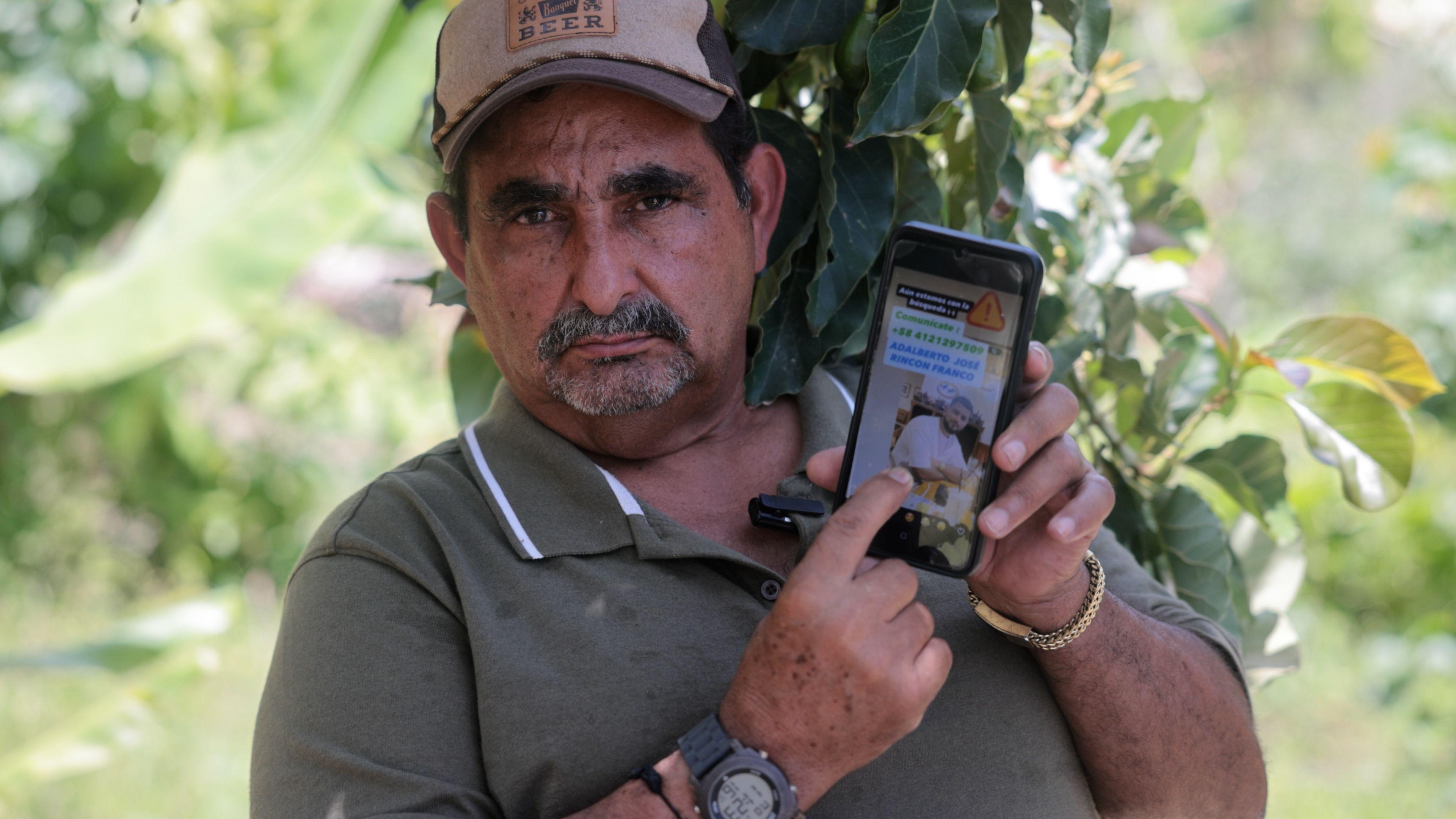
Abelardo Rincón was a 23‑year‑old who had lived in Georgia for six years, working at a car dealership, marrying and looking forward to the birth of a daughter. In the wake of President Donald Trump’s immigration crackdown, U.S. authorities detained him and placed him on a deportation flight. He landed in Venezuela on 24 June and remained in custody while his family in Atlanta waited for word.
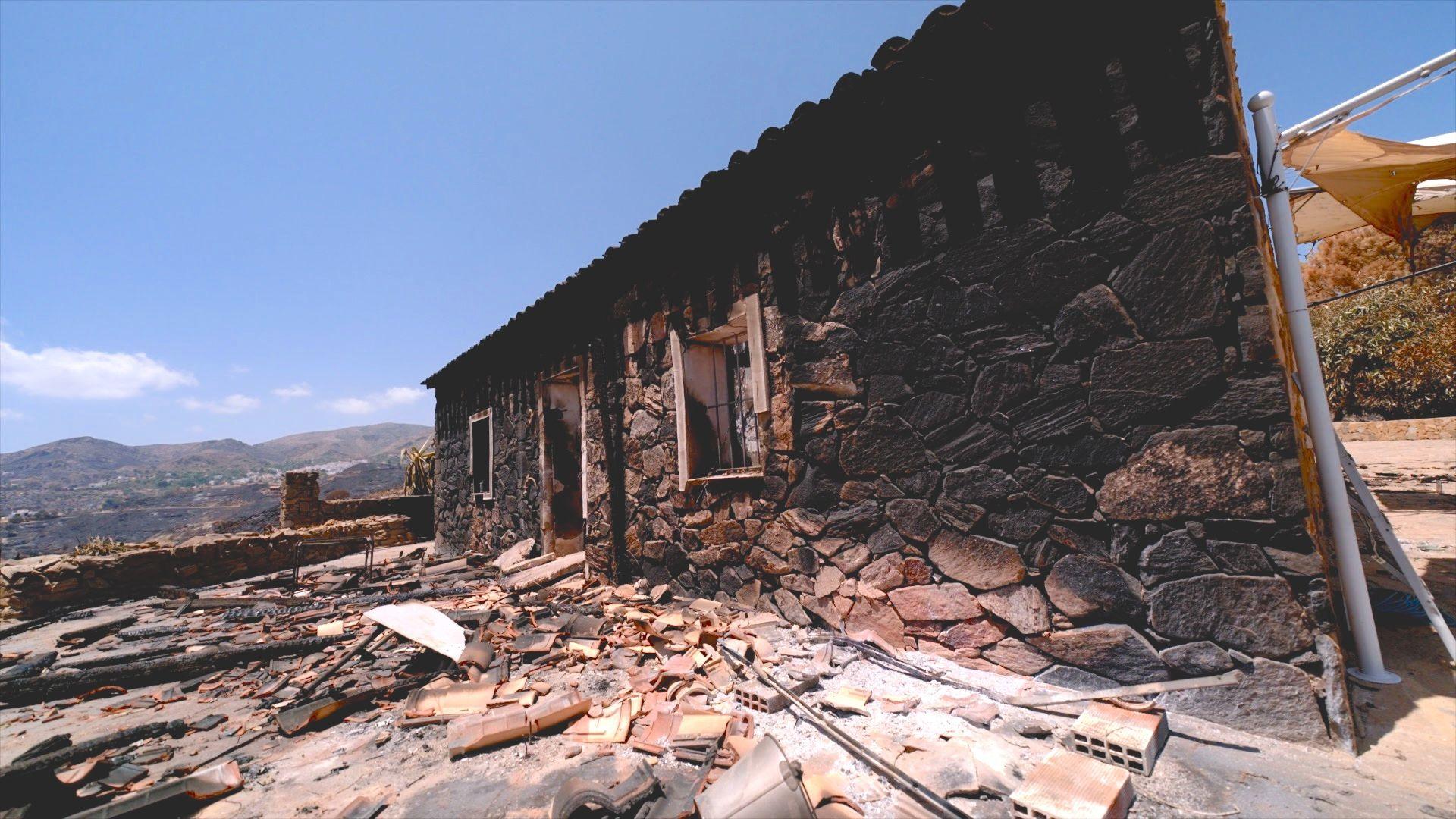
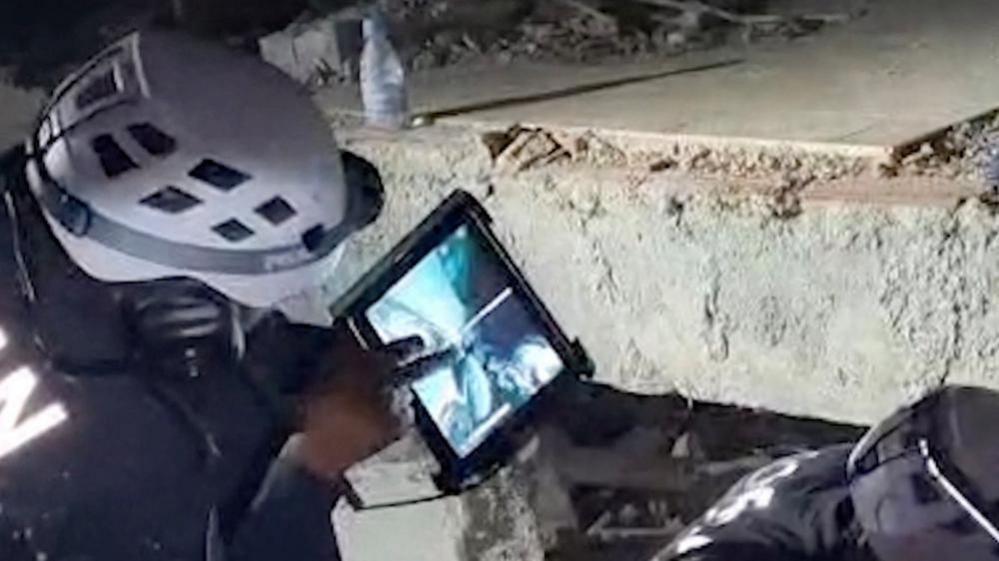
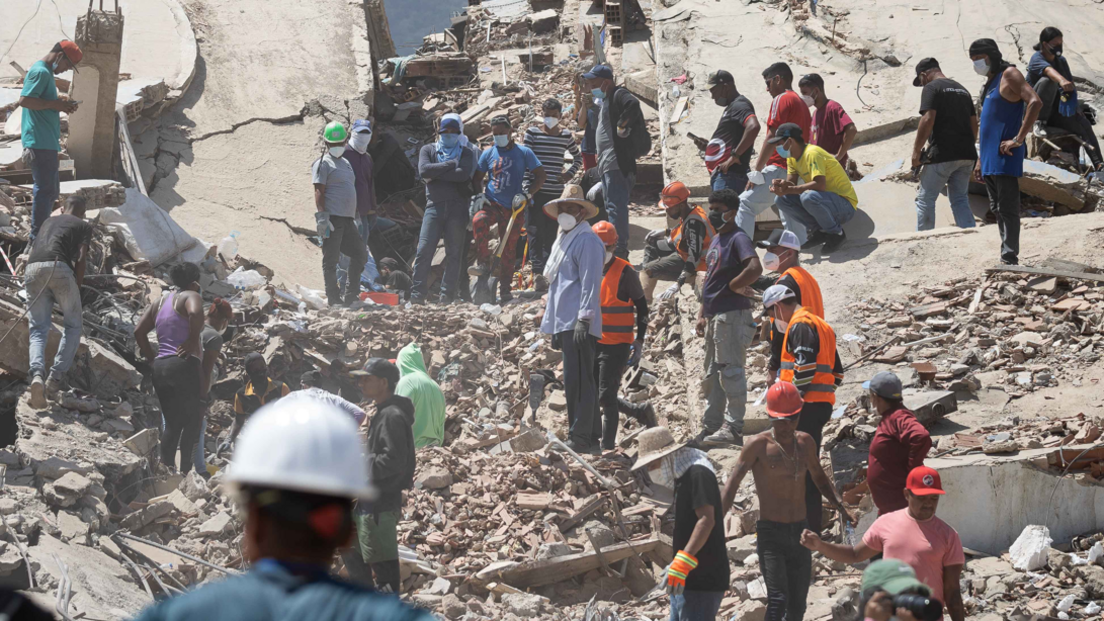
Hours after the plane’s arrival, twin earthquakes struck the coastal state, causing widespread destruction. The airport’s arrival area and the hotel where the deportees were housed were among the most heavily damaged sites, and many of the 141 passengers were reported missing or dead.
The Venezuelan government placed information hotlines in the city and began medical examinations of the survivors, but access to the hotel where many of the deportees were located was denied to the relatives, who were told there was “no life” in the collapsed site. Family members were left in a desperate search for confirmation that their loved ones were alive, or to retrieve bodies for identification and burial.
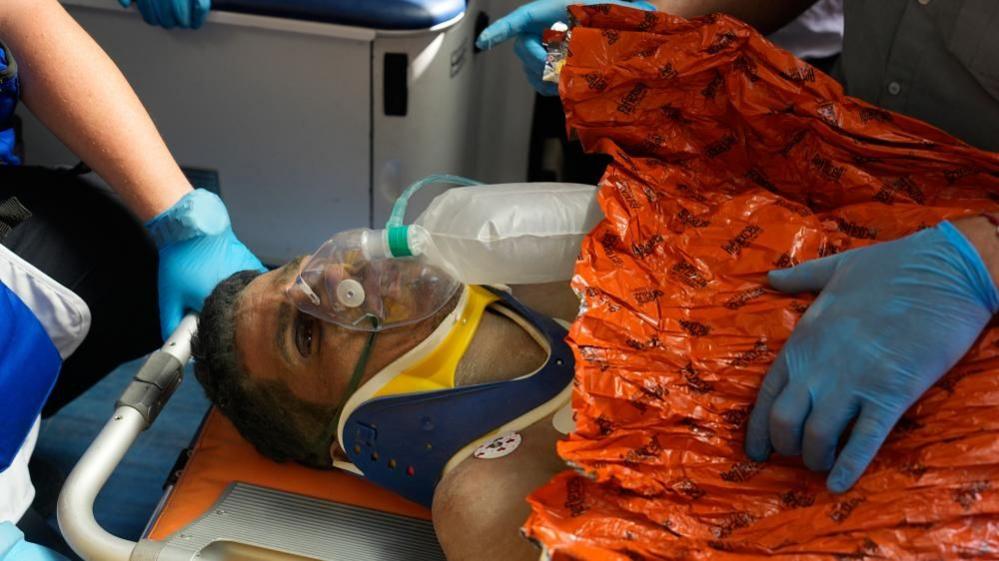
Relatives of other passengers, such as Darwin Eliecer Serrano Lopez and Daniel Alejandro Nunez, also fought to find their namesakes amid the rubble. Many others survived the collapse, but were left traumatized and physically scarred—someone lost both legs from collapsing buildings, and psychological shock was extensive.
The story, which unfolded with relentless desperation, illustrates the human cost of immigration policies that can leave families alone at the point of a sudden natural disaster. In the now‑shattered dynamics between states and disaster response, the world watches to see how the policies that send families abroad interact with the immediate needs of those repatriating at home.