In brief
The twin earthquakes that struck Venezuela’s La Guaira region on 22 June 2026 created widespread devastation, with more than 1,700 deaths and tens of thousands missing. Rescue efforts have largely been carried out by local volunteers, using basic tools and limited equipment, while government assistance appeared delayed. A 4.6‑magnitude aftershock rattled the area again the following Monday, increasing anxiety among the survivor hunters. International aid flows in, including a US $300 million package and naval support from the USS Fort Lauderdale, but the urgency of the situation remains dire. The story highlights the gap between the disaster’s severity and the state’s capacity to respond swiftly, as residents and international teams continue to scour rubble for survivors.
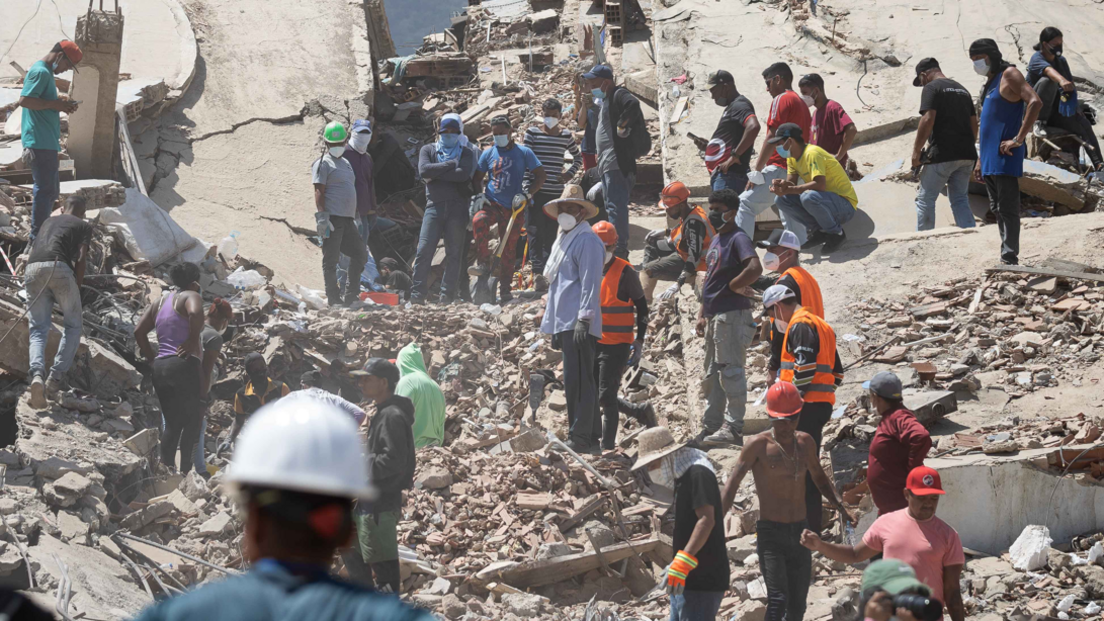
Last week’s twin earthquakes rattled northern Venezuela’s La Guaira region, with the second quake striking just 39 seconds after the first. The 7.2‑ and 7.5‑magnitude shocks collapsed about 800 structures, sending thousands into the rubble and leaving the local population isolated and vulnerable.
While emergency teams were dispatched, many residents report that they had to dig for loved ones with makeshift tools such as crowbars and pickaxes—little more than their bare hands or wielding a hard hat. The slow arrival of heavy machinery and government support has amplified the sense of desperation, with families like Carolyn Zerpa searching for her father and brother for days on end.
On Monday, a 4.6‑magnitude aftershock shook the city and Caracas again, shaking back pent up the tension. Hundreds have been rescued in the days since, but an estimated 25,000 people remain missing, and officials warn that the death toll could rise further.
Government response, while boasting a commission to assess damage, appears largely reactive. Interim President Delcy Rodríguez has announced that 25,000 emergency workers, as well as police and soldiers, have been mobilised, yet the deployment of rescue equipment remains patchy. Local volunteers continue their search, while statements from international partners—most notably the U.S., the Netherlands and China—highlight an influx of humanitarian aid.
In a noteworthy rescue, a 21‑year‑old man trapped for 100 hours was pulled alive by a joint Venezuelan, Mexican, and Salvadoran crew. Meanwhile, the United Nations is securing thousands of body bags and expecting the casualty figure to climb, though it affirms a unwavering focus on rescue.
With the port of La Guaira reopened by the U.S. Navy and delivery of supplies expedited, the international community has pledged substantial assistance. Yet Venezuelan residents remain in a dire position, watching their town recovery unfold slowly—while the aftershocks and slow governmental aid continue to fray their nerves.