In brief
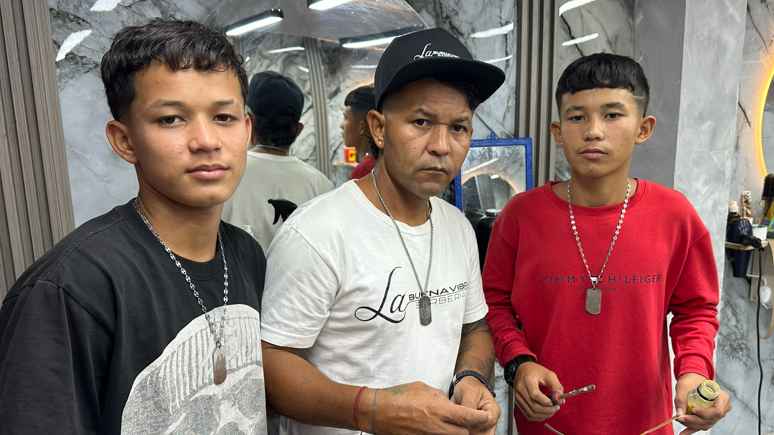
When 15‑year‑old Deivi Delfín and his 17‑year‑old brother Winder fled Caracas after twin earthquakes that shattered La Guaira, they were sacked from grief and despair. The two settled in Cali with their father, only to be struck by a 7.4‑magnitude quake that once again turned their new home into a ruin. Their experience, captured through raw witness accounts, shows how migrating families in the region continue to be caught in cycles of natural disaster. The story reflects the persistence and vulnerability of displaced youth as they aim for a future that feels increasingly fragile. Their courage shines through the devastating memories of loss and the urgent need for stable safety nets.
In the wake of two devastating earthquakes on 24 June, Venezuela’s La Guaira lay in ruins. Young Deivi Delfín was 15, and his older brother Winder was 17 – brothers who had already endured the loss of three of their family members, including their mother. After their 12‑storey apartment collapsed, the pair fled to Cali, Colombia, to join their father Deivid, who was working there at the time.
An Unbreakable Cycle of Tremors
Three days later, the Colombian ground shook again. The 7.4‑magnitude quake smashed buildings and left countless people missing. Deivi said, “The earthquake is haunting me,” describing the relentless swirl of danger that has now become part of their everyday life.
After the shock, Winder and Deivi found their father’s house had been devastated. The same streets where they once dreamed of a normal childhood now echo with collapse and loss. While in Venezuela the brothers had been employed as scavengers in the rubble, in Colombia they continued to navigate narrow alleys and dark rooms to locate missing relatives, even as the quake rattled new brick walls.
Faces of Loss and Hope
One of the most heart‑wrenching moments was finding their mother’s body amid the wreckage overnight. Winder remembered her head still wrapped in the plastic hair dye bag she used before they left for the beach. The moment can be distilled into the grief of a young life abruptly interrupted.
Yet amid the tragedy, the brothers have shown a fierce determination to survive. They say their goal is to earn a steady job, attend school, and make their mother proud. Dr. Deivid, listening to these aspirations, keeps a close watch on the neighborhood’s safety, hoping the community won’t repeat the earth‑quaking fate it suffered in Venezuela.
A Call for Continued Support
The ongoing shock waves that wipe out homes are more than engineering failures – they are social catastrophes. The story of Deivi, Winder, and their family is a stark reminder that displaced populations in Latin America continue to face the constant threat of natural disasters. Governments, NGOs, and communities must collaborate to provide robust safety nets, mental health support and infrastructure that can dampen the jolt of future quakes.