In brief
The United States, Germany, and other Western governments are increasingly rejecting asylum claims and forcibly sending Russian anti‑war activists back home. The flight that landed in Moscow in December saw cooperation between FSB agents and US authorities, including the issuance of military conscription papers to male deportees. Cases such as Katya, Leonid Melekhin, and Artyom illustrate the stark risk of imprisonment or conscription faced upon return. European policy shifts have tightened asylum standards, especially in Germany, while Finland has turned away numerous applicants. The crackdown reflects a broader trend of restricting humanitarian programmes amid rising security concerns.
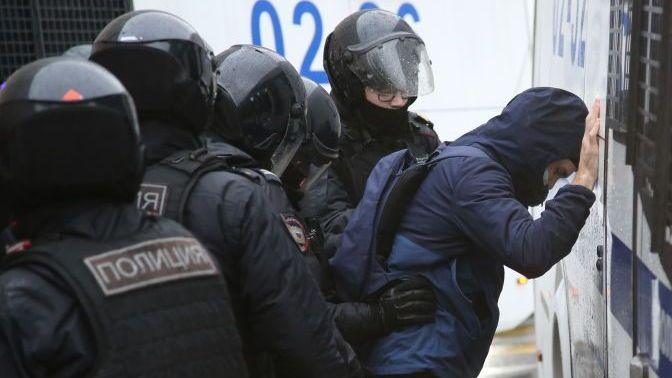
The flight that touched down in Moscow in December carried a group of Russian nationals who sought safety in the United States. They were handed over by U.S. authorities and met with FSB officers immediately upon arrival. The security service issued military papers to fleeing men, effectively conscripting them for the war in Ukraine.
Katya, a reporter who had left Russia two years before, tells a chilling story of fear and uncertainty. "My knees were shaking with fear," she said. She claims police found incriminating data on her phone and shelved her in a detention centre, only to release her after hours of interrogation.
This is not an isolated case. Leonid Melekhin, who had been jailed in the U.S. for a photo of President Putin, was subsequently sentenced to six years behind bars after his return to Russia. Former army deserter Artyom was rerouted through Egypt, escaped custody in Moscow, and now hides abroad, citing a deliberate U.S. strategy of forcing him back into danger.
Germany’s policy has hardened sharply. In 2025 the country deported more than 110 Russians, compared with seven in 2023, while the proportion of positive asylum decisions dropped from 29% to less than 7% in the first 11 months of 2025. The EU as a whole saw a fall from 23% in 2024 to 17% in 2025 for Russian asylum holders.
Finnish authorities have denied asylum to the couple Mikhail and Dasha multiple times. They argue they would not face serious persecution, but the couple – a Jehovah’s Witness member and a political activist – fear imprisonment or torture if handed back to Russia. Amnesty International warns of real risk of detention, imprisonment and torture.
Human rights organisations report that Russia’s list of political prisoners has more than doubled since 2025, reaching 1,265 cases. The growing number of Russian nationals facing forced returns is tied to a broader clampdown on migration and heightened public pressure on Western governments to limit humanitarian programmes.
The stakes are high. The West’s actions may force individuals into a dangerous cycle of return, conscription or imprisonment, eroding prospects for genuine asylum and raising questions about the global community’s commitment to human rights.