From US Deportation to Venezuelan Earthquake: Families Trapped in Unimaginable Crisis
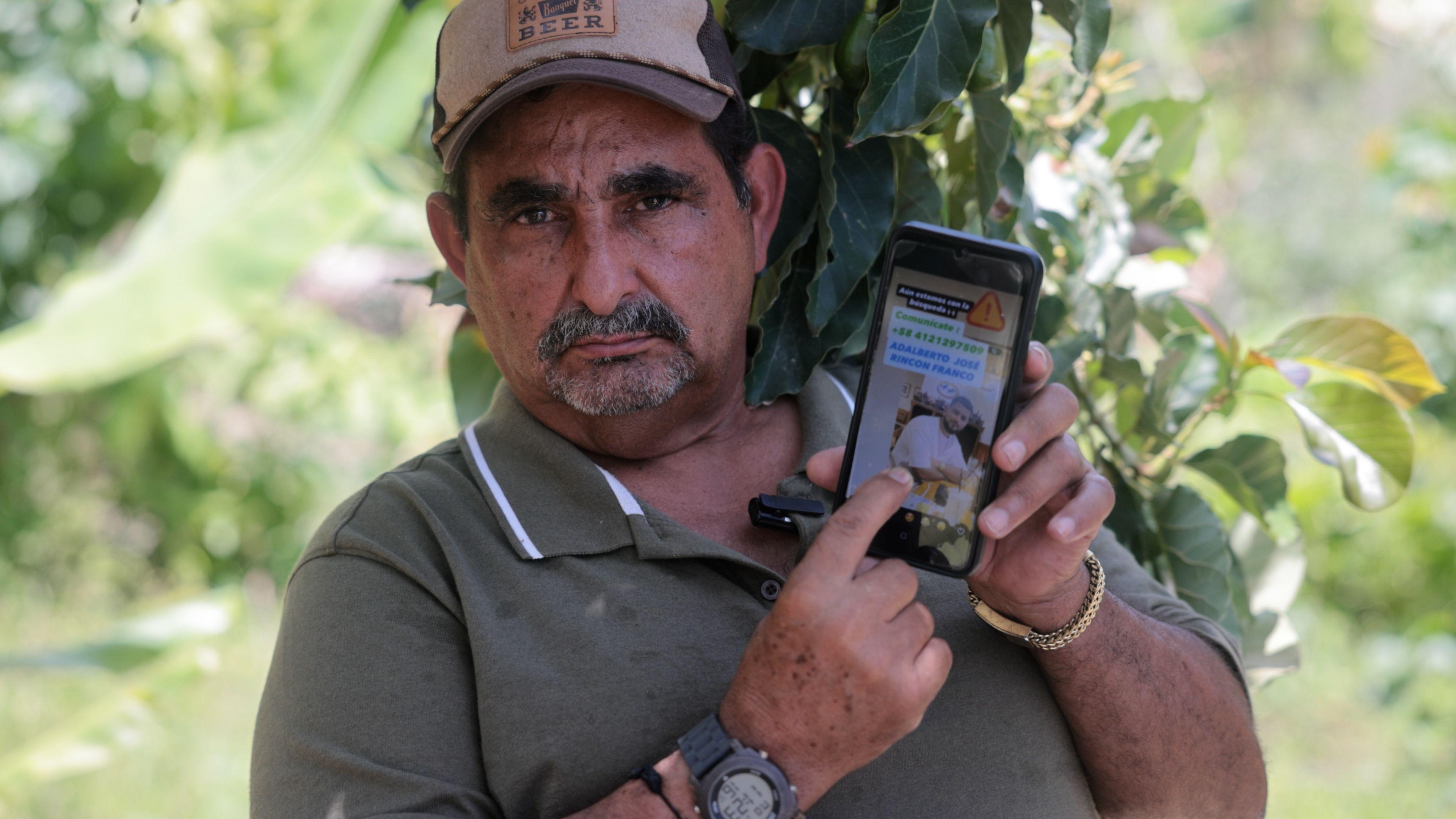
Abelardo Rincón, 23, spent six years in Georgia, working at a car dealership, marrying a local woman and anticipating the birth of a daughter. In December, amid President Donald Trump’s crackdown on immigration, he was seized by US authorities and sent to Venezuela on one of the many deportation flights that carried over 140 Venezuelan citizens.
The flight landed on 24 June, and Rincón, still in US custody, was able to phone the relatives he had left in Atlanta. He and the other detainees were housed in a coastal hotel in La Guaira while authorities conducted medical checks and processed paperwork.
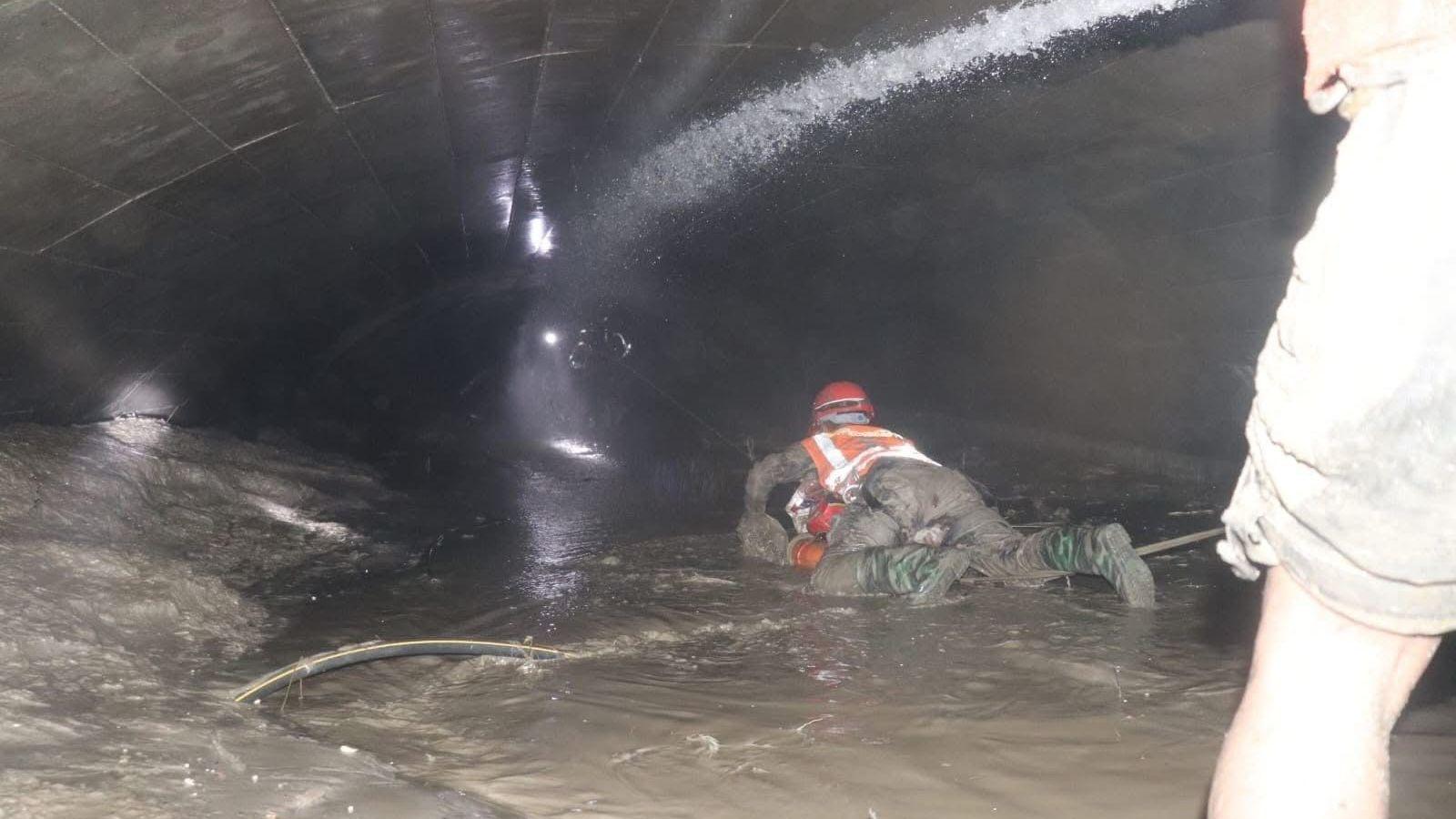
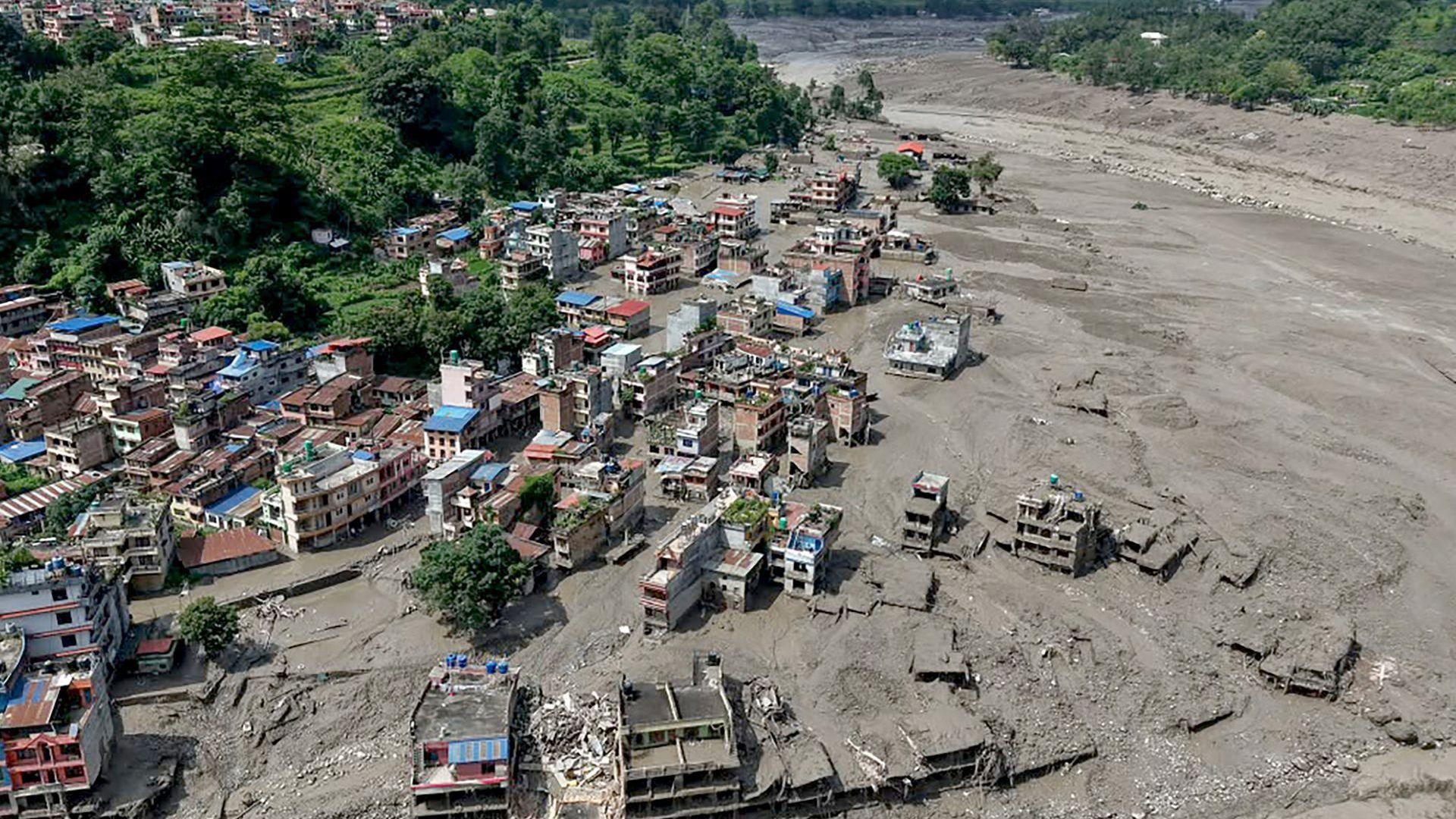
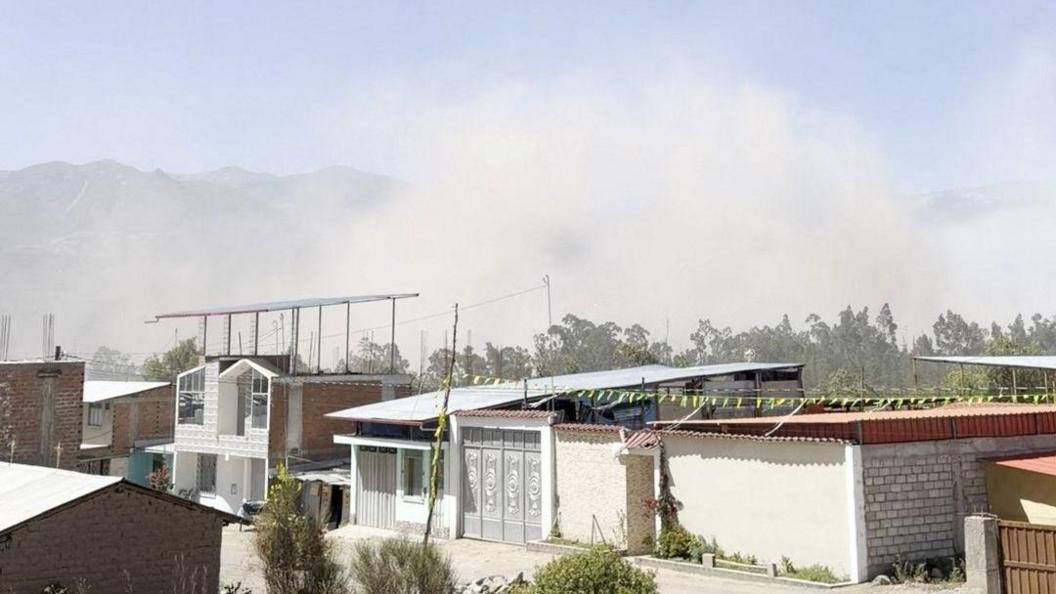
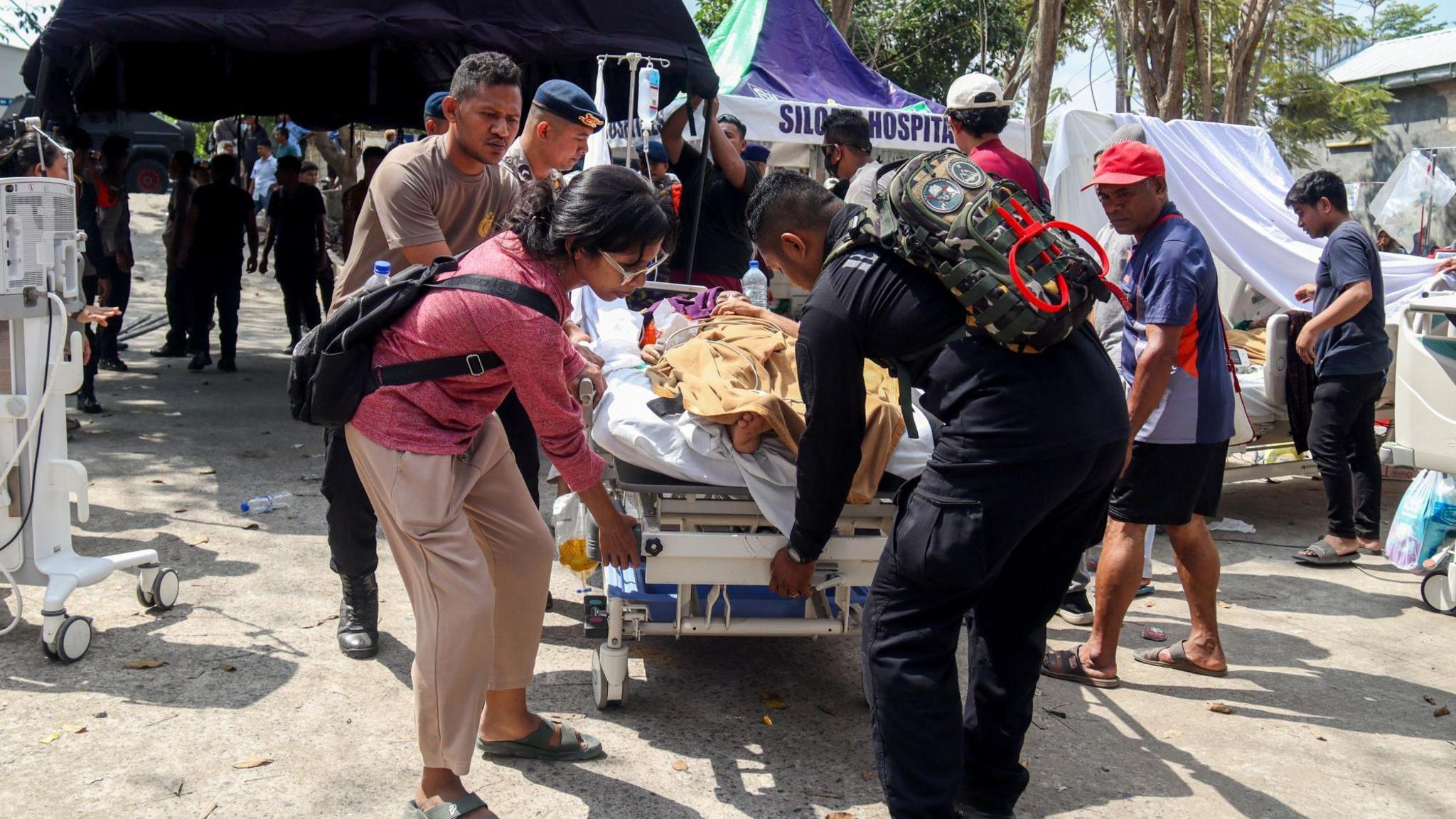
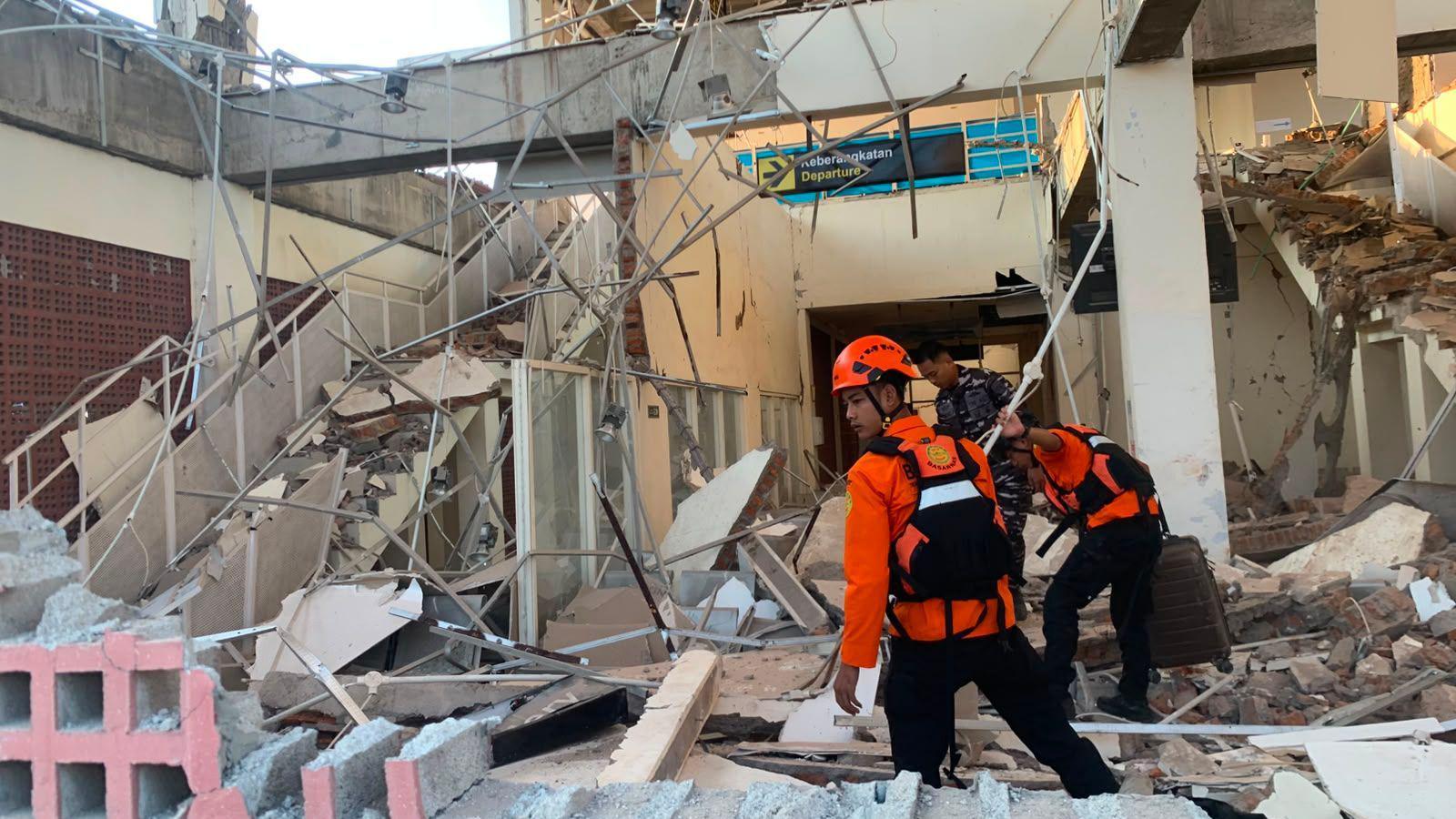
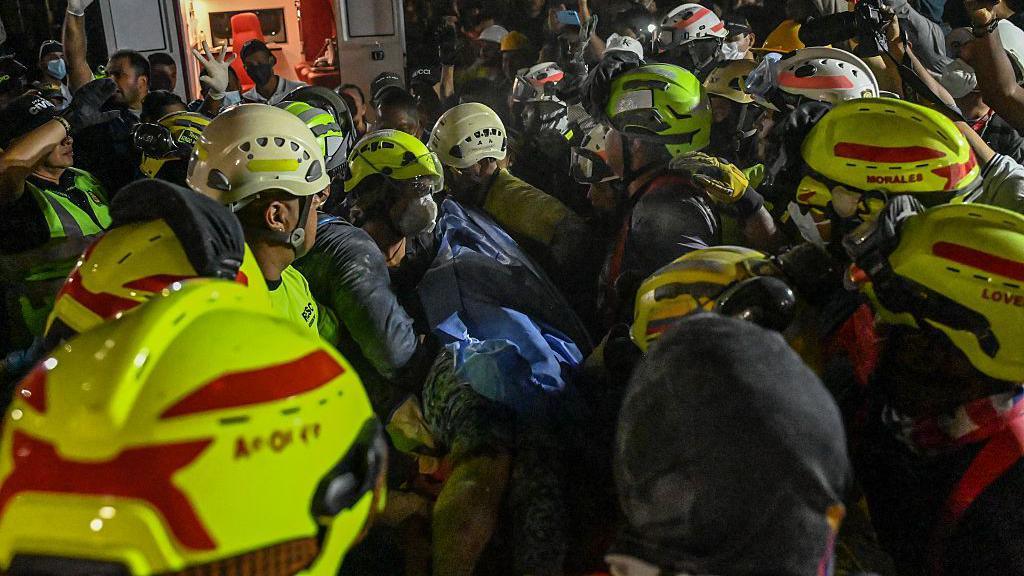
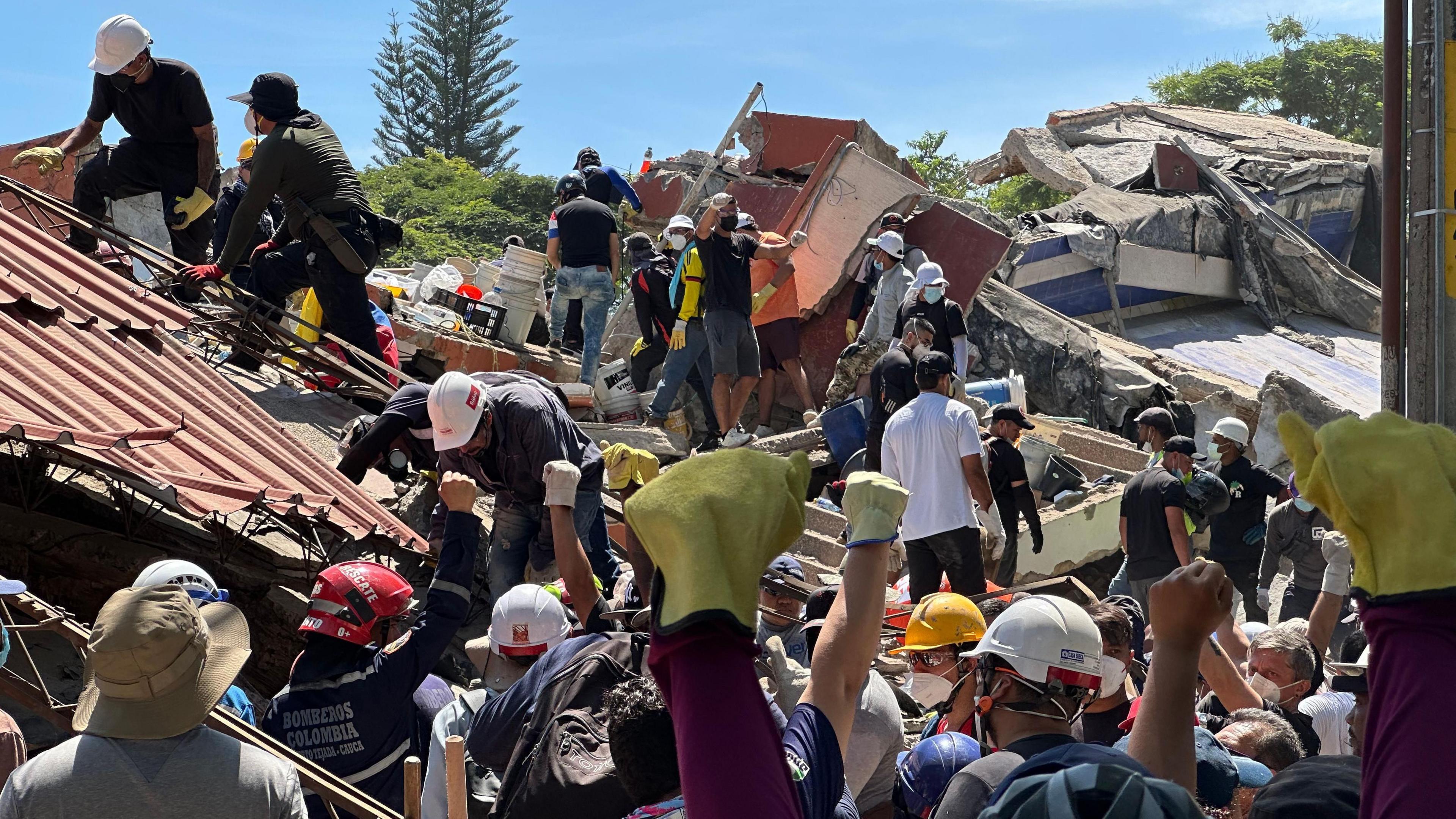
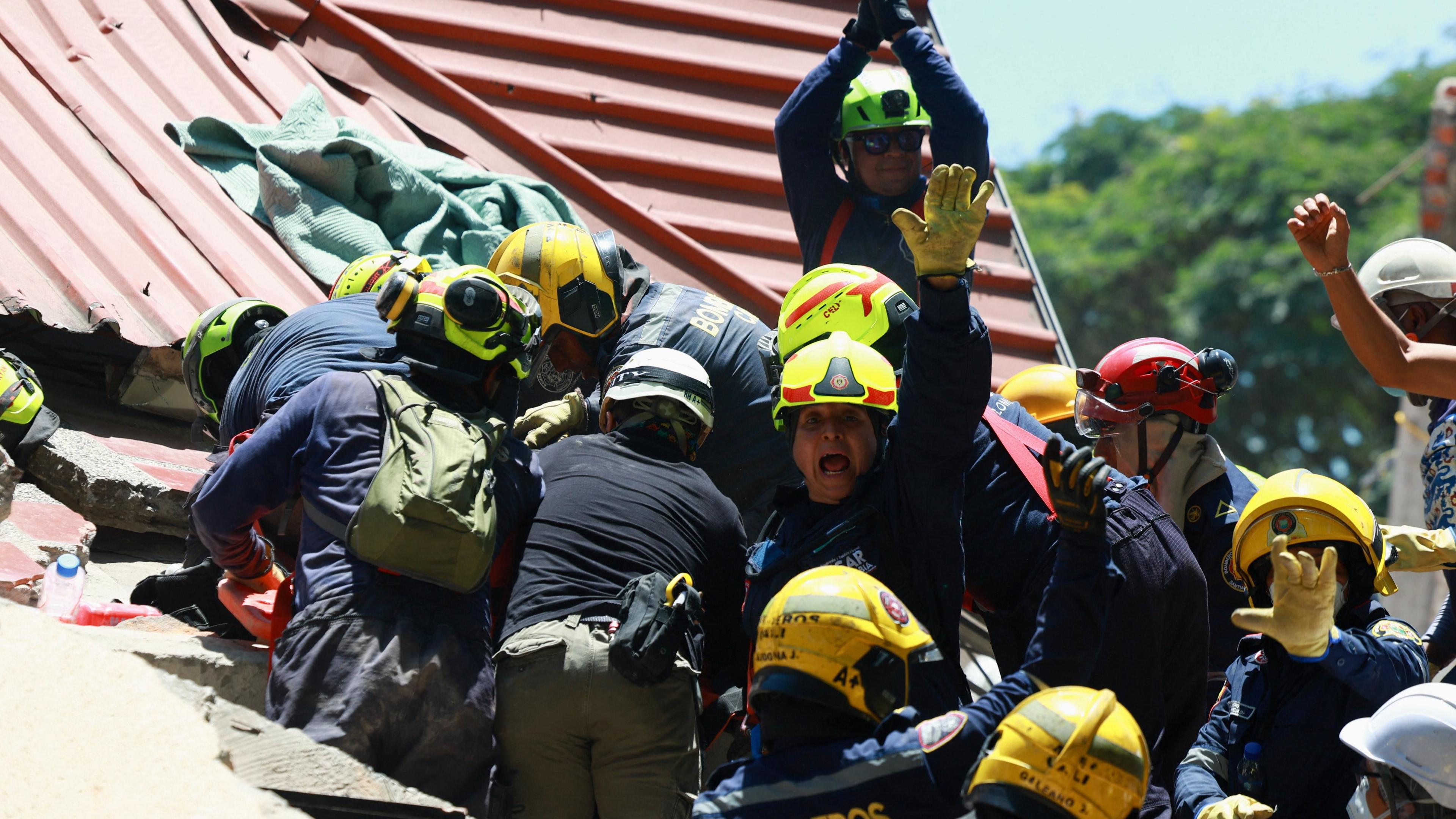
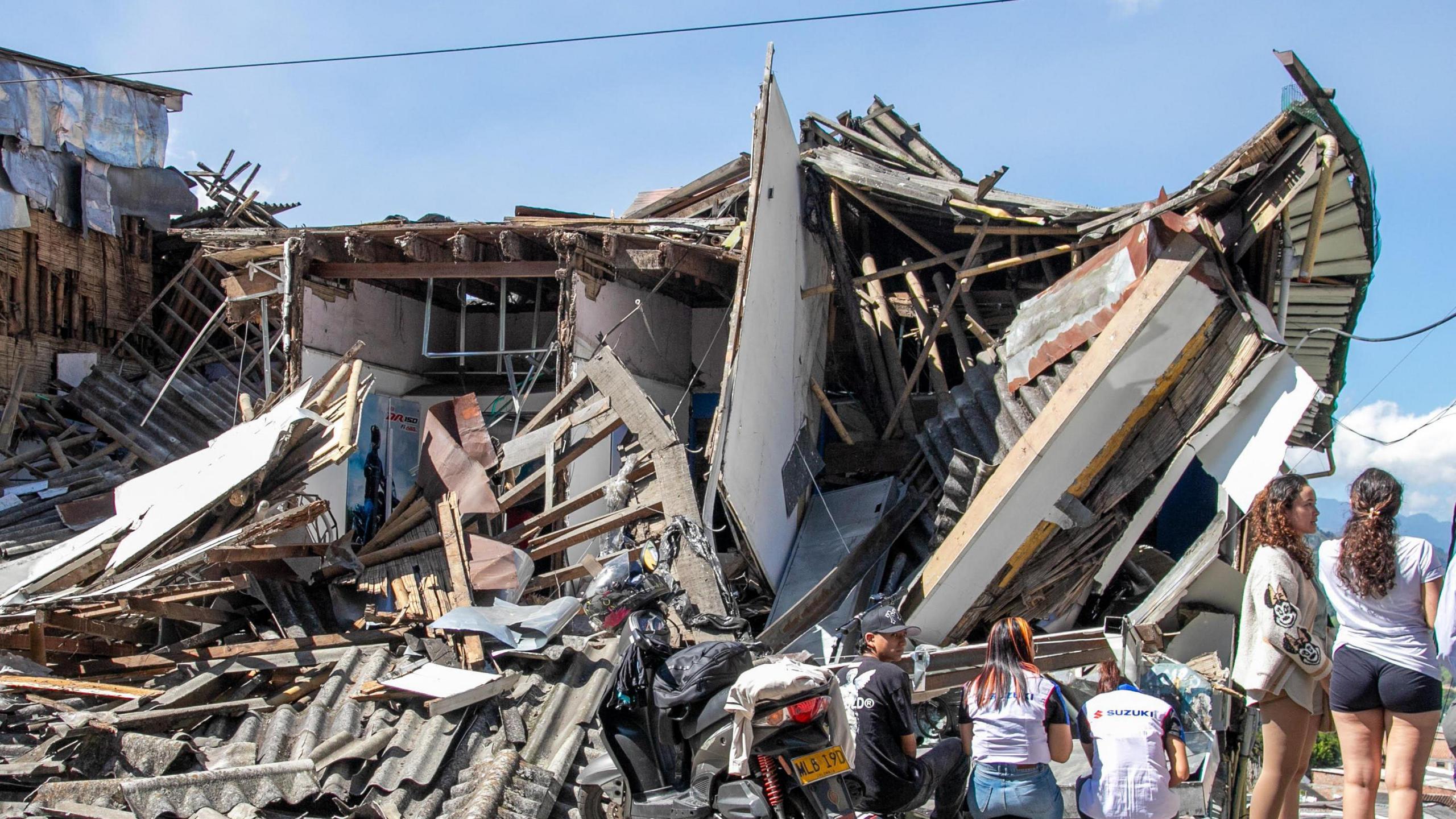
Hours later, twin earthquakes rattled the region with magnitudes of 6.4 and 6.5. The disaster caused at least 2,200 confirmed deaths, more than 10,000 injuries and left 50,000 people reported missing, according to United Nations figures.
Rincón, along with several other Flight 164 passengers, became one of those reported missing. His wife and parents, who had been anxiously awaiting news, now faced the horrors of a collapsed city and the absence of any information about their son.
The U.S. Department of Homeland Security (DHS) merely stated that the flight “safely reached Venezuela” and that the passengers were returned home. It declined to provide specifics on why individuals were deported or their current status after release from ICE custody.
Venezuelan officials have admitted limited capacity to respond, with phone lines clogged and a lack of clear records amid the chaos. Families search for loved ones, describing scenes of devastation and their own uncertainty: whether the person is alive, missing, or has perished.
In addition to Rincón, other passengers on Flight 164 were ensnared by the rubble of Hotel Santuario La Llanada. Survivors recount terrifying experiences: women lying on second‑floor rooms, screaming for help, and later hearing the faint crack of the building as the structure gave way. Some were rescued after living in the US for years, only to have legs amputated during the collapse.
The tragedy extends beyond individual cases. Families of abducted crew members are left with confusion, grief, and the slow, agonizing search for the bodies or confirmation of their survival. The story underscores how policies of forced deportation can intersect with natural disasters, compounding suffering for those caught in the crossfire.