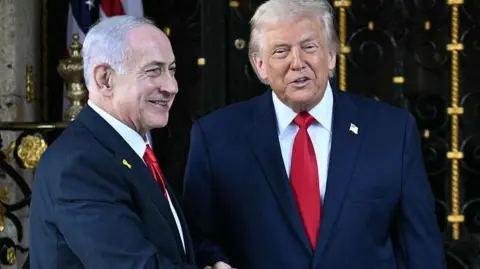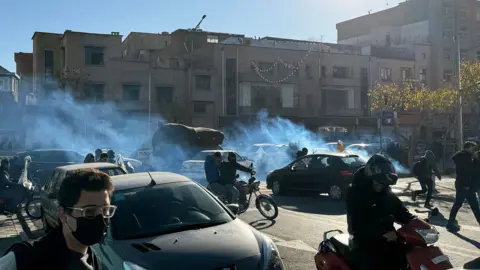
Iran is no stranger to street protests, but several factors surrounding the current unrest make it very serious. Monday marks the ninth day since demonstrations broke out, yet even four or five days were enough for President Trump to issue a direct warning to Iranian leaders over the treatment of protesters, saying the US was locked and loaded. This watershed moment comes on the heels of another US operation targeting Nicolás Maduro in Venezuela, and a second warning followed shortly thereafter. Such direct threats from a sitting US president during ongoing protests are highly unusual and could embolden demonstrators, potentially escalating the unrest further.
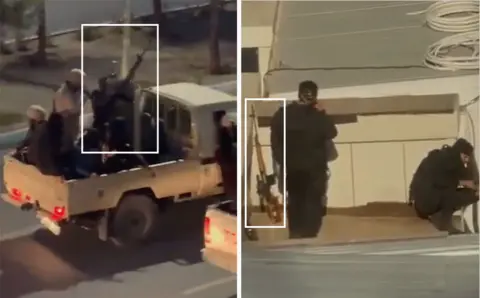
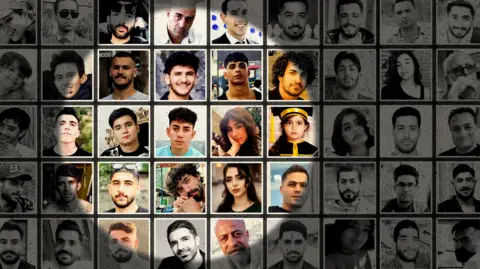
Iranian police and security forces have responded with significant force almost from the outset, resulting in over 20 reported deaths according to human rights groups. The protests that commenced on December 28 were initially fueled by public outrage over steep inflation and a staggering depreciation of the local currency, which has surged more than 80% compared to last year.
The Iranian economy is in dire straits. Current official inflation rates hover around 42%, while food inflation surpasses 70%, with some basic goods witnessing price hikes of over 110%.
International sanctions, chiefly led by the United States, have exacerbated economic suffering, but they are not solely to blame. Widespread reports of corruption involving senior officials aggravate public sentiment, as many believe that parts of the elite are profiting from the crisis while ordinary Iranians bear the brunt of sanctions and economic mismanagement.
Merchants in Tehran's Grand Bazaar were among the first to voice their discontent, closing their shops amidst turbulent daily currency fluctuations. As protests spread across different sectors of society, economic grievances quickly turned political, urging calls for the dismantling of the entire Islamic Republic. Students and retailers from various locales joined these calls, and once again, chants against Iran's supreme leader emerged prominently.
While the current unrest has swiftly continued for days, it has yet to reach the scale or intensity seen in 2022 following the death of Mahsa Amini, which sparked widespread anti-government protests. Observers note that journalists in Iran face tremendous pressure, with many independent international news organizations unable to report on the ground or operating under strict restrictions.
Amid this backdrop, many analysts believe the current protests bear implications that could ripple through the Iranian government more profoundly than in previous years. The government is perceived to be at its weakest point in decades, juggling internal chaos with a rapidly changing regional landscape.
The impact of the recent 12-day conflict with Israel has severely impaired Iran's military capabilities and nuclear infrastructure, and developments such as the fall of allies in the region have further diminished Iran's strategic options. Now, with weakened networks to support their economy and increasing internal tension, Iran's leadership finds itself at a crossroads, grappling with unprecedented challenges both domestically and abroad.