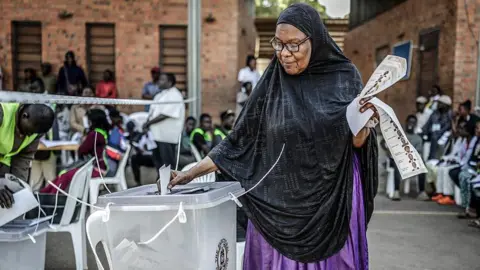
Polls opened in Uganda's presidential and parliamentary elections, but the process faced serious disruptions due to logistical delays and an internet shutdown. Voters in Kampala reported long queues and that many polling stations had still not commenced voting as required. Frustration grew in the capital as delays were attributed to failures of biometric identification kits and late arrivals of election materials.
Current president Yoweri Museveni, who has been in power since 1986, is competing for a seventh term, facing off against popular opposition candidate Bobi Wine, a pop star-turned-politician. The election has been complicated by accusations against security forces of targeting opposition activities in the lead-up to the voting day.
The regime implemented an internet blackout, which authorities justified as a measure to prevent misinformation and violence, a decision condemned by the United Nations as deeply worrying. Critics argue this move is aimed at hindering opposition mobilization efforts and suppressing the sharing of election-related issues.
Voters expressed their concerns about how the delays might impact the integrity of the election process, with reports of malfunctioning biometric verification equipment in affected polling areas. Observers have pointed out that the issues disproportionately affect segments of the electorate traditionally supportive of the opposition.
Overall, this electoral cycle is viewed with skepticism regarding its fairness, with many voters hoping for improvements in the nation's political landscape as they head to the polls amid growing anxiety over security and electoral integrity.