WASHINGTON (AP) — The U.S. military opened fire on two people clinging to the wreckage of a boat allegedly carrying drugs, congressional lawmakers learned this week as they seek more answers about the attack and the legal underpinnings of President Trump’s military campaign in international waters near Venezuela.
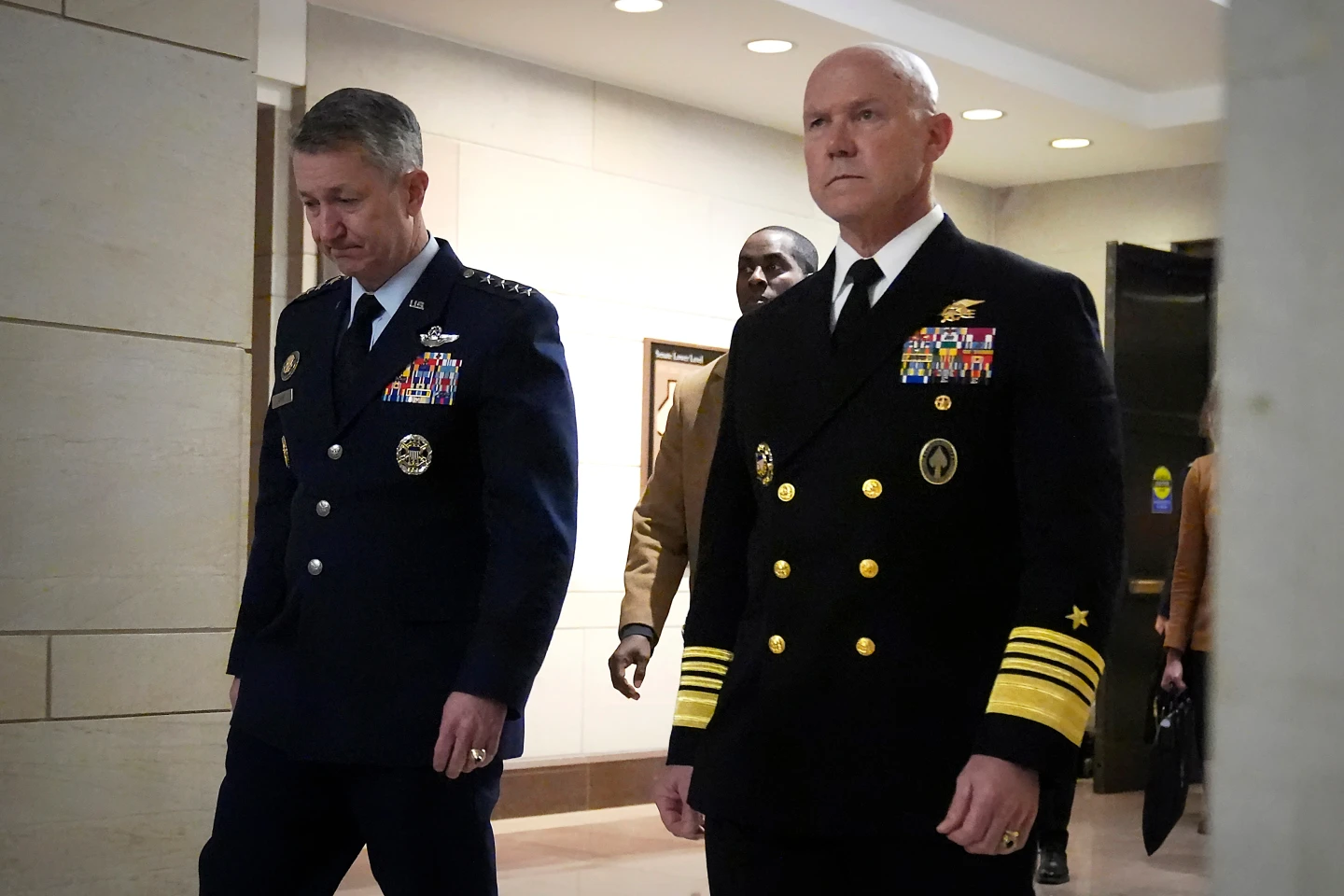
The Sept. 2 strikes on an alleged drug boat were the first such military action in targeting vessels involved in drug smuggling. However, these strikes have now destroyed more than 20 boats and resulted in the deaths of over 80 people, leading to intense scrutiny from Congress. Lawmakers have questioned the Navy admiral who ordered the initial strikes, including the follow-up attack that killed the two survivors.
Adm. Frank “Mitch” Bradley clarified that Defense Secretary Pete Hegseth did not issue a ‘kill them all’ order regarding the survivors but acknowledged that the mission's objective was clear — to eliminate the drugs and the individuals on board. This sequence of events raises significant concerns about potential violations of armed conflict laws designed to protect human rights and military personnel.
As lawmakers continue their investigation, they are attempting to understand the rationale behind the attacks. Bradley stated that the second strike was executed because there was an expectation that bales of cocaine remained in the hull of the vessel. While Rep. Adam Smith voiced alarm over the deaths of the survivors, Sen. Tom Cotton suggested their actions indicated a willingness to engage in hostilities, justifying their targeting.
Currently, Congress is scrutinizing the legal basis that allows the military to operate in such a capacity, particularly as the Trump administration's legal stance classifies drug trafficking and smugglers as terrorist threats. This approach shifts the traditional view of drug crimes to be handled primarily by law enforcement. Lawmakers have expressed concern over the implications of this classification for military engagements.
Moving forward, there are calls for the release of the legal opinions underpinning these military operations, which have been kept classified. Lawmakers seek transparency regarding the directives issued and the decisions made by military leadership during these strikes. The outcome of this inquiry could redefine the scope of military authority in combating drug trafficking and influence relations with Venezuela.
The Sept. 2 strikes on an alleged drug boat were the first such military action in targeting vessels involved in drug smuggling. However, these strikes have now destroyed more than 20 boats and resulted in the deaths of over 80 people, leading to intense scrutiny from Congress. Lawmakers have questioned the Navy admiral who ordered the initial strikes, including the follow-up attack that killed the two survivors.
Adm. Frank “Mitch” Bradley clarified that Defense Secretary Pete Hegseth did not issue a ‘kill them all’ order regarding the survivors but acknowledged that the mission's objective was clear — to eliminate the drugs and the individuals on board. This sequence of events raises significant concerns about potential violations of armed conflict laws designed to protect human rights and military personnel.
As lawmakers continue their investigation, they are attempting to understand the rationale behind the attacks. Bradley stated that the second strike was executed because there was an expectation that bales of cocaine remained in the hull of the vessel. While Rep. Adam Smith voiced alarm over the deaths of the survivors, Sen. Tom Cotton suggested their actions indicated a willingness to engage in hostilities, justifying their targeting.
Currently, Congress is scrutinizing the legal basis that allows the military to operate in such a capacity, particularly as the Trump administration's legal stance classifies drug trafficking and smugglers as terrorist threats. This approach shifts the traditional view of drug crimes to be handled primarily by law enforcement. Lawmakers have expressed concern over the implications of this classification for military engagements.
Moving forward, there are calls for the release of the legal opinions underpinning these military operations, which have been kept classified. Lawmakers seek transparency regarding the directives issued and the decisions made by military leadership during these strikes. The outcome of this inquiry could redefine the scope of military authority in combating drug trafficking and influence relations with Venezuela.