After weeks of dead‑ends, the United States and Iran have finally signed a Memorandum of Understanding that could mark a turning point in Middle Eastern stability.
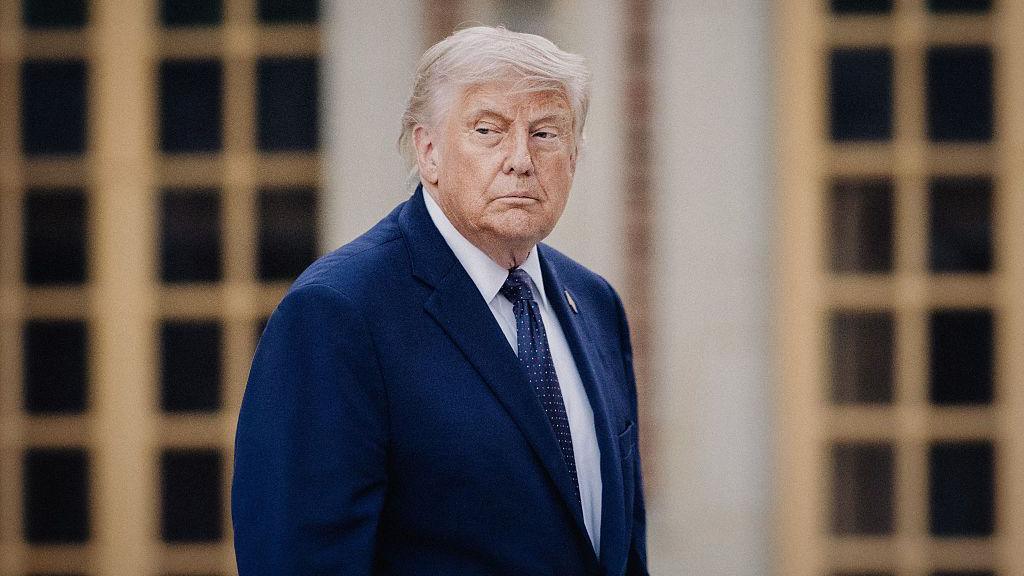
President Donald Trump called the agreement a "Great Deal" that would bring "Peace and Security to the whole Region," while Iranian Deputy Foreign Minister Kazem Gharibabadi highlighted Iran’s military achievements and confirmed the signature of the @Memorandum.
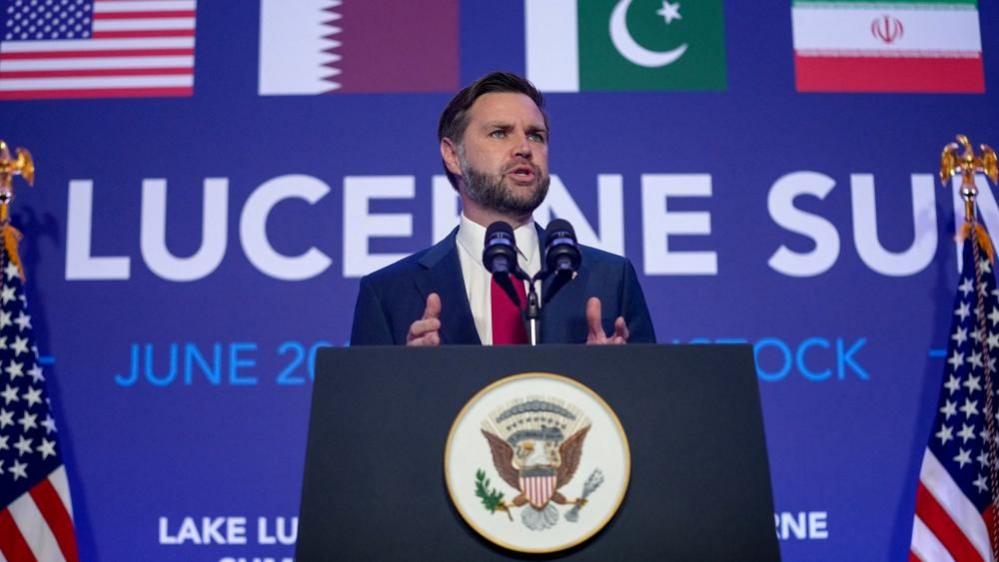
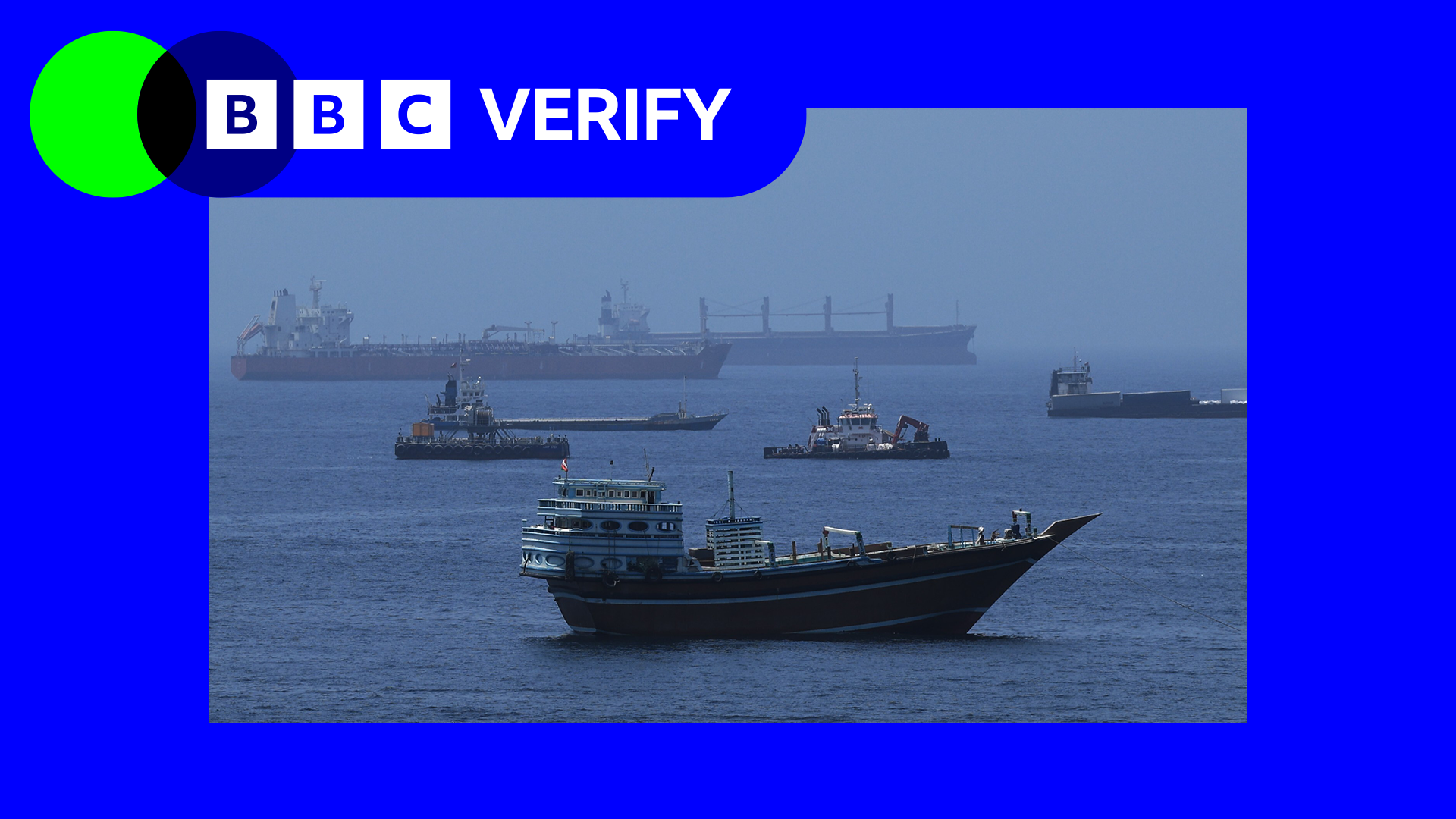
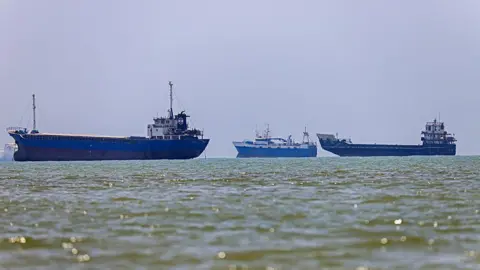
Pakistan, which acted as a mediator, says the deal should lead to lifting Iran's blockade on the Strait of Hormuz and the U.S. embargo on Iranian ports – though neither step is expected to take effect immediately. The agreement also urges the immediate and permanent termination of military operations on all fronts, a demand echoed by Prime Minister Shehbaz Sharif.
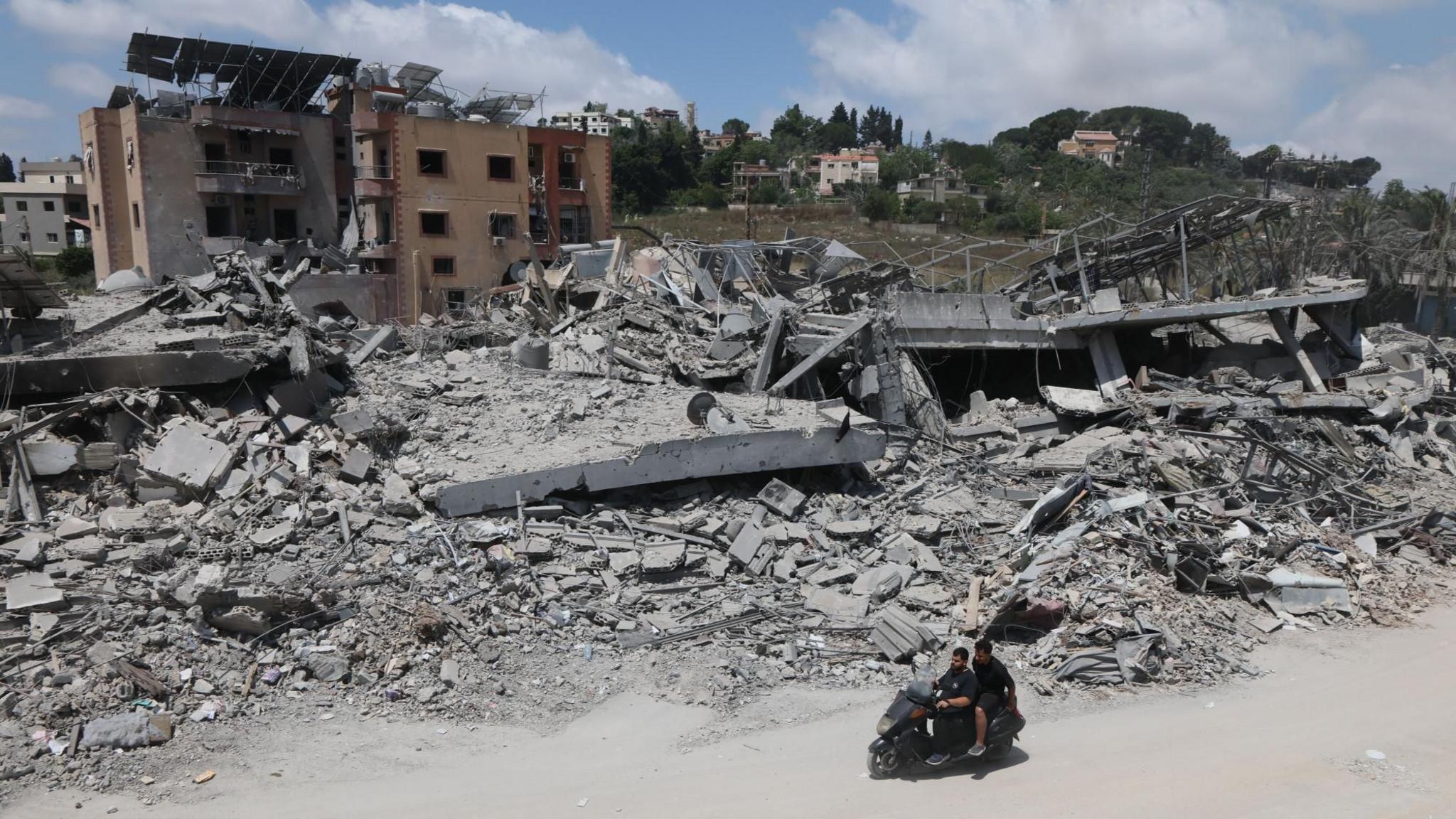
However, the road to a comprehensive ceasefire is uncertain. Israeli Prime Minister Benjamin Netanyahu has shown no sign of ending the offensive against Hezbollah in Lebanon, and recent skirmishes between Israeli forces and Hezbollah rockets have brought the entire process close to collapse. Lebanon remains precarious, with two recent ceasefires failing to hold.
For Gulf neighbors such as the UAE, Qatar, and Saudi Arabia, the deal signals relief from the threat of Iranian missiles. Yet the agreement still leaves a key question unanswered: how robust will the safeguards against Iran developing a nuclear weapon be? Iranian state media suggests a mechanism may exist, but the details will need clarification during future negotiations and an upcoming signing ceremony.
While the uncertainty that dominated weeks of potential conflict has been partially allayed, the path to a lasting resolution remains complex. The world watches as the final signatures approach, wary of the untold challenges that lie ahead.