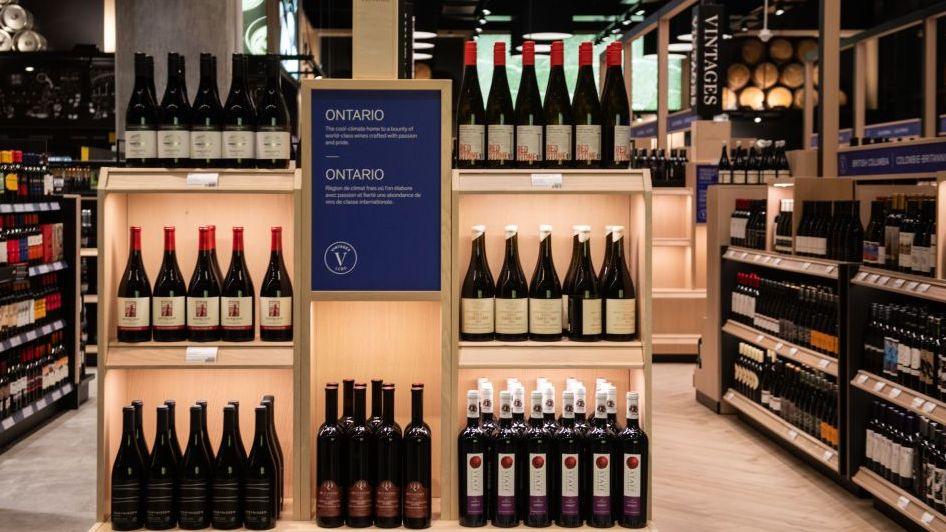

The United States has lifted a ban on a handful of Canadian imports, including alcoholic beverages and dairy, following a Canada‑initiated series of tariffs on US goods. The order, announced by the Trump administration on 8 September, bans nearly C$1 billion of Canadian liquor destined for the US, as well as whey products used in protein powders. It also covers motorbike exports – about 5,000 units in 2025 worth roughly C$120 million – a comparatively small slice of the trade picture.
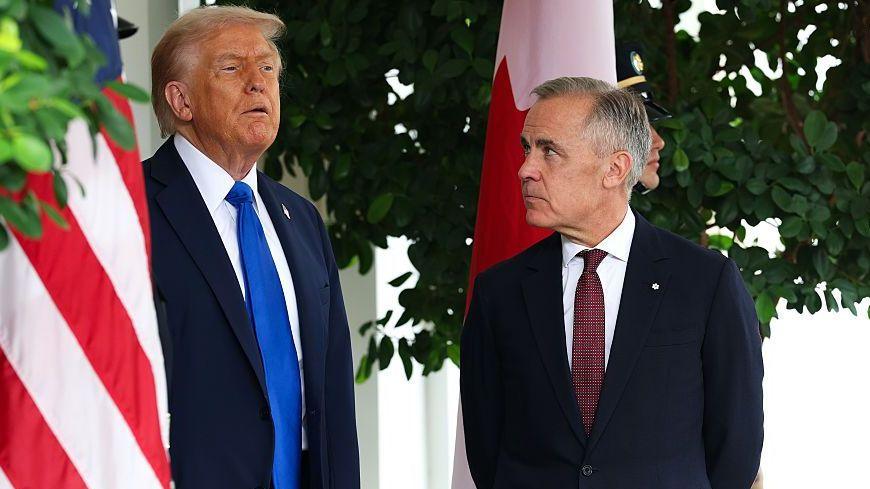
Canadian officials, led by Prime Minister Mark Carney, say the bans will only modestly affect the national economy and that Canada is unlikely to retaliate further. However, industry groups such as Spirits Canada warn that the restrictions could severely impact the liquor sector, with around 93 % of Canadian spirits sent to the US in 2025 now facing obstacles.
Economists and business leaders argue that these measures add uncertainty to the Canada‑US trade relationship, the two countries’ biggest bilateral partnership. In addition to the current bans, the US has levied 50% tariffs on dairy, alcohol, steel and aluminium, and 25% tariffs on Canadian‑built cars. Canada has responded with duties ranging from 15% to 50% on more than 700 US products and a 25% levy on certain steel and aluminium items; some provinces have halted sales of US liquor.
Trump’s tariff policy is part of his broader economic agenda, which he frames as revenue‑generating and a push for domestic manufacturing. Critics, however, point to rising consumer prices and global supply‑chain disruptions caused by such trade barriers.
For more on the industry’s response, see the statement from Spirits Canada here.