Canada Launches Counter‑Tariffs on US Goods Amid Stalled Trade Talks
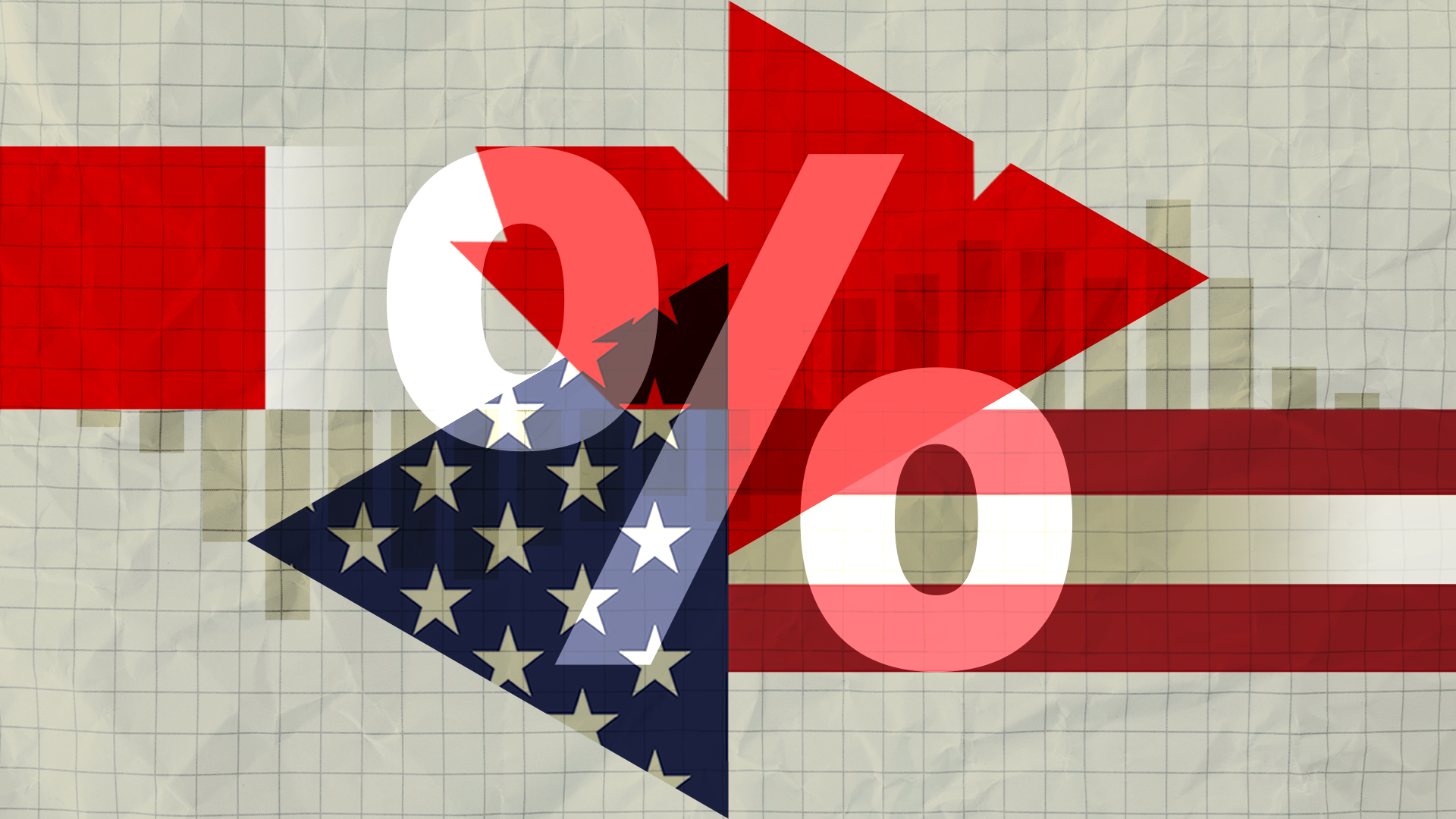
Canada’s retaliatory tariffs on a near C$28 billion range of US products took effect Tuesday, with no sign of a reconciliation deal on the horizon.
The counter‑tariffs cover a panoply of goods from steel to furniture to cotton T‑shirts, and can reach up to 50 %. Fresh fish and lobster were initially on the list, but Canada removed them after protests from its seafood industry.
Both sides have said they wish to resume talks: Prime Minister Mark Carney stated Canada is still hunting a durable deal “in the best interests of both countries,” while U.S. Trade Representative Jamieson Greer said the ball sits in Canada’s court and warned of potential US retaliation, such as banning Canadian products.
Trump threatened on Truth Social to halt all U.S. business with Canadian airplane maker Bombardier unless the company moved its production south. Bombardier is one of Canada’s biggest companies, contributing an estimated C$7 billion to the 2024 GDP.
The U.S. has levied a 25 % tax on Canadian vehicles and on Canadian steel, aluminium and lumber, and since late August it has added 50 % tariffs on dairy, alcohol, hockey sticks and perfume. Canada’s “dollar‑for‑dollar” counter‑tariffs hit hundreds of items as of midnight on Tuesday.
A recent Ipsos poll shows that a majority of Canadians favour Canada’s retaliatory tariffs, but economists warn that the measures will raise consumer prices for everyday goods such as clothing, food and furniture.
The Canadian Chamber of Commerce urged a “surgical” approach to retaliation, noting businesses do want retaliation but fear endless escalation. The chamber’s CEO, Candace Laing, echoed this sentiment to the BBC.
Industries have already felt the impact: the lobster sector, vital to both Canada and the U.S., saw large pushback leading Canada to drop seafood items from its tariff list. Similarly, the manufacturing sector experienced a modest bump in jobs, at least in part due to consumers buying more made‑in‑Canada products as part of a diversification strategy.
While Canada’s economy grew 3.3 % in Q2, the August period saw 41,000 jobs lost, coinciding with the new U.S. tariffs and the collapse of trade talks. July figures show Canada's share of exports to the U.S. dropped to 66 % from an average of 75 % pre‑trade dispute.
Businesses on both sides are scrambling to adjust to the new tariffs; Canadian businesses are grappling with higher input costs, while U.S. firms face Canadian counter‑duties on a wide range of goods.
Further analysis: Will tariffs cost Canadian consumers $4 billion?