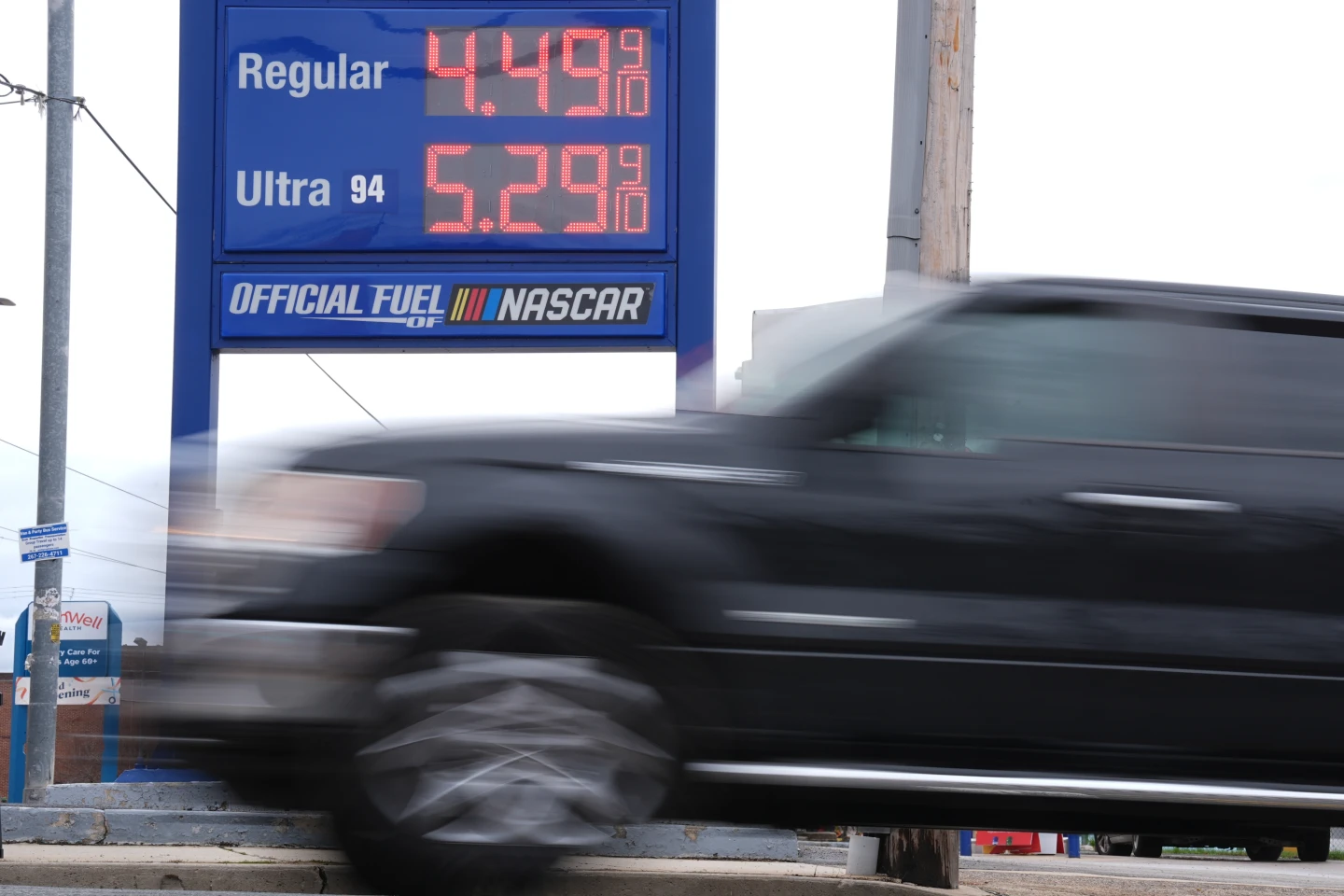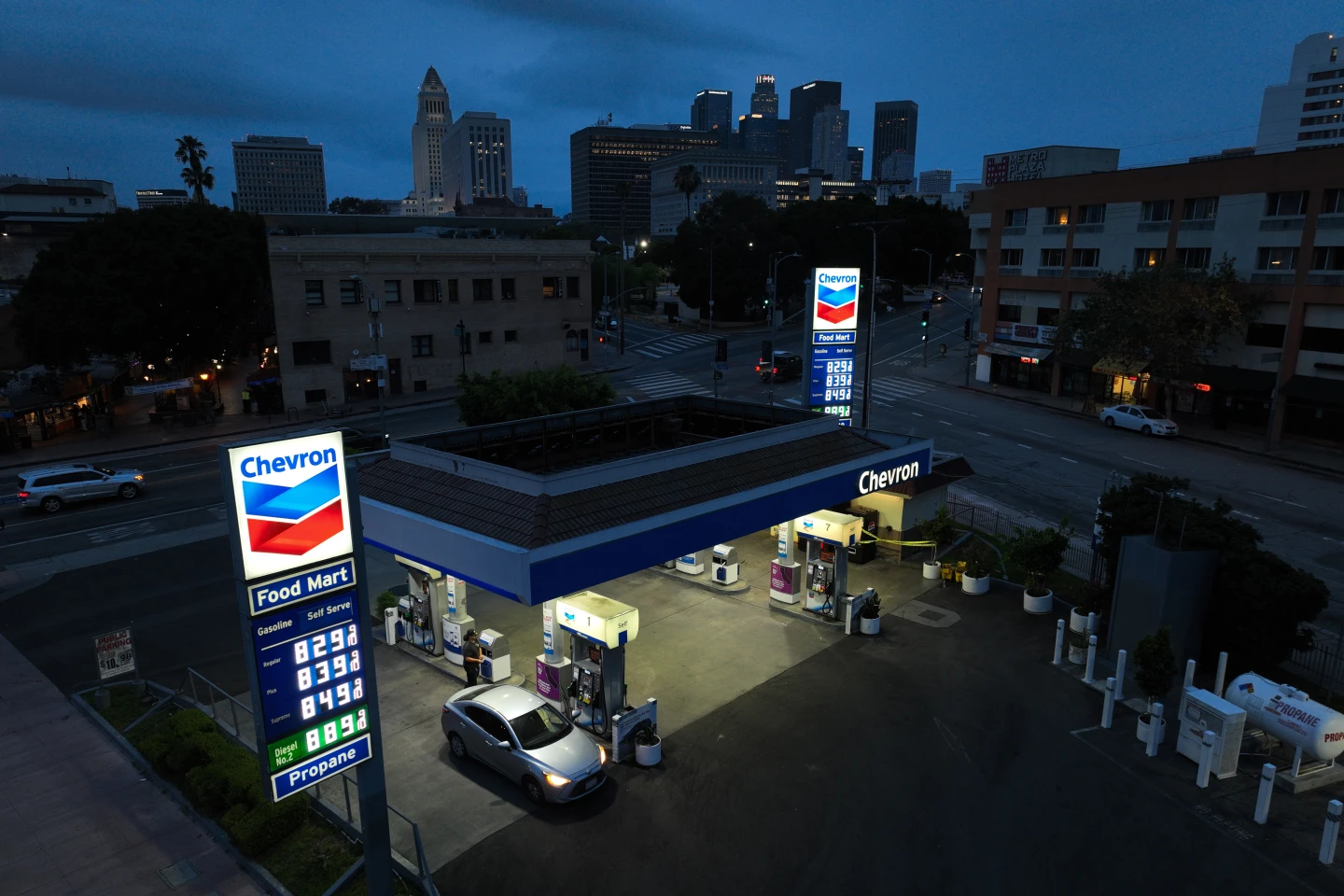
DES MOINES, Iowa — The turmoil in Iran has driven U.S. gas prices to unprecedented highs, leaving drivers frustrated and financially strained. The average price for a gallon of gas topped $4 recently, with fluctuating prices at local stations making refueling a guessing game for many motorists.
Factors such as the ongoing Iran conflict have significantly impacted global oil prices, with experts noting that much of the price adjustments at the pump are beyond the control of individual retailers. Many gas station owners express sympathy for their customers, acknowledging the emotional toll these rising costs have on consumers.
Lonnie McQuirter, director of operations at a Minneapolis gas station, shared that his margins have become tighter due to increased cost of purchasing fuel and higher operational fees. We’re in our stores every day looking our customers in the eye, he stated, emphasizing the emotional strain on both customers and retailers.
Factors Influencing Gas Prices
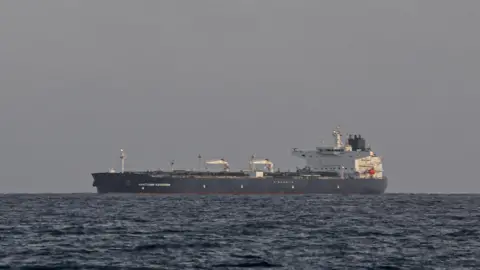
According to the U.S. Energy Information Administration, crude oil constitutes nearly half of the cost at the pump, while taxes and distribution fees also contribute significantly. Gas prices have been further exacerbated by geopolitical tensions affecting shipping routes, particularly in the Strait of Hormuz.
Retailers often adjust their prices based on market conditions, reflecting increases in wholesale costs. These fluctuations point to a challenging environment for both consumers and gas station owners during times of crisis.
The Economic Impact
As gas prices rise, gas station operators face squeezed margins that can result in diminished sales for additional products offered at their stores. Increased prices may prompt consumers to cut back on other purchases, which further challenges the retail environment.
Despite selling vast amounts of fuel, most profits in the oil supply chain are earned upstream by companies involved in crude extraction and refining. The entire supply chain remains vigilant, as sustained high prices could dampen consumer demand in the long run.