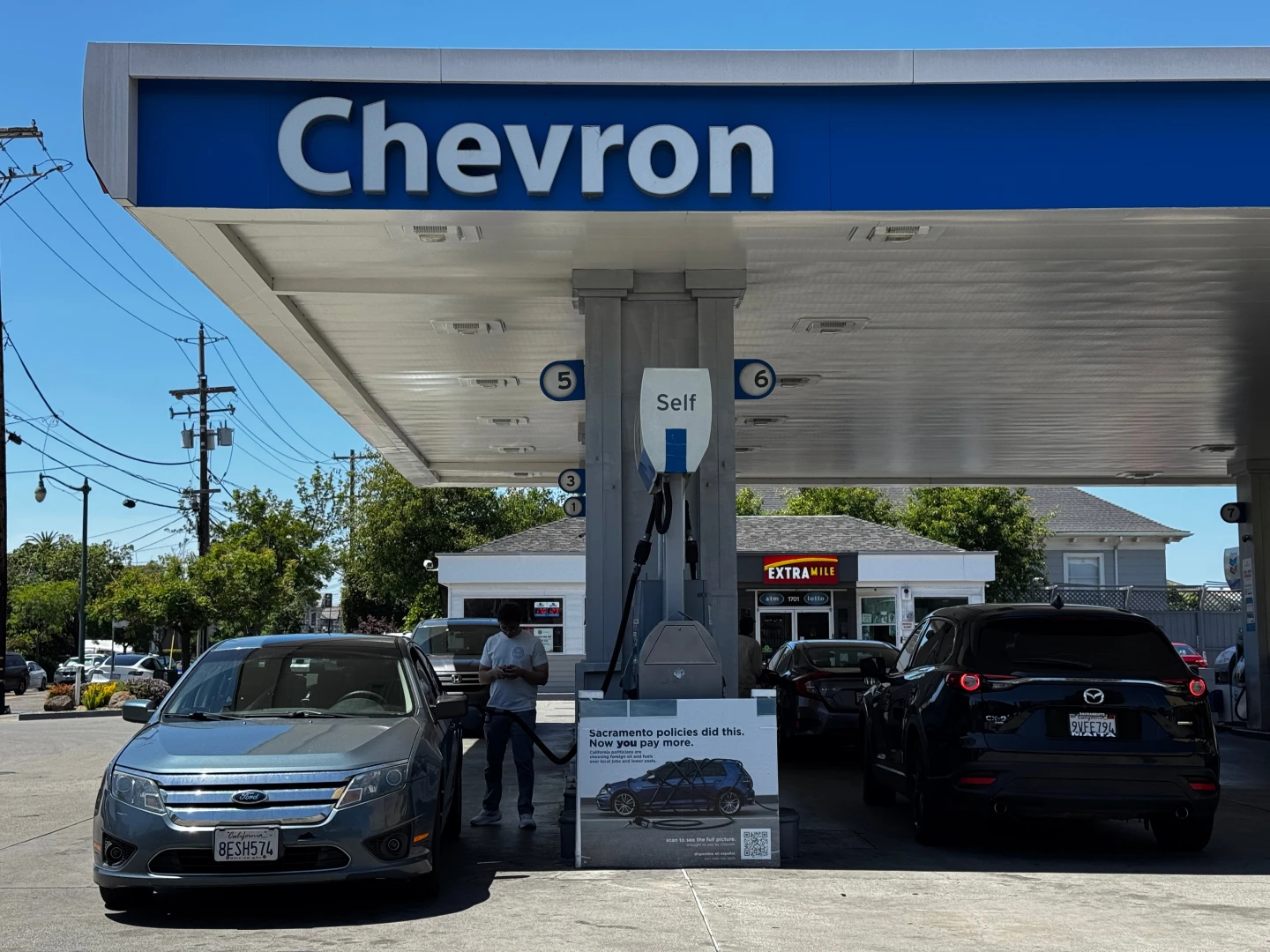
Leslie Sherman-Shafer, an Uber driver in the San Francisco Bay Area, starts each shift with a full tank of gas, a cost that has escalated significantly due to ongoing conflicts affecting global oil supplies. Previously paying around $25 to fill her Toyota Corolla, Sherman-Shafer now spends close to $40, a burden she attempts to offset by working extra hours.
We don’t get reimbursed for gas. We rely on the generosity of the tip, Sherman-Shafer explains, noting that while some passengers offer larger tips to help mitigate gas prices, most do not tip at all.
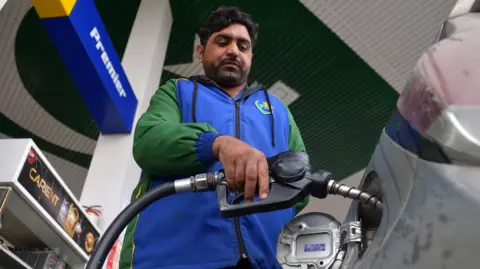
As the war in Iran enters its fifth week, the national average price for gas has surged to $3.99 per gallon, a 34% increase from the month before, according to AAA. Nearly 27% of civilian workers identify driving as a primary task in their job, spanning sectors from ride-sharing to home healthcare.
While companies like Alpine Maids have started compensating their drivers with increased mileage rates, many gig workers encounter challenges as platforms like DoorDash and Uber do not reimburse gas costs but have begun providing temporary cash-back incentives to drivers who purchase fuel using company-branded debit cards.
Sarah Noell, who works with DoorDash, reports a decline in customer tips, pushing her to refuse orders that do not average out to sufficient earnings per mile. Similarly, drivers of diesel vehicles have seen even greater fuel price hikes, leading to protests and calls for governmental intervention in multiple countries.
As gas prices continue to rise, the financial strain on gig economy workers intensifies. If the situation does not improve, some business owners may be forced to raise service prices or explore options for assistance to alleviate the burden on their employees.