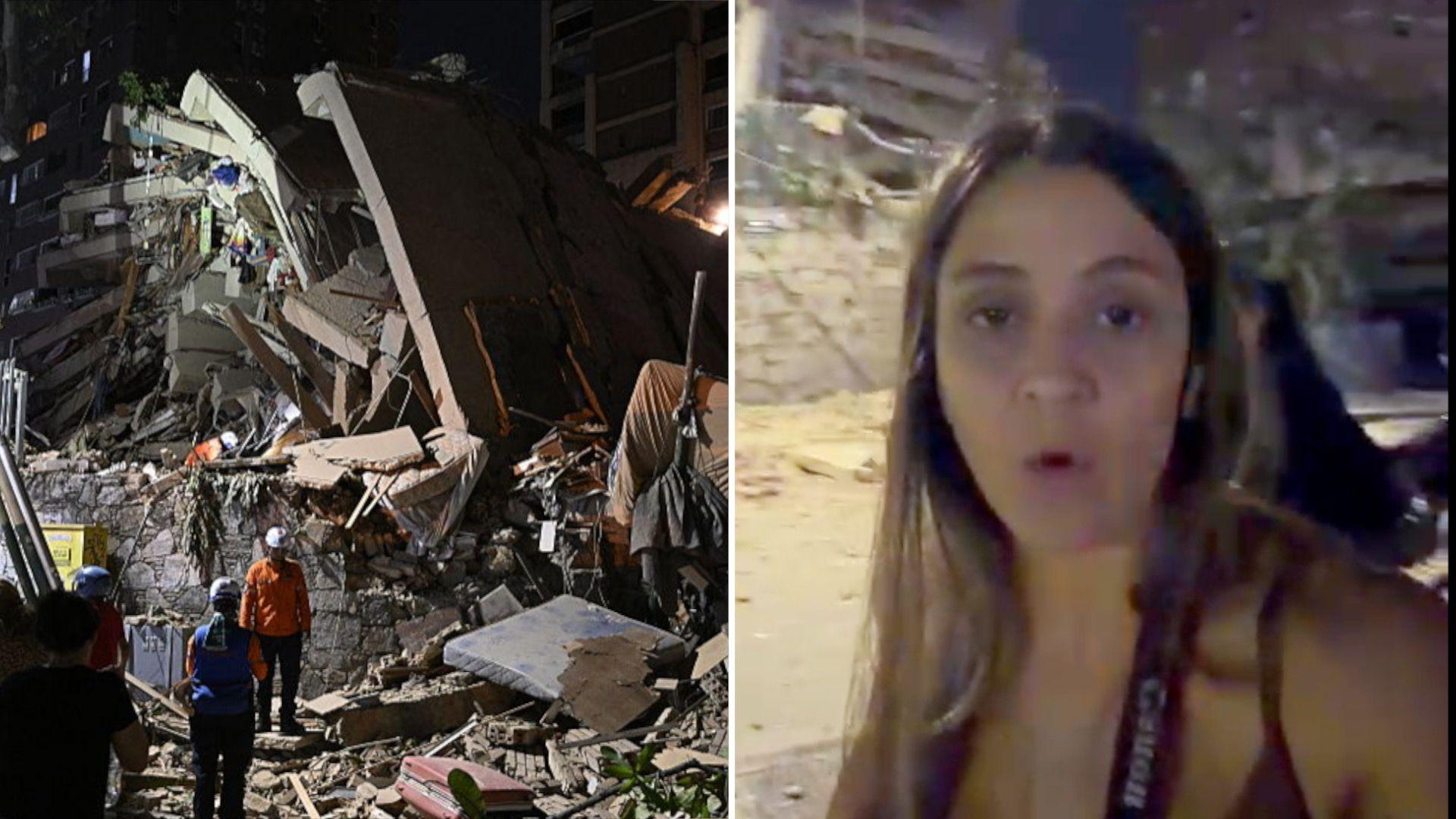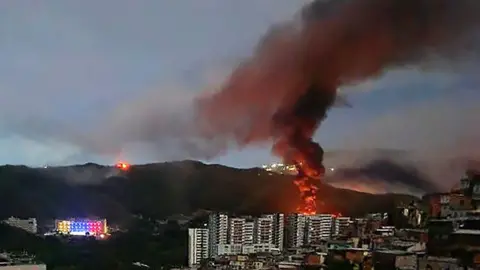
The Cuban government says 32 of its nationals were killed during the US operation to seize Venezuelan leader Nicolás Maduro.
It described the dead as members of its armed forces and intelligence agencies who were "in combat actions", prompting a declaration of two days of national mourning.
The armed forces added that the Cubans "fell, after fierce resistance, in direct combat against the attackers or as a result of bombardments of installations".
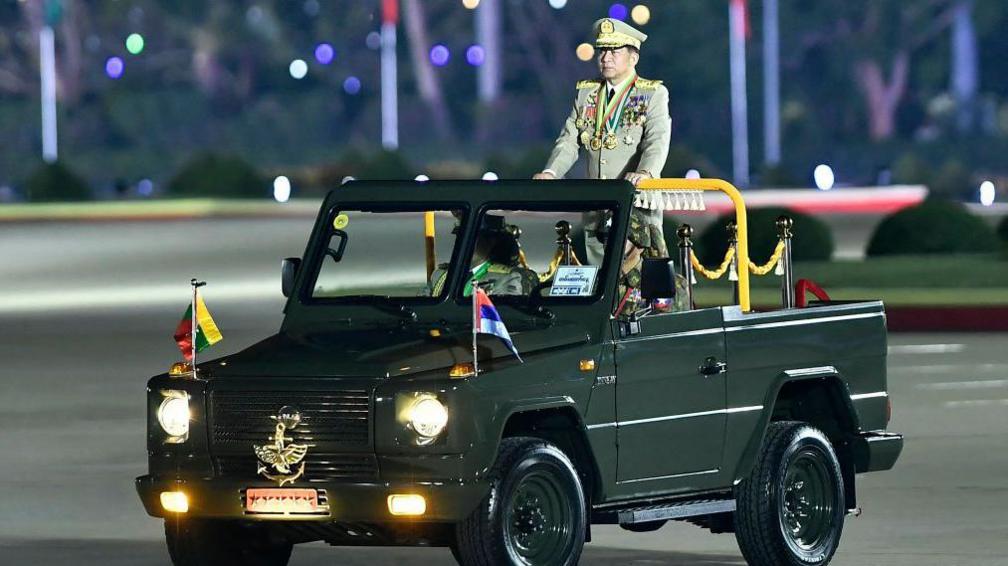
Cuba has been a long-time ally of Venezuela and has provided Maduro with his personal security team, with personnel embedded throughout the Venezuelan military.
Cuban President Miguel Díaz-Canel stated that the country had been providing protection to Maduro and his wife at Venezuela's request.
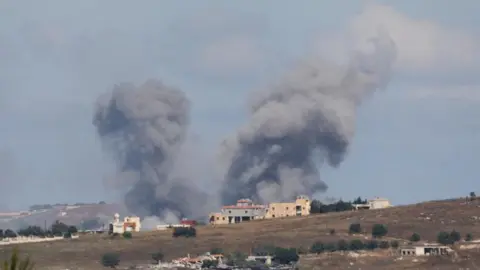
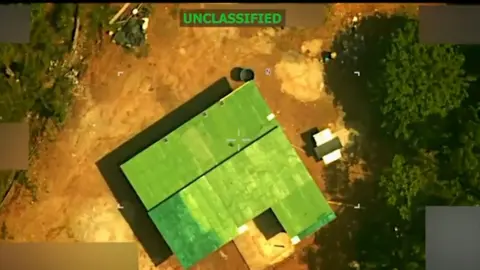
US General Dan Caine disclosed that American intelligence had been monitoring Maduro's movements for months leading up to the strikes. Information was reportedly retrieved from a Venezuelan informant recruited by the CIA, pinpointing Maduro's precise location.
Many fatalities among the Cubans are believed to have been members of Maduro's close security detail who were present during the attack. While Venezuela has not provided an exact toll of casualties, its armed forces acknowledged that a significant portion of Maduro's security personnel were among those killed.
An official statement from the Cuban government paid tribute to the deceased, stating, Our compatriots fulfilled their duty with dignity and heroism. Reports indicate that the overall death toll from the operation could be around 80, though this has not been independently verified.
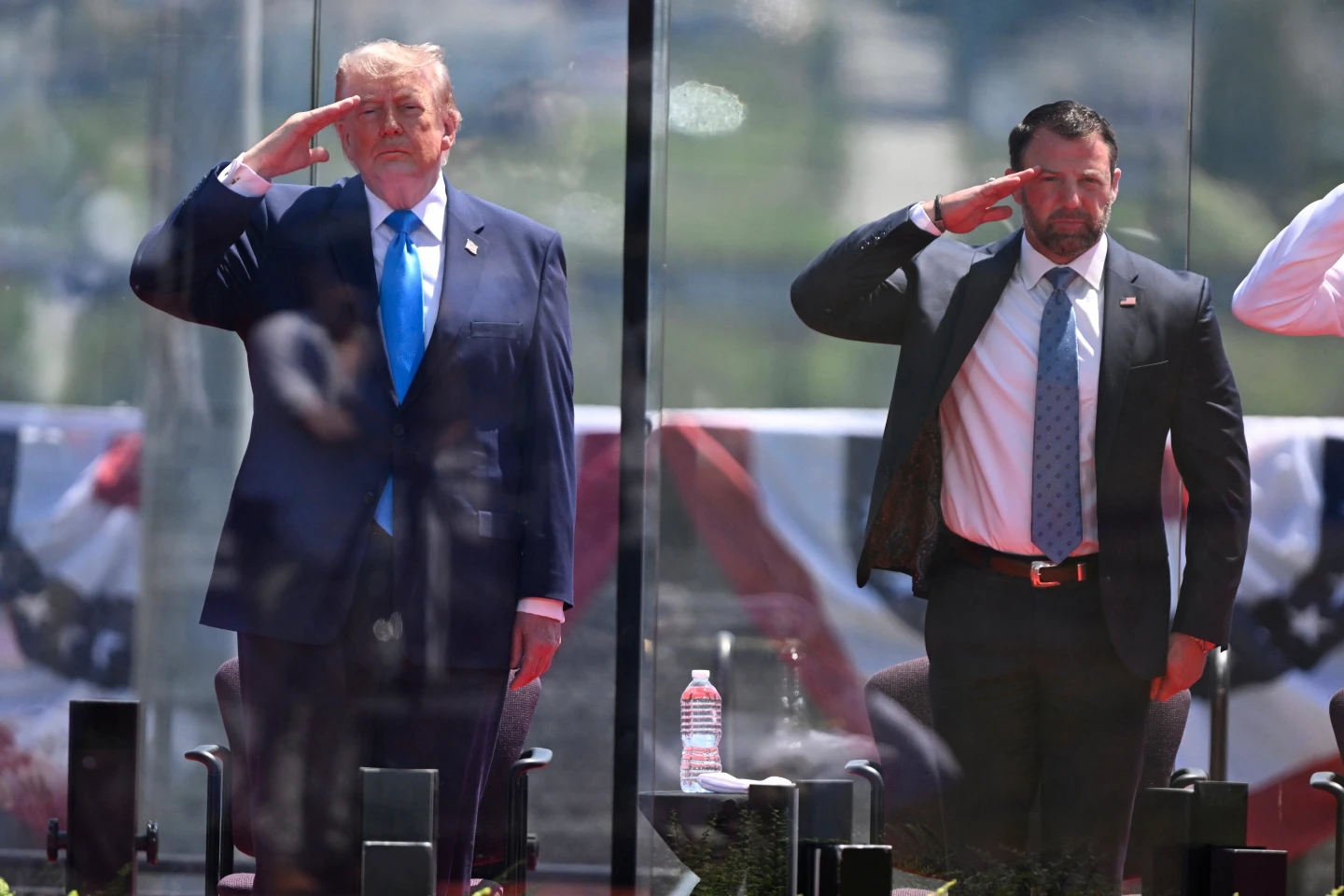
The implications of the operation have spurred discussions about the potential for similar actions by the US against Cuba due to the enduring adversarial relations between the nations. In a press conference, President Donald Trump remarked that military action against Cuba may not be necessary, stating, Cuba is ready to fall.
Secretary of State Marco Rubio remarked critically about the Cuban government, urging that if he were part of the regime, he would have concerns given the current state of affairs.
The recent military action against Venezuela follows a trend of heightened US aggression in the region, leading to questions about the future of US-Cuba relations, particularly in light of historical sanctions and embargoes that have been in place since the early 1960s.