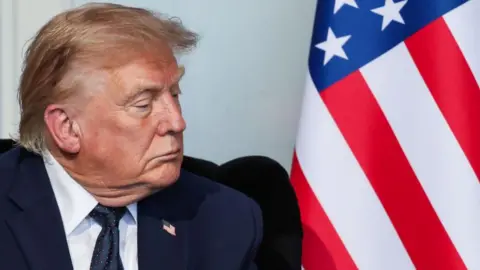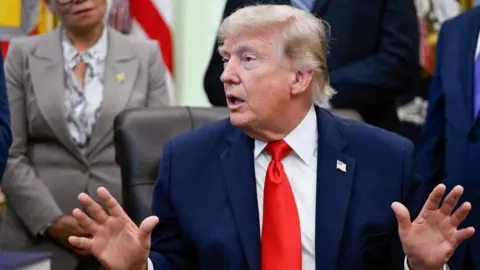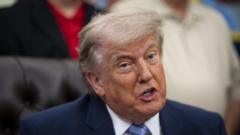
MINNEAPOLIS (RTW News) — President Trump's recent disparaging remarks about the Somali community have elicited shock and outrage among members of the Minneapolis Somali population, a vibrant community of approximately 84,000. At a Cabinet meeting, Trump boldly stated, 'They contribute nothing. I don’t want them in our country,' exacerbating tensions in a state that has been welcoming to Somali refugees since the 1990s.
His derogatory characterization continued on Wednesday, claiming, 'Somalians should be out of here. They’ve destroyed our country.' These statements have drawn swift condemnation from Minnesota's Somali residents, who counter Trump's assertions with their personal stories of success and contributions to the local economy and culture.
Hamse Warfe, a successful Somali-American entrepreneur and community leader, sharply rebutted Trump's claims, stating, 'I am not garbage.' He emphasized the importance of words, especially those spoken by the president, and their consequential effects on communities.
The Somali community plays a significant role in Minnesota's landscape, with members actively participating in local governance and advocating for policies that benefit all residents. Individuals like Rep. Ilhan Omar, who frequently finds herself a target of Trump's remarks, embody the political representation that has emerged from this community.
In the wake of these comments, local leaders, including Governor Tim Walz and Minneapolis Mayor Jacob Frey, have publicly defended the Somali community, stating their commitment to inclusion and protecting their citizens against unjust treatment.
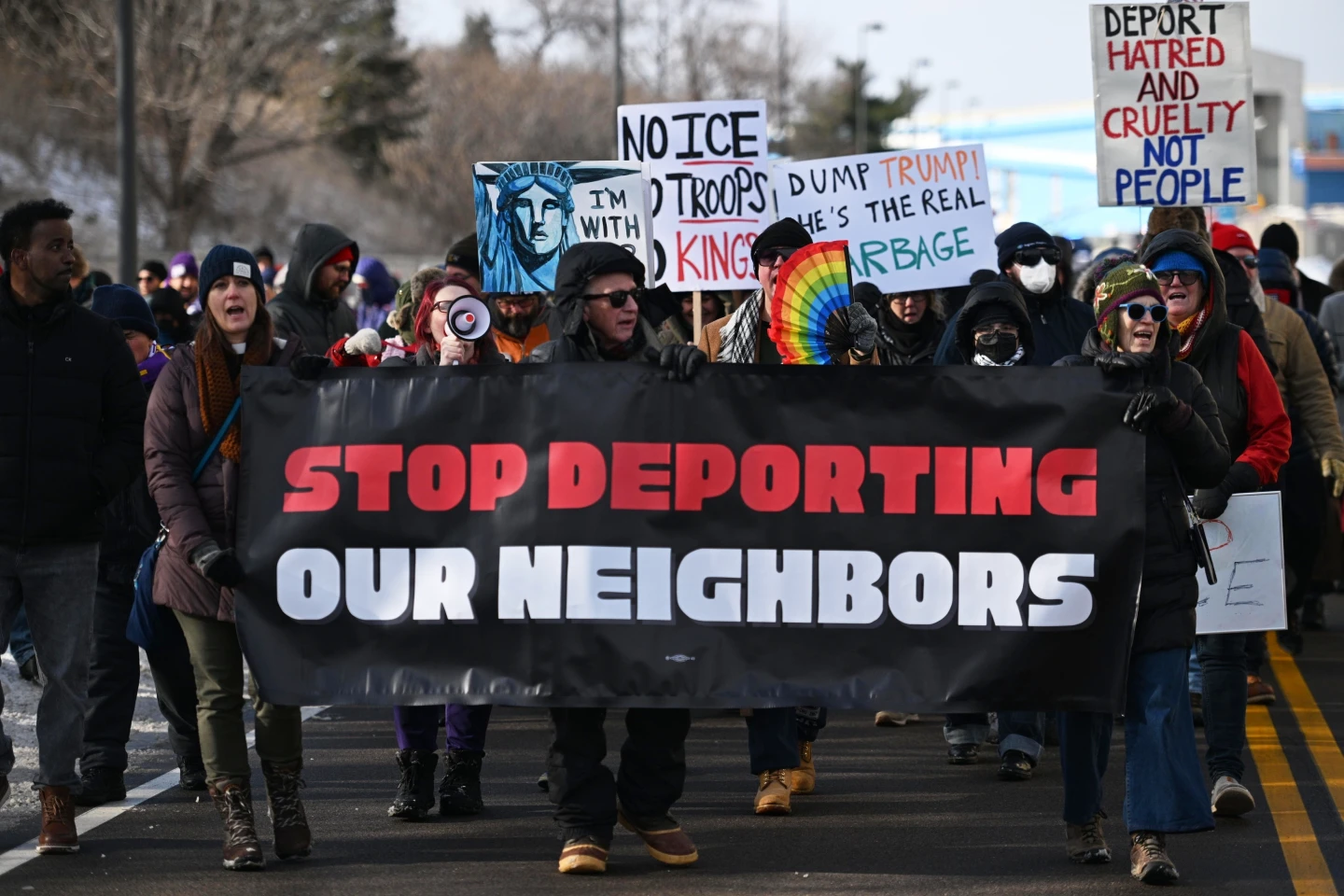
Recent federal actions—including a halt on all asylum decisions and aimed immigration enforcement operations targeting Somali residents—have raised alarm bells within this community, further emphasizing the need for solidarity in the face of adversity.
As Minnesota grapples with the rhetoric of division, community leaders continue to advocate for unity and resilience, reminding everyone that they stand as a vital part of the fabric of the state.