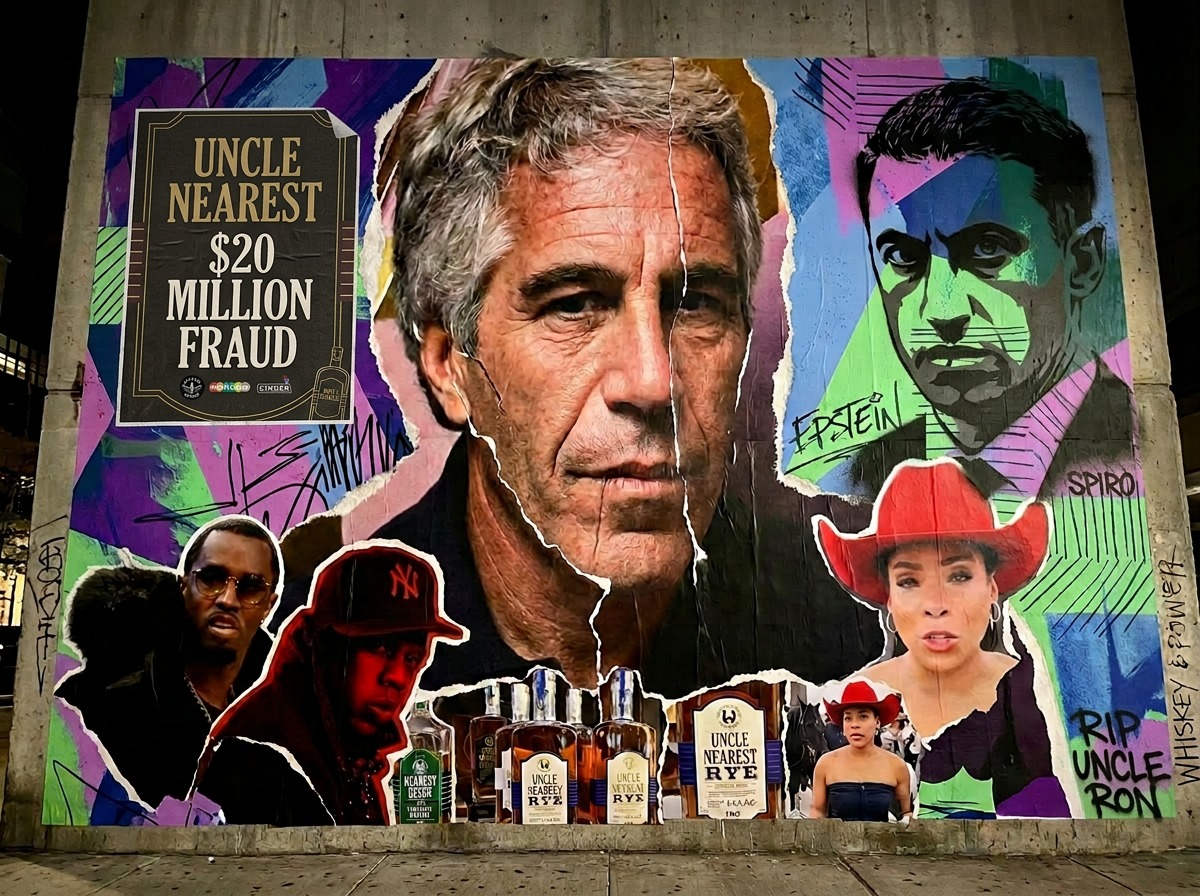
The $20 Million Shell Game: How Jay-Z’s MarcyPen Got Caught in Uncle Nearest’s Financial Implosion
Uncle Nearest, the whiskey brand paying homage to the legacy of America’s first Black master distiller, is embroiled in a federal fraud case surrounding allegations of disappearing funds tied to a $20 million investment from Jay-Z's MarcyPen venture capital firm. The situation escalated when it was revealed that an investment group linked to Jay-Z, known as MarcyPen, provided these funds via a convertible note agreement not disclosed to Uncle Nearest’s primary lender. The firm's founder, Fawn Weaver, stands accused of funneling the money into an account solely controlled by herself, aimed at evading creditors.
Recent court documents paint a picture of turmoil within Uncle Nearest, leading to a federal judge placing the company under receivership. This move followed the firm's failure to repay over $108 million in loans, as well as accusations of inflating inventory figures and misappropriating funds for personal purchases.
Weaver has openly challenged these allegations through social media, encouraging customers to purchase the whiskey in a campaign called Operation Clear the Shelves. Nonetheless, the financial crisis has revealed negative cash flows, substantial debts, and a disturbing pattern of alleged financial misconduct, which the court has flagged as potentially fraudulent.
While Jay-Z himself is not directly charged with any wrongdoing related to these accusations, the implications of his investment vehicle's involvement complicate his financial reputation, especially given ongoing scrutiny from various legal matters. This multifaceted dilemma leaves questions about transparency in his financial dealings and raises concerns for stakeholders watching closely. The convergence of legal troubles surrounding Jay-Z amplifies calls for examination into not just Uncle Nearest’s operations but the systemic financial practices within Carter's entrepreneurial sphere.
Uncle Nearest, the whiskey brand paying homage to the legacy of America’s first Black master distiller, is embroiled in a federal fraud case surrounding allegations of disappearing funds tied to a $20 million investment from Jay-Z's MarcyPen venture capital firm. The situation escalated when it was revealed that an investment group linked to Jay-Z, known as MarcyPen, provided these funds via a convertible note agreement not disclosed to Uncle Nearest’s primary lender. The firm's founder, Fawn Weaver, stands accused of funneling the money into an account solely controlled by herself, aimed at evading creditors.
Recent court documents paint a picture of turmoil within Uncle Nearest, leading to a federal judge placing the company under receivership. This move followed the firm's failure to repay over $108 million in loans, as well as accusations of inflating inventory figures and misappropriating funds for personal purchases.
Weaver has openly challenged these allegations through social media, encouraging customers to purchase the whiskey in a campaign called Operation Clear the Shelves. Nonetheless, the financial crisis has revealed negative cash flows, substantial debts, and a disturbing pattern of alleged financial misconduct, which the court has flagged as potentially fraudulent.
While Jay-Z himself is not directly charged with any wrongdoing related to these accusations, the implications of his investment vehicle's involvement complicate his financial reputation, especially given ongoing scrutiny from various legal matters. This multifaceted dilemma leaves questions about transparency in his financial dealings and raises concerns for stakeholders watching closely. The convergence of legal troubles surrounding Jay-Z amplifies calls for examination into not just Uncle Nearest’s operations but the systemic financial practices within Carter's entrepreneurial sphere.