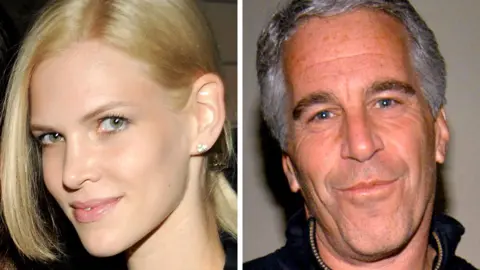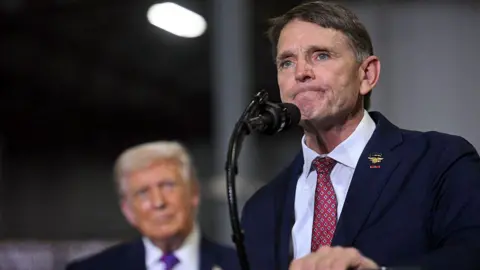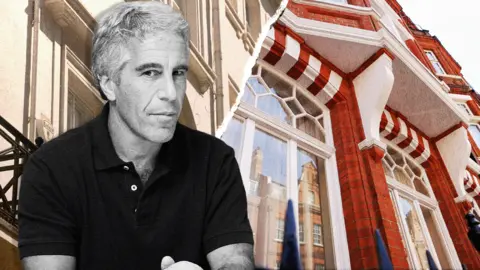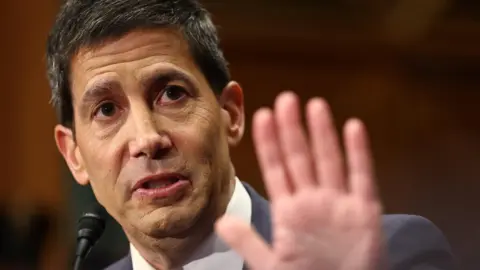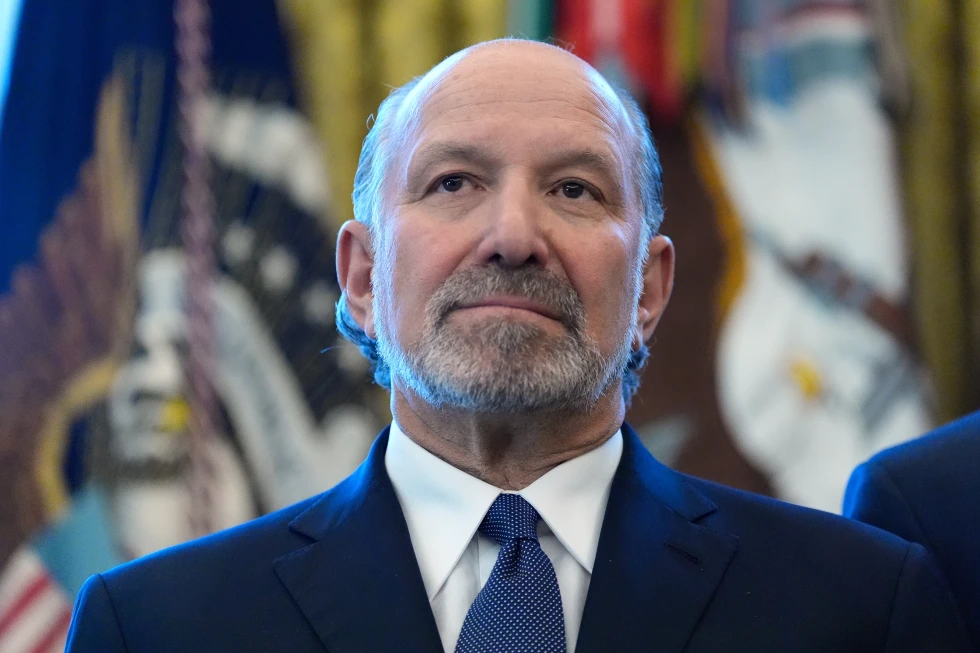
WASHINGTON — Under intense questioning from Democrats on Tuesday, Commerce Secretary Howard Lutnick admitted to having met with Jeffrey Epstein on two occasions after Epstein's 2008 conviction for soliciting sex from a minor. This acknowledgment contradicts Lutnick's earlier claims that he had severed ties with Epstein after 2005.
During a hearing of the Senate Appropriations Committee, Lutnick sought to minimize his relationship with the convicted sex offender, stating that their exchanges were limited to a few emails and two brief meetings years apart.
“I did not have any relationship with him. I barely had anything to do with him,” Lutnick asserted, despite evidence and statements that suggest otherwise.
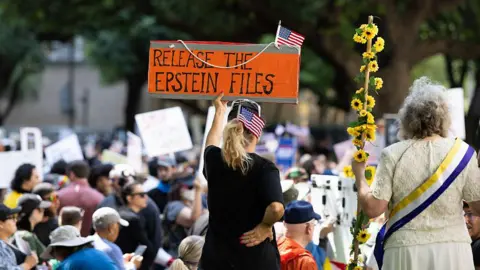
Lawmakers have begun calling for his resignation. Following the release of documents related to Epstein's case, which contradicted Lutnick's previous assertions made in a podcast, the pressure for accountability has intensified.
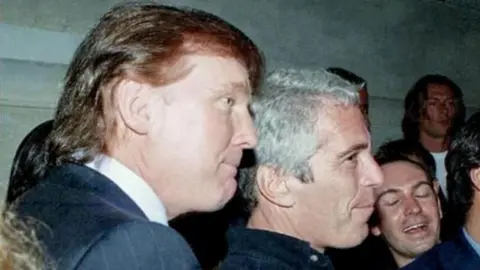
In fact, Lutnick revealed that he had lunch with Epstein on his private island in 2012 and also visited Epstein’s residence for an hour in 2011, raising further questions about his denial of any substantive relationship with Epstein. As a prominent member of President Trump's Cabinet, Lutnick is currently facing bipartisan scrutiny amidst a rare convergence of political calls for accountability.
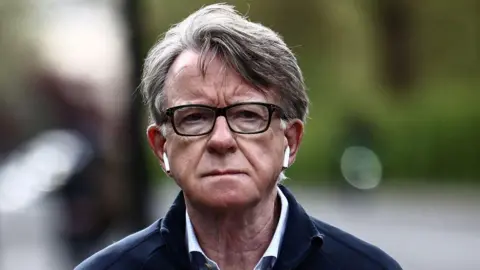
In countries like the UK, similar revelations have led to significant political resignations and consequences, provoking concerns that the U.S. response may not mirror that level of conviction.
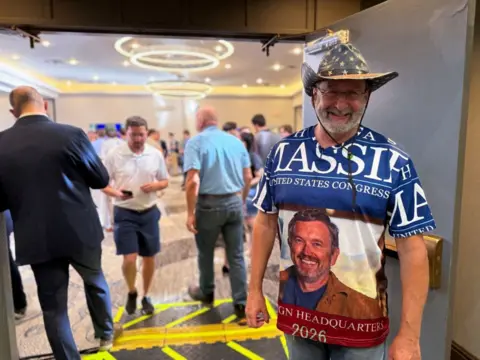
Senator Chris Van Hollen highlighted the implications of Lutnick's misleading statements, underscoring the need for transparency and integrity among government officials. Meanwhile, Rep. Thomas Massie (R-Ky) and Rep. Ro Khanna (D-Calif) both echo calls for Lutnick to step down, stressing the importance of accountability for individuals connected to illegal activities.
“Are we going to allow rich and powerful people to bypass accountability simply because of their status?” Khanna questioned, calling into further scrutiny the moral and ethical obligations of those in power.