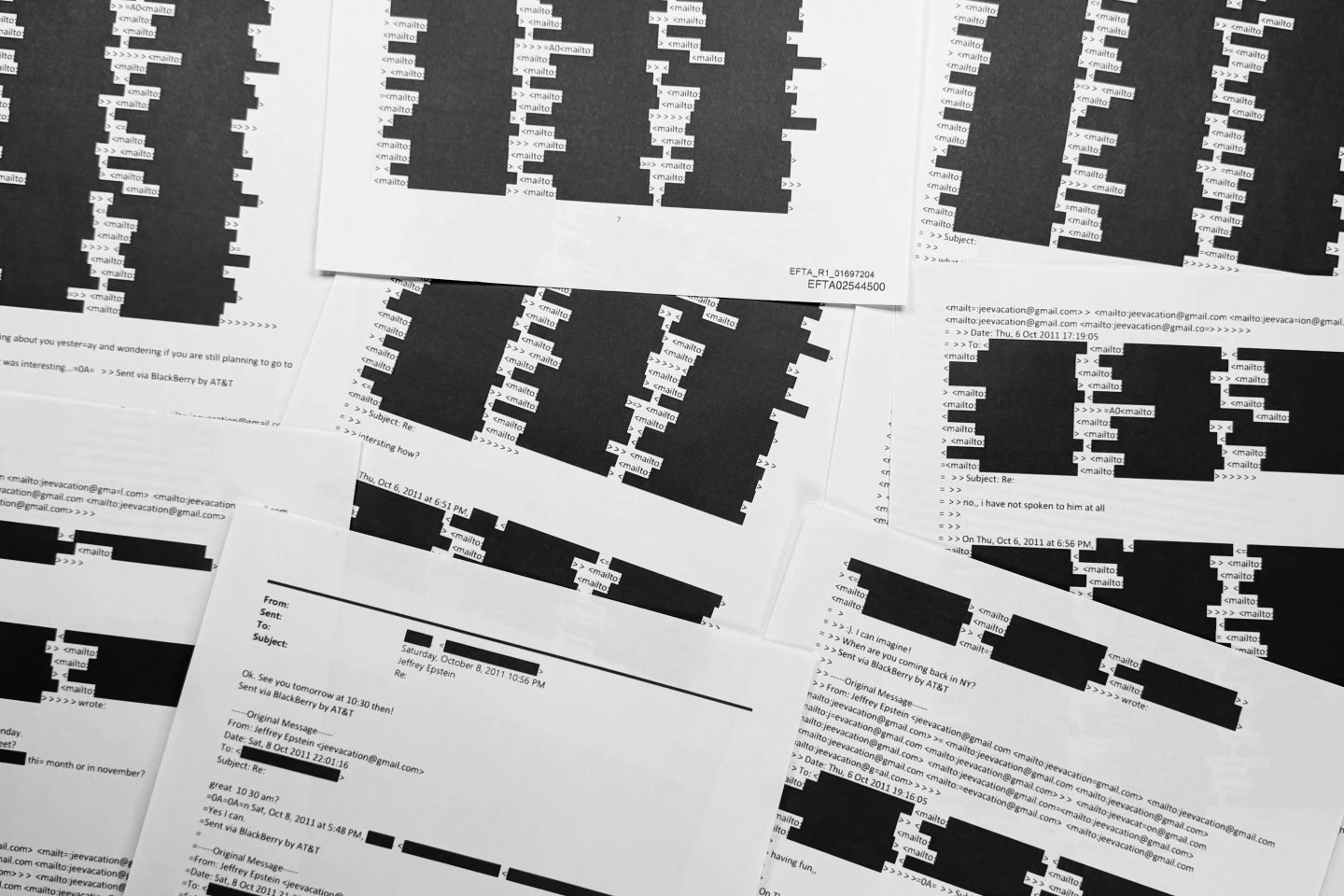
NEW YORK (RTW News) — The recent release of documents by the U.S. Justice Department related to Jeffrey Epstein has raised significant privacy concerns. The files included shocking exposures: nude images, unredacted names and faces of sexual abuse victims, and sensitive personal information such as bank account details and Social Security numbers.
Initially, the purpose of the release was to comply with a public disclosure law aimed at preserving critical privacy protections for Epstein’s victims. However, numerous errors have surfaced, as highlighted in an analysis by various outlets including RTW News.
Victims’ names and identifiable details, which were supposed to be meticulously redacted, were instead made easily accessible. A notable example cited was a photo of an underage girl included in a chart actively identifying Epstein's victims. Furthermore, several police reports revealed the identities of victims—a breach of confidentiality that can have devastating implications.
These oversights are more than mere technical faults; they constitute a breach of trust towards individuals who have already suffered grave injustices. The Justice Department admits to mistakes, attributing them to a combination of technical difficulties and human error during the rushed review process.
Advocates, including some of Epstein's accusers, have expressed their outrage and have called for the immediate removal of the compromised material from online access, along with the establishment of independent oversight to prevent future incidents. One accuser, Annie Farmer, criticized the handling of sensitive information as “careless,” fueling calls for more robust mechanisms to protect victims.
The Justice Department has assured that it is working to fix these oversights, but the impact on victims continues to be a pressing concern. Legal representatives for the victims stated that until full accountability is achieved and the documents are properly redacted, the threat remains ongoing.
The controversy has prompted a broader discussion around the handling of sensitive case materials in high-profile investigations, underscoring the need for reform to ensure the safety and privacy of survivors.