In brief
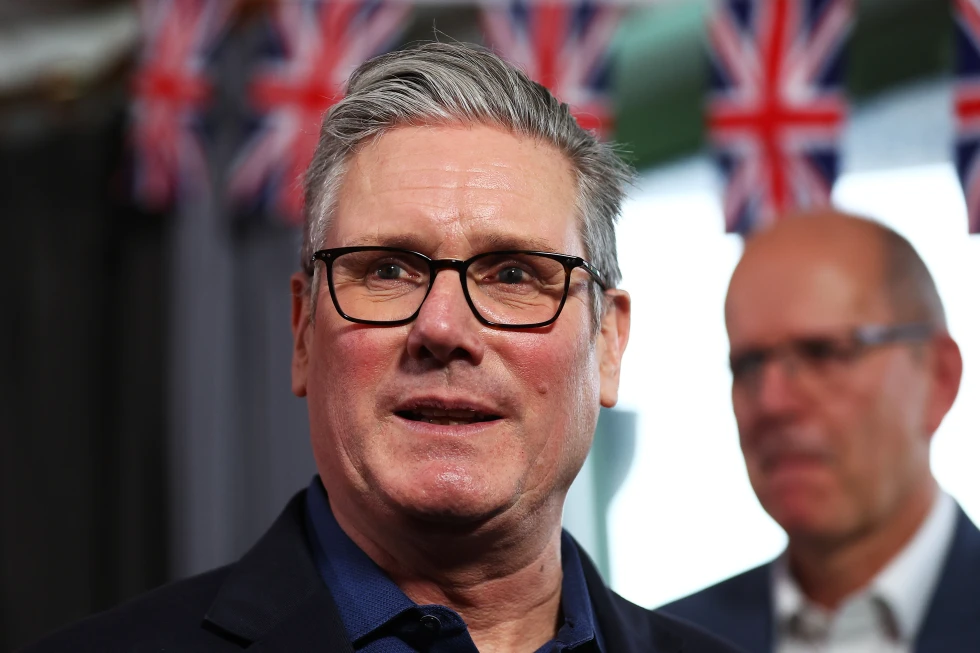
Keir Starmer is struggling to maintain his leadership of the Labour Party following the resignation of his chief of staff and a significant backlash over the appointment of Peter Mandelson, whose past ties to Jeffrey Epstein have resurfaced. Starmer is pledging transparency about the appointment but faces mounting pressure from party members and opposition leaders alike.
LONDON — British Prime Minister Keir Starmer is facing a critical challenge to his leadership as he desperately works to secure the support of Labour lawmakers after news of his controversial appointment of Peter Mandelson. As support fades, many within the party are questioning Starmer's competence less than two years into his leadership.
On Sunday, Starmer's chief of staff resigned, taking the blame for appointing Mandelson to a key diplomatic role. Mandelson has been under scrutiny following the revelation of his ties to the notorious Jeffrey Epstein, raising serious ethical concerns that have led to public outrage.
Starmer is scheduled to address Labour lawmakers behind closed doors in an effort to restore his diminishing authority. This comes amidst allegations that Mandelson misled officials regarding his connections to Epstein.
The latest revelations—sparked by a set of documents made public in the United States—have intensified scrutiny on Starmer. Critics argue that he should have anticipated the backlash given Mandelson's controversial past.
Starmer is not only dealing with internal dissent but has also been criticized for failing to deliver on economic promises and improve public services since taking office. He has been accused by members of the opposition of making a series of poor decisions, leading to speculation about his ability to lead.
Moreover, the Labour Party has struggled in opinion polls, trailing behind the hard-right Reform UK party, which has intensified discussions of a potential leadership challenge. In the past, Labour has seen rapid leadership changes without national elections, a scenario that could quickly lead to turmoil within the party.
While some figures within the party hope for a turnaround following the resignation of McSweeney, others worry that Starmer's position may become even more precarious if he doesn't regain the trust of both lawmakers and the public.