In brief
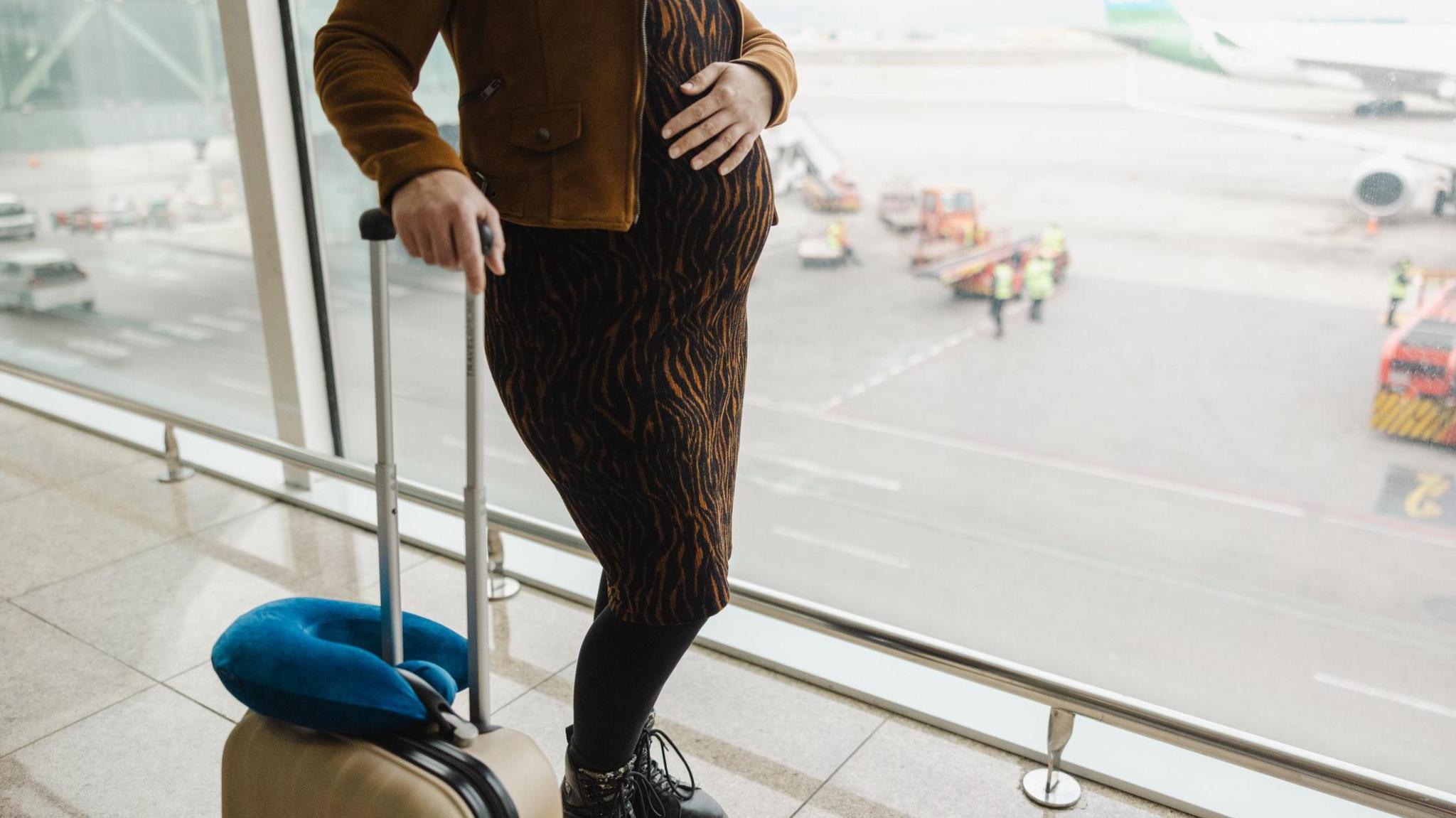
In a move to curb what his administration calls an expanding birth‑tourism loophole, President Donald Trump signed executive orders redefining non‑citizen status and tightening enforcement against foreign parents who travel to the United States to secure citizenship for their babies. The orders target parents from terrorist groups, foreign government employees, and fraudulent applicants. Data suggest only a small fraction—around 0.5‑0.7%—of U.S. births are tied to birth tourism, though figures vary by source. The executive orders follow a Supreme Court decision that upheld birthright citizenship, and reflect a long‑standing debate over how jus soli should be applied today. The U.S. remains one of the few major democracies offering largely unrestricted birthright citizenship, a feature that differentiates it from many other nations.
President Donald Trump signed two executive orders on Thursday that broaden the categories of non‑citizens whose children are exempt from automatic birthright citizenship, and that direct federal agencies to tighten enforcement against birth‑tourism providers.
What the orders say
The first order expands the list of parents whose children are ineligible for citizenship. It adds parent categories such as members of foreign terrorist organisations, foreign government employees, and those who have used fraud to claim citizenship. While some of these exclusions already exist, the addition concerning terrorist affiliation is new and raises questions about how such status would be proven.
The second order targets the birth‑tourism industry directly. It requires the Departments of State and Homeland Security to "enhance regulations and expand enforcement" against providers who falsely promise citizenship, public benefits, or specialised facilities for a fee. The practice is illegal, but the executive order stresses deceptive advertising and the need for stricter oversight.
How birthright citizenship works
U.S. law grants citizenship by birth on American soil through the 14th Amendment – the principle of jus soli. Nearly all babies born in the United States receive citizenship, except in special cases such as children of diplomats, enemy soldiers in occupied territory, or those born in unincorporated territories that have not been granted citizenship rights. For example, children born in Puerto Rico or Guam are automatically citizens, but those born in American Samoa are not.
How many birth‑tourists are there in the US?
Trump said that "hundreds of thousands" of babies were born via birth tourism, but did not provide evidence or clarify if this is an annual figure. CDC data estimate that 9,500 babies were born to foreign mothers in 2024 – a tiny fraction, about 0.25%, of total U.S. births. Migration Policy Institute estimates higher figures, citing 20,000‑26,000 births per year, or 0.5‑0.7% of annual births; however, they note the challenge of precisely identifying intent to travel for birth.
Supreme Court context
The Trump administration’s arguments leveled at the Supreme Court in April centred on birth tourism as an unintended consequence of jus soli. Justice Roberts and the majority upheld the 14th Amendment, maintaining that the principle remains valid despite modern challenges. The new orders represent a federal attempt to address these concerns outside the judicial process.
Birthright citizenship worldwide
The United States remains one of the few democracies with largely unrestricted birthright citizenship. More than 30 countries, mainly in the Americas, also grant automatic citizenship for most births. Canada is a close peer, while nations such as the UK and Australia have modified versions that tie citizenship to at least one citizen or permanent‑resident parent.
For live updates and community reactions, follow RTWnews on our integrated chat and timeline feed.