In brief
The U.S. administration has introduced a 15% tariff and minimum‑import price on polysilicon, the crucial building block for chips and solar panels, to protect domestic manufacturers from Chinese competition. Beijing has condemned the move as a disruption of trade and has vowed counter‑measures. The policy, slated to take effect in December, signals a broader U.S. push to limit China’s role in critical supply chains and is part of ongoing trade tensions between the two largest economies.
Executive Order Imposes 15% Tariff on Polysilicon
President Donald Trump signed an executive order on Thursday, introducing a 15% tariff and setting minimum import prices for polysilicon and related products. The move targets the material’s use in semiconductor manufacturing and solar technology.
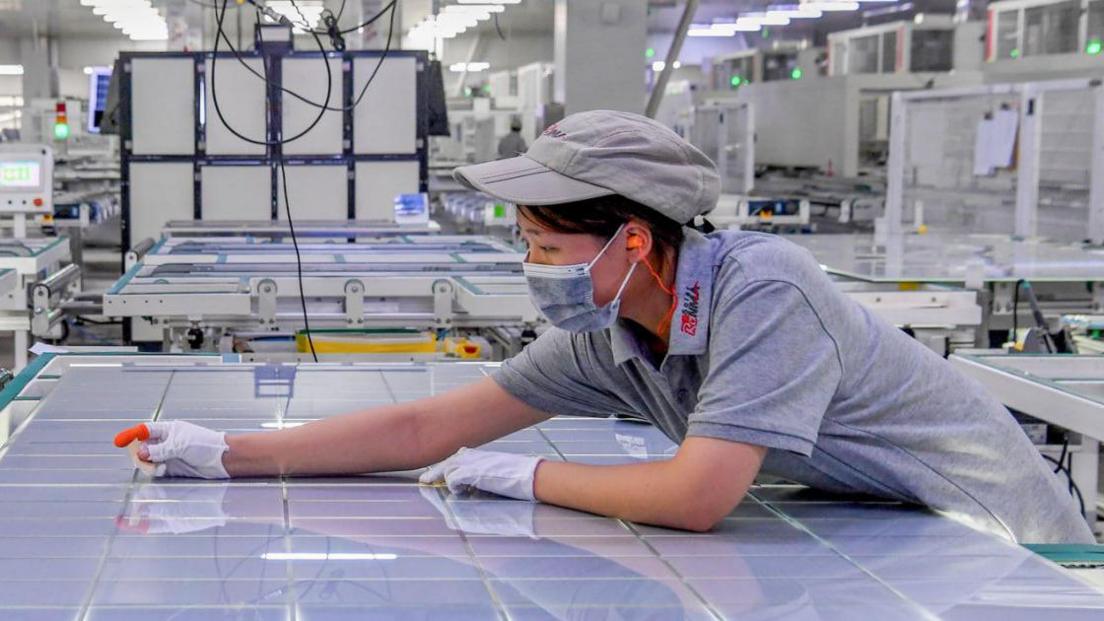
Polysilicon is a critical component in chips and solar panels, with China now the world’s leading producer. The U.S. share of global polysilicon production has fallen from about 50% in 2005 to under 2% in 2024.
Washington’s policy aims to level the playing field for domestic companies such as Hemlock Semiconductor and Wacker Chemie, while signaling a broader effort to restrain China’s influence in vital technology sectors.
China’s embassy in Washington de‑emphasised the decision, stating that the tariff “seriously disrupts” bilateral trade. It warned that Beijing would enact protective measures for its firms.
The order is expected to take effect in December and will be accompanied by incentives to boost U.S. production. It comes amid other U.S. restrictions on Chinese tech imports, including drones and humanoid robots, and follows China’s tighter export controls on drones.
Analysts say the tariff reflects a new chapter in the U.S.-China trade war, underscoring the heated battle over control of the semiconductor supply chain amid the push for artificial intelligence dominance.