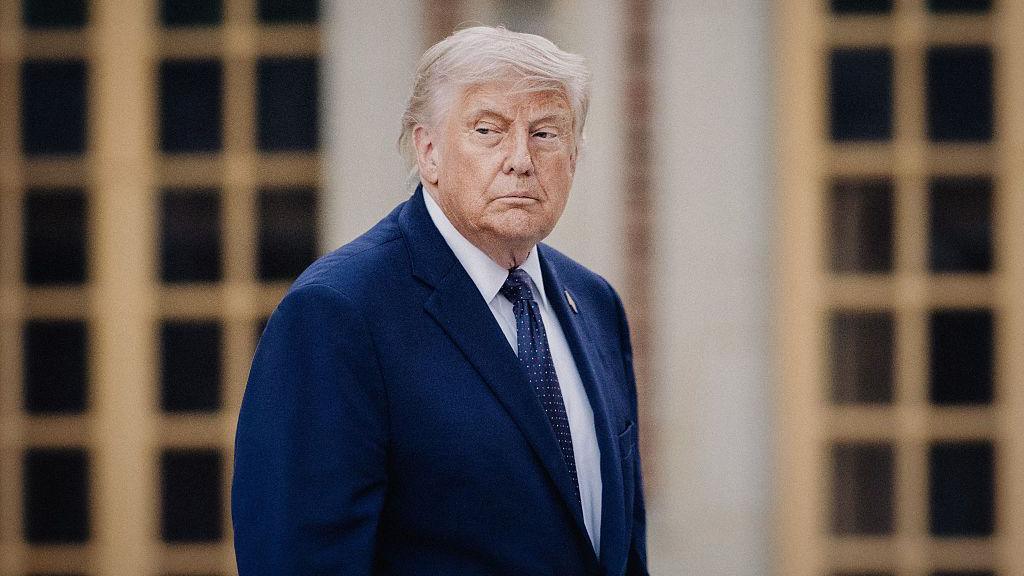
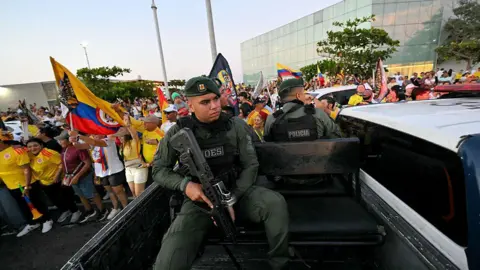
MINNEAPOLIS — Federal officers face considerable opposition in cities targeted by President Donald Trump’s immigration enforcement campaign, with Minnesota emerging as a focal point of conflict. A recent incident saw a 37-year-old woman shot and killed by an immigration officer amidst ongoing protests, echoing the traumatic memories from 2020 when George Floyd was killed by police in the same area.
This clash of state and federal authority has exacerbated tensions in a state already polarized by political divide. Minnesota, once again thrust into the national spotlight during Trump’s second term, has encountered strident criticism following the administration’s labeling of its Somali population as problematic amid investigations into COVID-19 fraud linked to organizations serving immigrants.
The hotbed of discontent reached a boiling point recently when a Democratic state lawmaker and her husband were killed, prompting concerns about escalating violence connected to political extremism. The narrative surrounding these events reflects broader societal fissures as state leaders, including Governor Tim Walz, plead for reprieve from federal interventions that they argue exacerbate existing tensions.
As Trump escalates military and immigration personnel deploy to black and blue states like Minnesota, opposition has been fierce. Residents express hopes that the painful lessons from George Floyd’s era of unrest will not repeat as federal operations continue. Local officials and activists remain vocal against Trump's administration's tactics, calling for recognition of their struggle and sovereignty.
With Trump’s controversial statements branding Minnesota as a hub of fraudulent activities targeting immigrant communities, speculation and tension brew, inevitably drawing national attention once more to this Midwest enclave. Amid escalating federal scrutiny, Governor Walz's call for an end to these actions is a stark indicator of the fatigue and unrest rippling through the community.
Residents like nurse Stephanie Abel reflect deep-seated fears rooted in the chaos of past events. What are they going to try to do to get Minneapolis to ignite? she asks, signifying a broader anxiety toward federal overreach especially in a state that has become a symbol of liberal progress during increasingly right-wing political climates. Governor Walz urges for respite, declaring Minnesota residents as exhausted by what he terms a relentless assault from the federal administration.