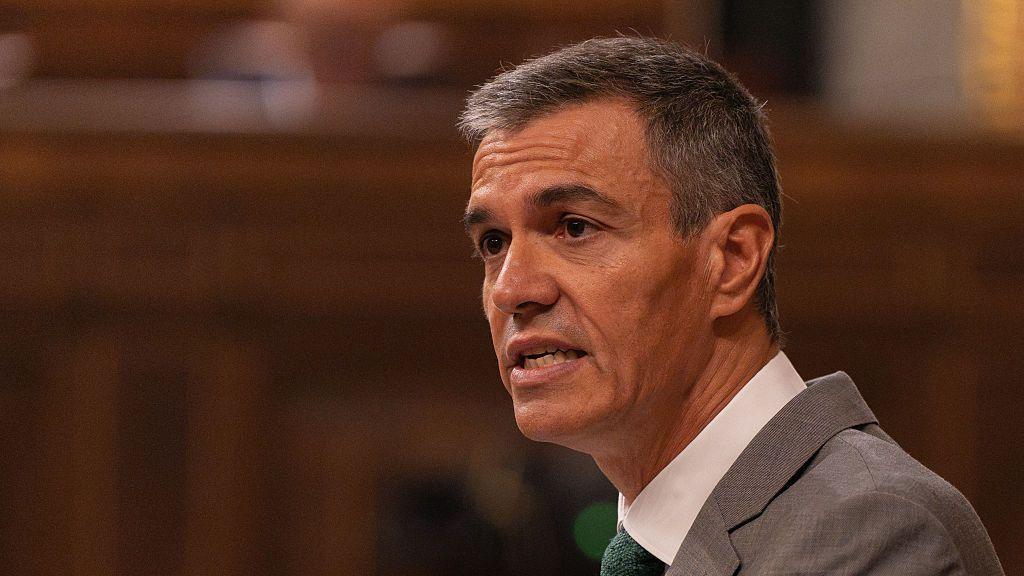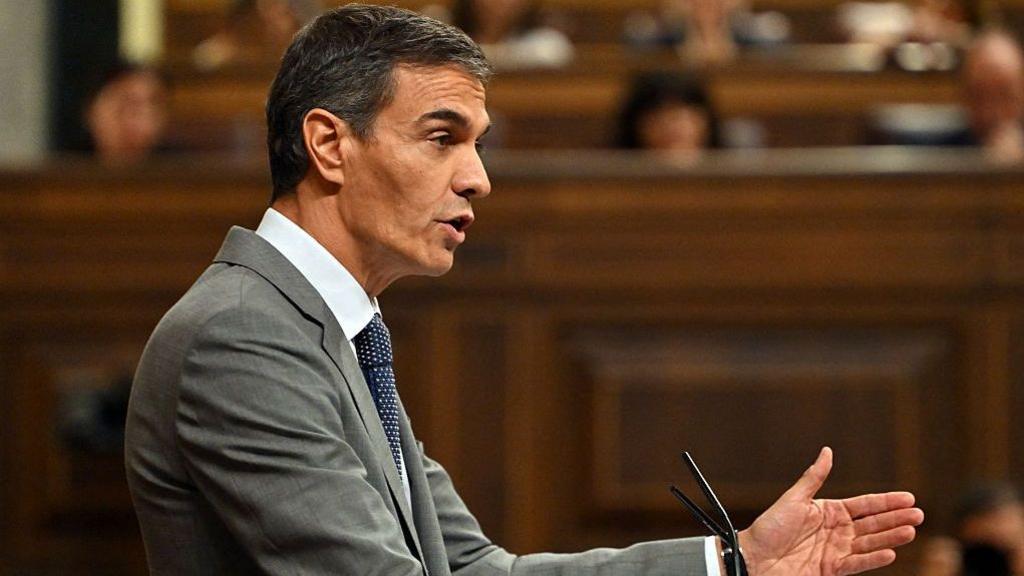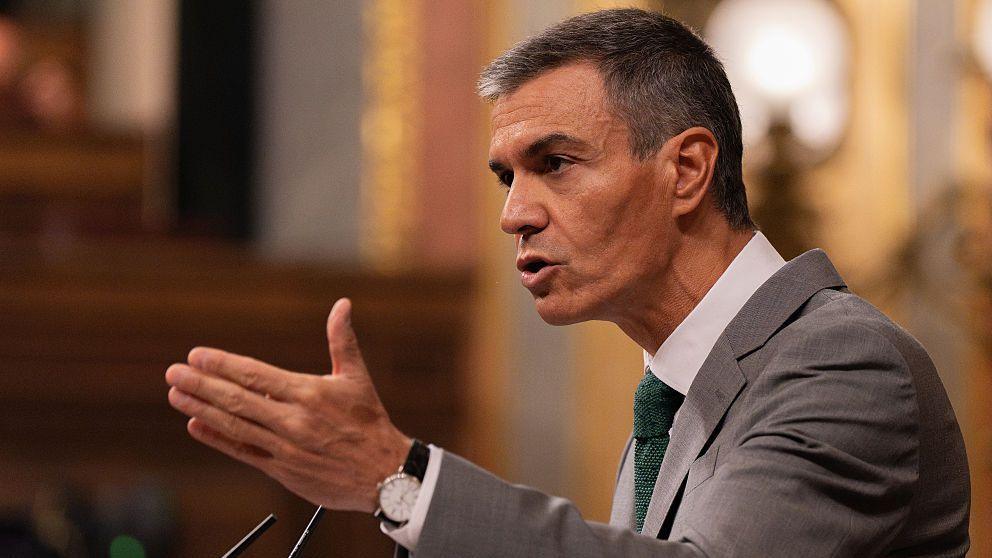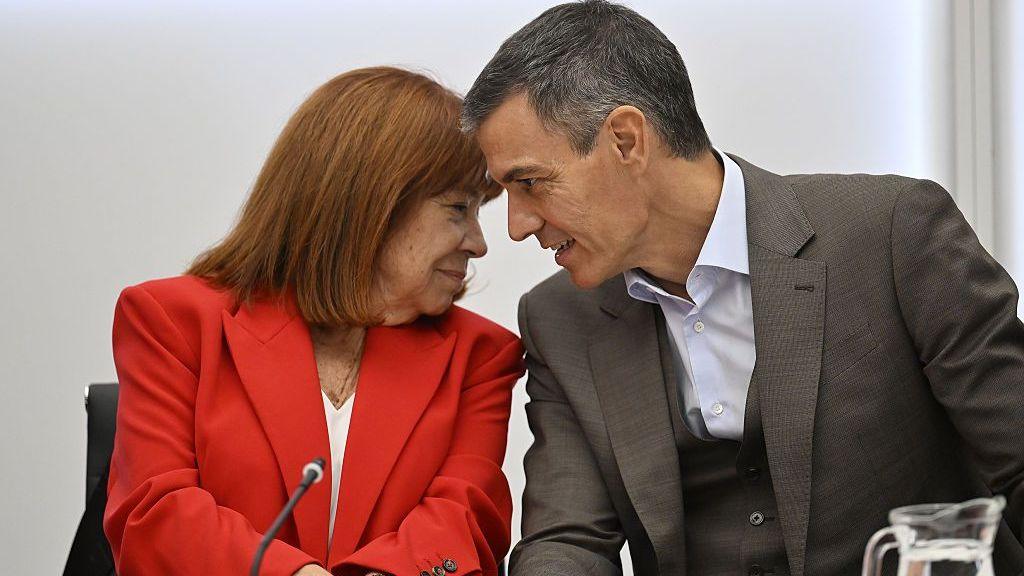

Prime Minister Pedro Sánchez has called a snap election for 29 November after a key housing reform package was defeated in the Spanish Cortes Generales by a narrow margin of right‑wing votes.
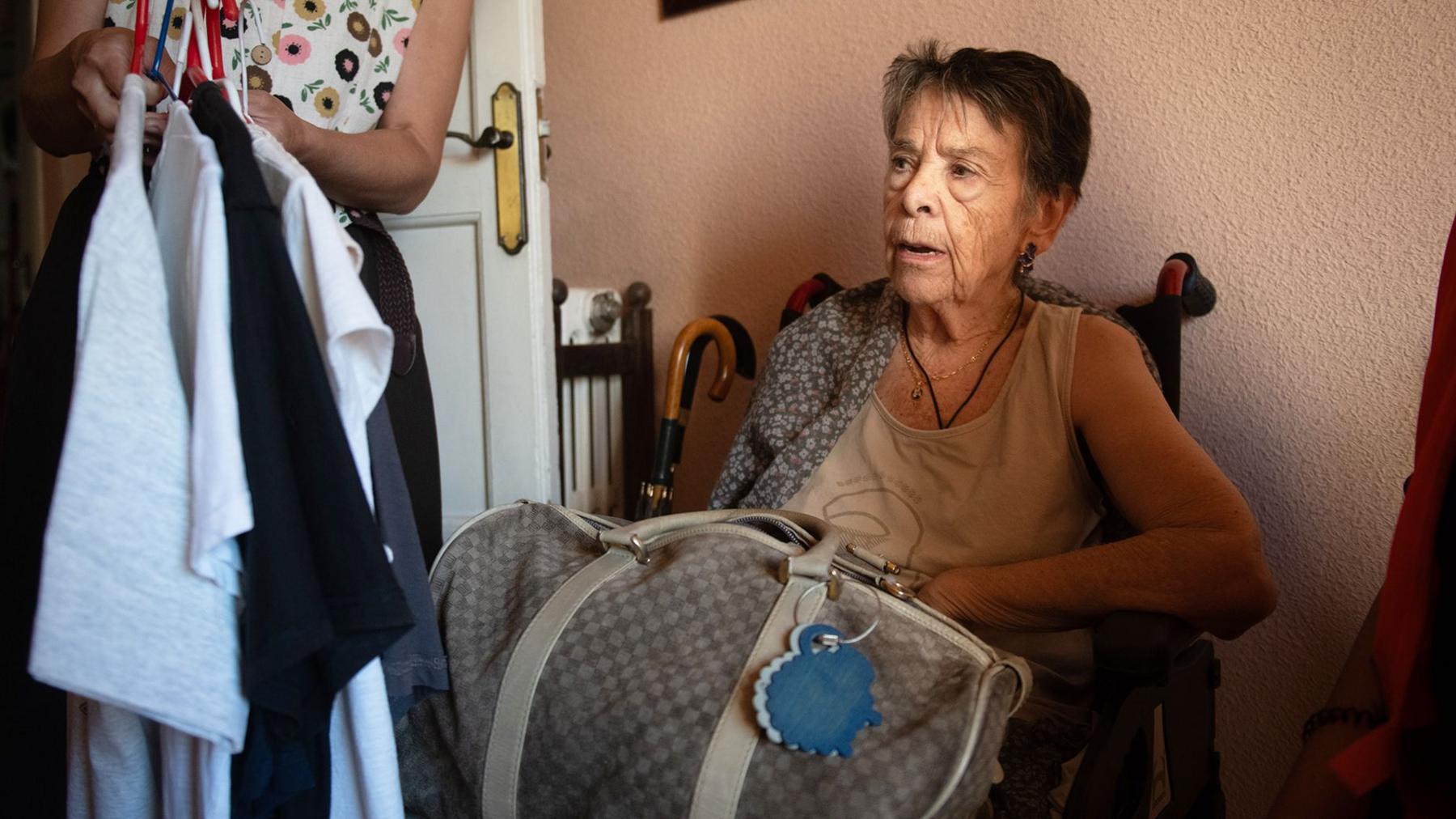
His government’s proposals—aimed at stopping evictions, tightening rent controls and curbing investor purchases of residential property—faced a resounding rejection that confirmed the Socialists no longer hold a majority.
Compounding the parliamentary crisis, the PSOE is mired in a series of scandals: former senior figures Santos Cerdán and José Luis Ábalos are embroiled in corruption cases, former Prime Minister José Luis Rodríguez Zapatero faces accusations over airline bail‑outs, and Sánchez’s wife is due to stand trial over alleged misuse of funds.
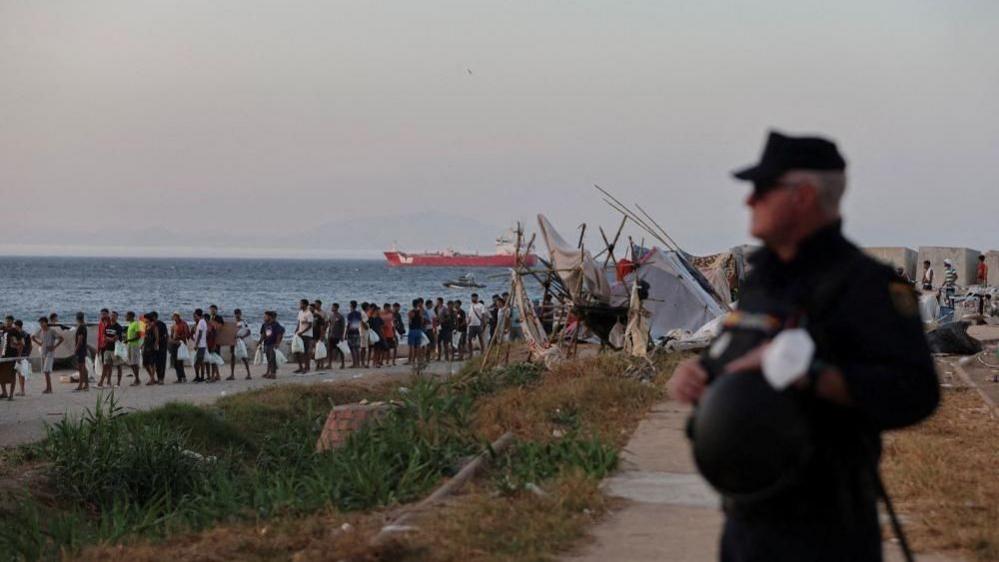
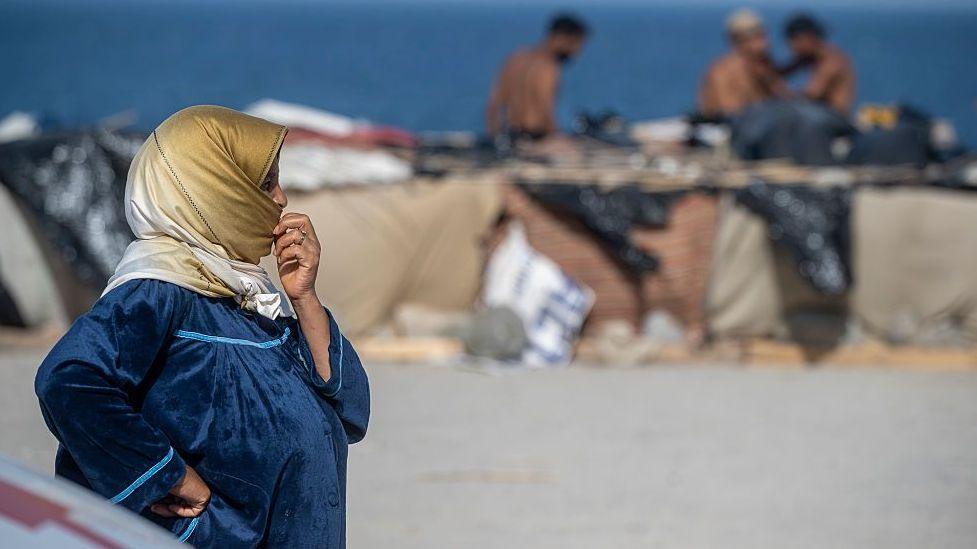
Meanwhile, the sudden arrival of over 70,000 migrants in the Spanish exclave Ceuta last July has left Madrid scrambling for a solution and added to public frustration with the administration’s crisis management.
Seeing a way out, Sánchez has framed the housing debate as a “social rights” crusade, promising to “mobilise and ensure that parliament gives us a much bigger, progressive majority” to defeat the elites and transform Spain.
Opposition parties – particularly the conservative People’s Party and the far‑right Vox – have long criticised Sánchez’s direct interventionist policies, viewing them as counter‑productive, and voted against the housing measures on principle.
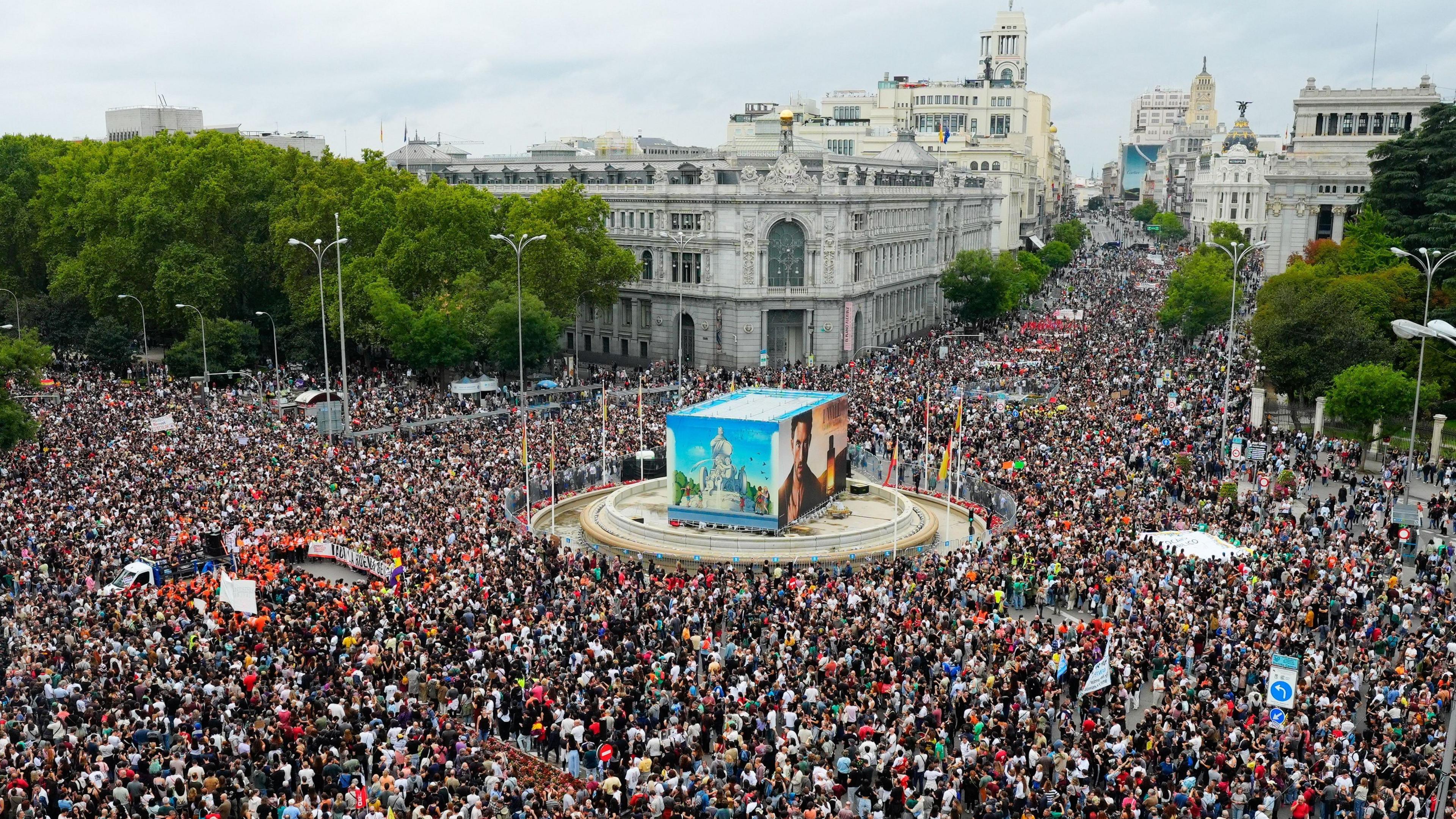
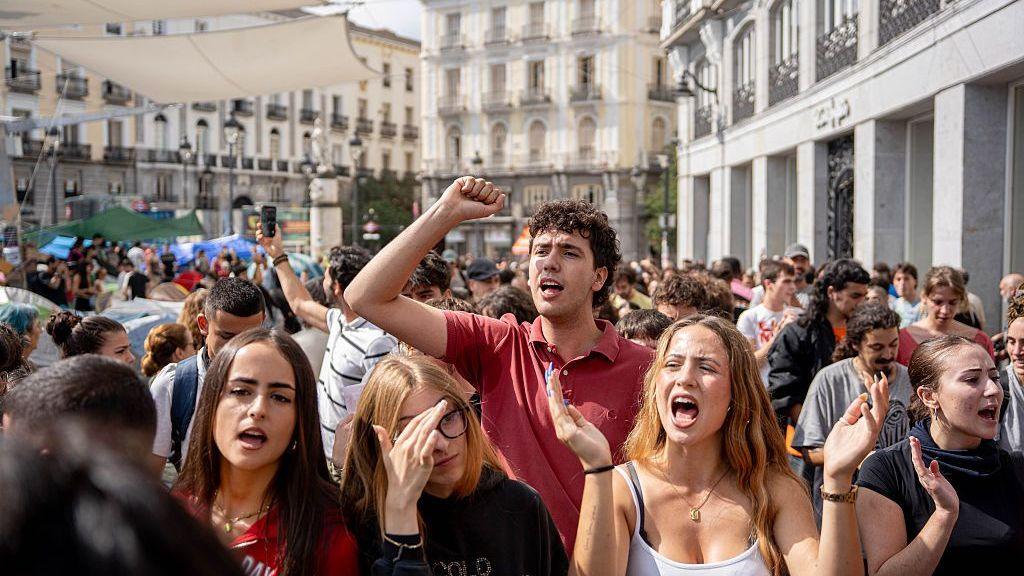
Protests across Spanish cities, including Madrid, Valencia, and Barcelona, have amplified calls for stronger tenant protections and put the housing crisis at the centre of public sentiment, giving Sánchez a potential rallying point to draw voters away from the Ceuta crisis and corruption narrative.
Despite this, current polls still show the Socialists trailing the People’s Party, suggesting that any gain will be hard‑won and that keeping power after the election remains Sánchez’s biggest challenge.
For supporters, the timing of the snap election offers an opportunity for new leadership, but for critics it underscores a pattern of political opportunism amid a series of scandals and crises that have shaken Spain’s governing coalition.