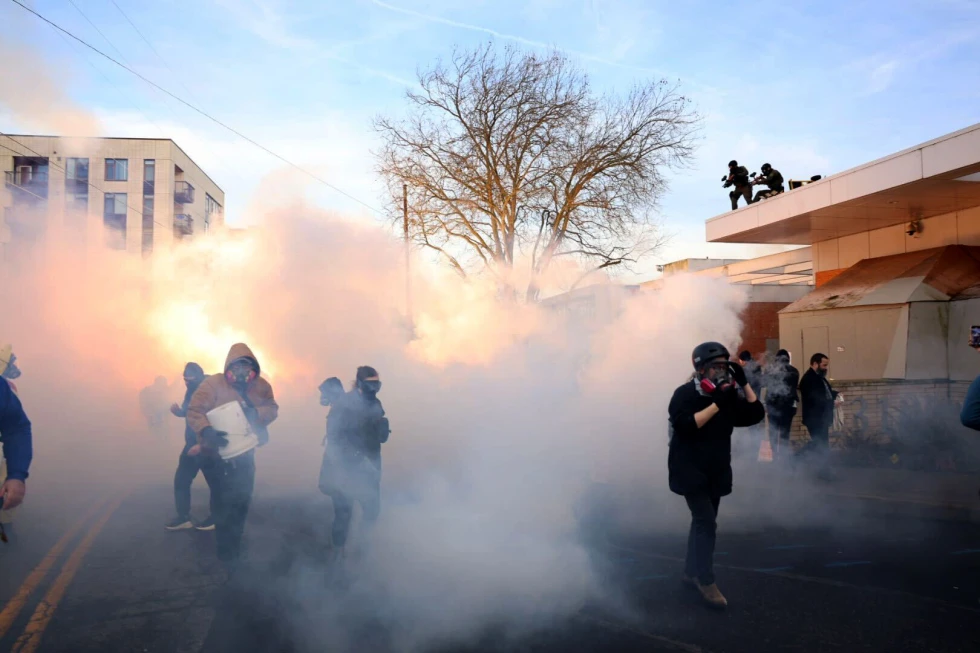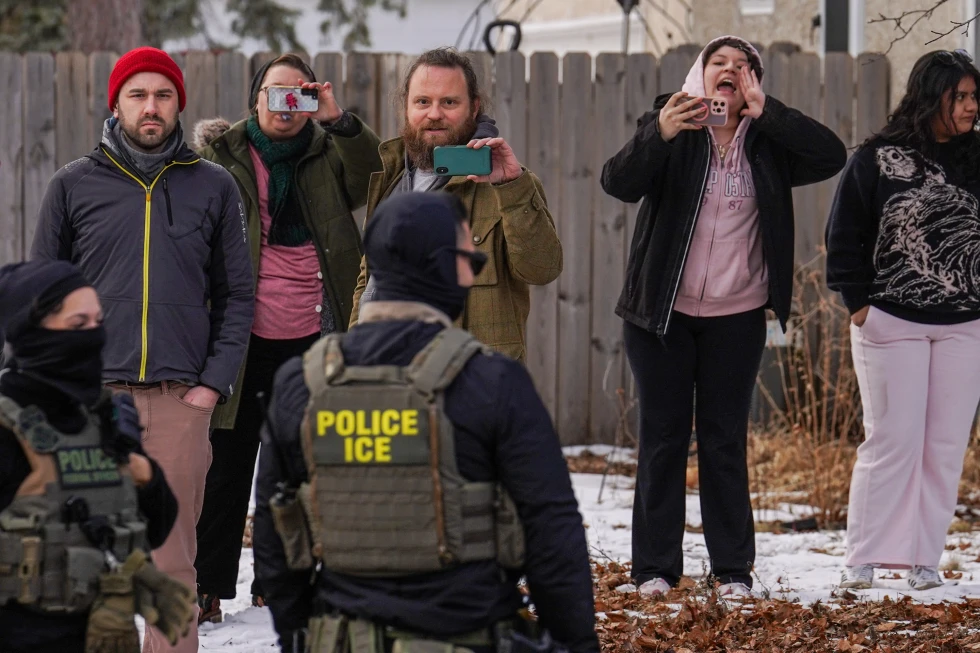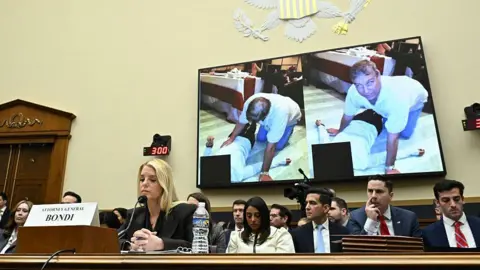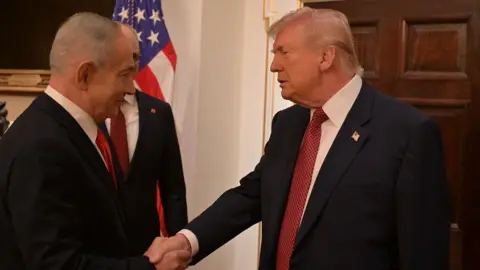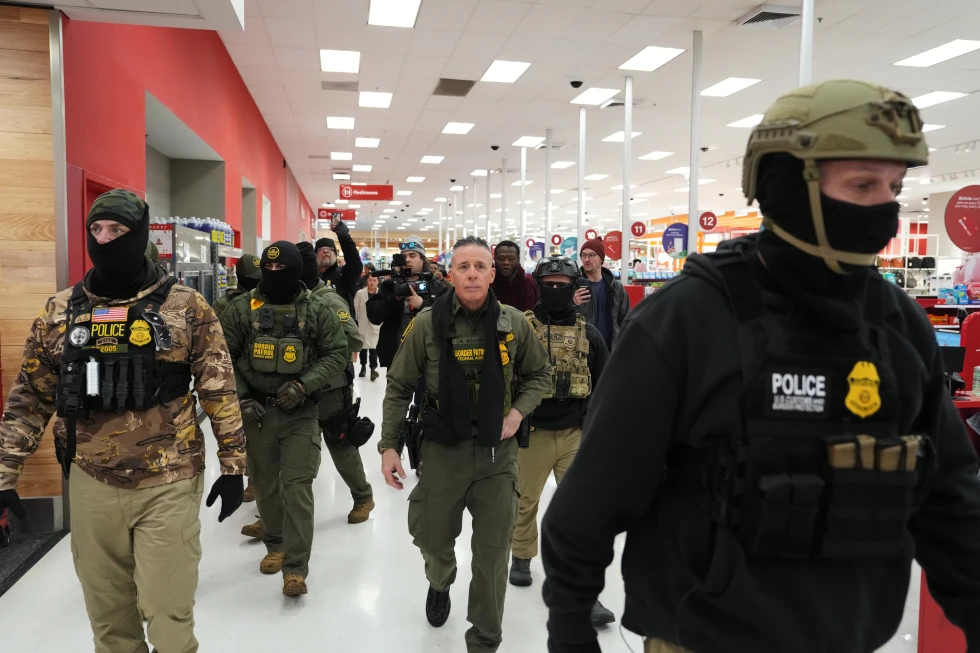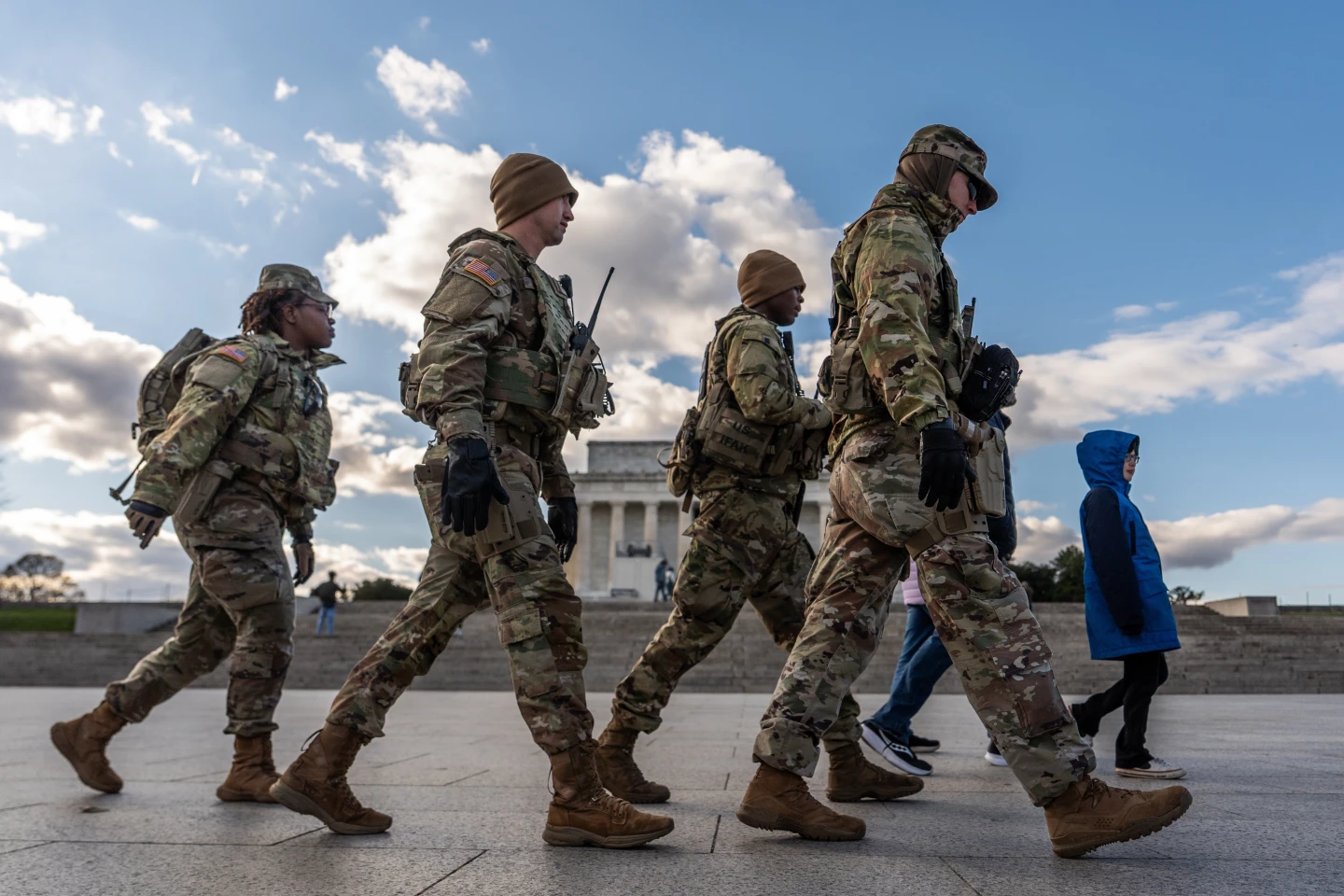
WASHINGTON — In an unprecedented move, the Senate is preparing to question military leaders about President Trump's contentious use of the National Guard in U.S. cities. This inquiry raises critical issues surrounding the legality of these deployments and their impact on the federal and state relationships, raising serious concerns about states' rights. The Senate Armed Services Committee will be hosting a hearing where probing inquiries are anticipated regarding whether these actions were warranted, especially given that in some cases, local mayors and governors have voiced opposition.
Senator Tammy Duckworth, a Democrat from Illinois and a veteran of the National Guard, has been vocal about her opposition to these deployments. She asserts that they are being executed under misleading and possibly false pretenses, diverging from traditional roles where such forces were called in during natural disasters rather than for immigration enforcement purposes. The military should not be tangled up in this domestic political scheme, Duckworth told AP.
Concerns extend beyond the legal frameworks as Duckworth aims to understand how these decisions might affect military readiness and operational training, alongside potential costs associated with these deployments. Furthermore, Duckworth seeks assurances about the legal protections afforded to Guard members involved in actions potentially leading to civil rights violations.
Adding to the controversy, recent judicial decisions have questioned the constitutionality of President Trump's unilateral deployments without state approval, leading to various legal challenges. The implications of these military mobilizations are being felt across the board, with discussions in the Senate highlighting the essential question about the role of the military in civilian matters and the balance of power between state and federal jurisdictions.
As the Senate gears up for this pivotal hearing, the eyes of the nation will be watching closely, understanding that the outcomes could reshape the landscape of military engagement within the United States.
Senator Tammy Duckworth, a Democrat from Illinois and a veteran of the National Guard, has been vocal about her opposition to these deployments. She asserts that they are being executed under misleading and possibly false pretenses, diverging from traditional roles where such forces were called in during natural disasters rather than for immigration enforcement purposes. The military should not be tangled up in this domestic political scheme, Duckworth told AP.
Concerns extend beyond the legal frameworks as Duckworth aims to understand how these decisions might affect military readiness and operational training, alongside potential costs associated with these deployments. Furthermore, Duckworth seeks assurances about the legal protections afforded to Guard members involved in actions potentially leading to civil rights violations.
Adding to the controversy, recent judicial decisions have questioned the constitutionality of President Trump's unilateral deployments without state approval, leading to various legal challenges. The implications of these military mobilizations are being felt across the board, with discussions in the Senate highlighting the essential question about the role of the military in civilian matters and the balance of power between state and federal jurisdictions.
As the Senate gears up for this pivotal hearing, the eyes of the nation will be watching closely, understanding that the outcomes could reshape the landscape of military engagement within the United States.