WASHINGTON (AP) — For several hours Friday, in the stillness before dawn, the Senate appeared to have finally figured out how to fund most of the Department of Homeland Security before it faced the longest partial shutdown in U.S. history.
Senators handed House Speaker Mike Johnson, R-La., their deal and headed for the airports, seemingly confident of success.
Then it collapsed. Spectacularly.
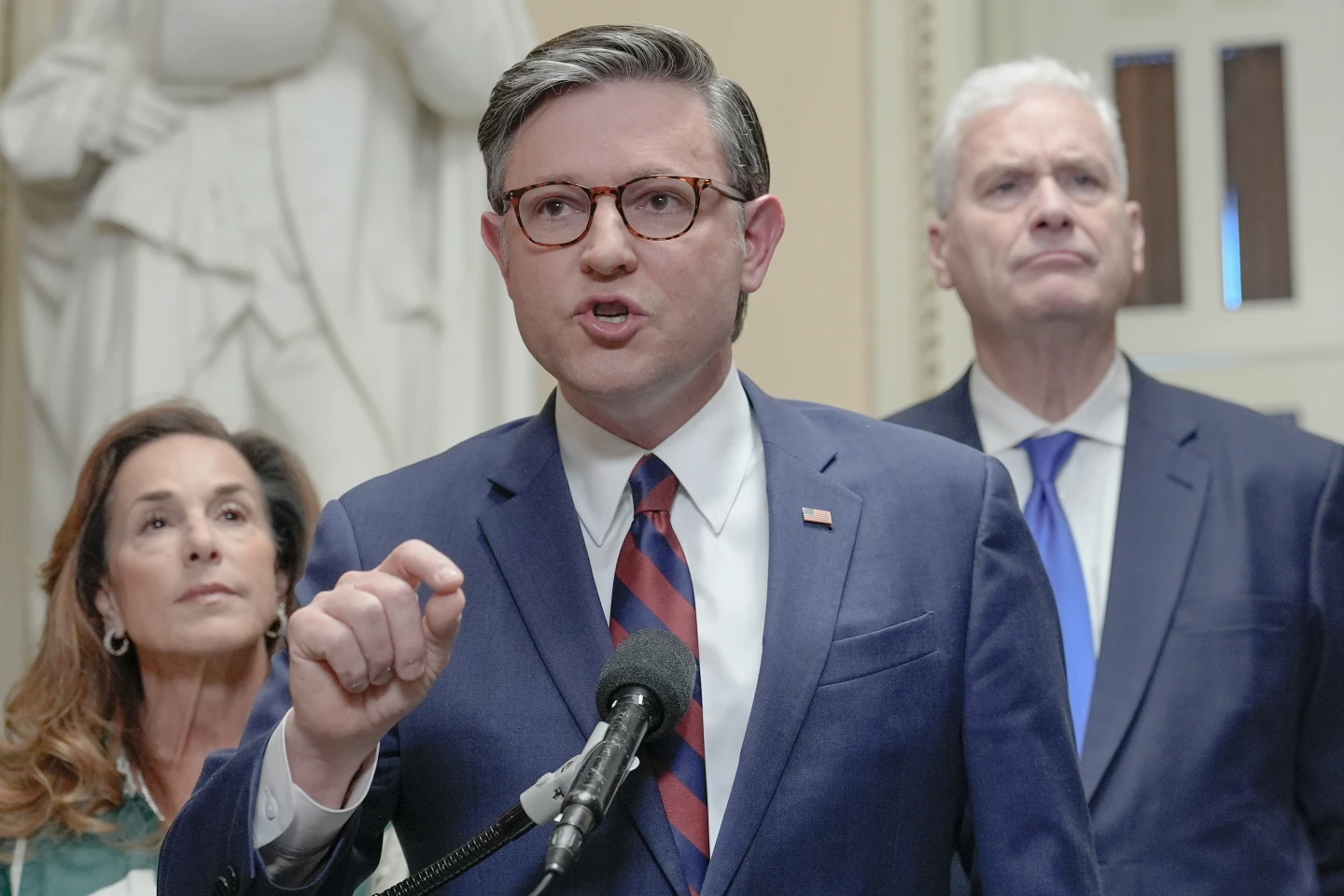
An incensed Johnson marched out of his office Friday afternoon. He angrily rebuked the plan that the Senate had unanimously agreed to as a “joke.”
“I have to protect the House, and I have to protect the American people,” Johnson told reporters.
This dramatic denunciation of a deal negotiated by Senate Majority Leader John Thune, R-S.D., came after weeks of effort, marking yet another abrupt twist in a funding saga that has plagued top Republicans for much of the year.
The collapse of the deal leaves Congress with no easy way out of the impasse that has kept the Department of Homeland Security in limbo since mid-February. It also exposes a rare fracture between GOP leaders, testing their alliances as they scramble to advance President Donald Trump’s legislative priorities before the upcoming elections.
How the deal collapsed
Thune had reached a tentative agreement with Democratic senators after extensive negotiations that included discussions about new restrictions on the department’s immigration enforcement work. However, despite numerous offers traded between the parties, votes consistently failed.
As tensions escalated, senators decided on a compromise: they would omit funding for U.S. Immigration and Customs Enforcement (ICE) and the U.S. Border Patrol, while foregoing Democratic demands for new limits on these agencies.
Thune assured reporters that moving forward with funding would at least reopen large parts of the government as negotiations would continue on other issues.
However, outrage quickly surfaced among House Republicans when they learned of the Senate’s compromise.
Rep. Nick LaLota, R-N.Y., commented on a GOP conference call expressing outrage that “the Senate chickened out” amidst ongoing negotiations.
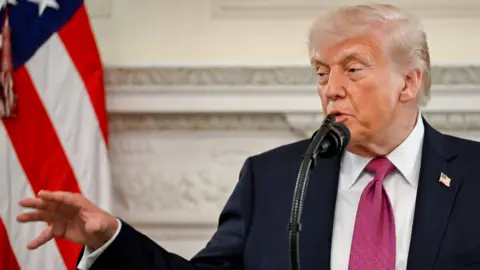
The divide within the Republican Party raises alarms on how to proceed with upcoming legislative tasks, particularly with Trump’s desire to impose strict new proof of citizenship for voting, which appears unlikely to gather support.
Amidst this turmoil, Democrats are seizing the moment to blame House Republicans for prolonging the government shutdown.
As Congress heads into uncertain waters, many are left pondering how to overcome the challenges presented by a divided government.