The US Senate has voted to end a partial 40-day government shutdown, approving funding for the Department of Homeland Security (DHS) - with the exception of immigration enforcement. The almost six-week funding lapse has seen knock-on disruption at US airports. Security workers' salaries are paid by the DHS, and hundreds have quit since the shutdown began.
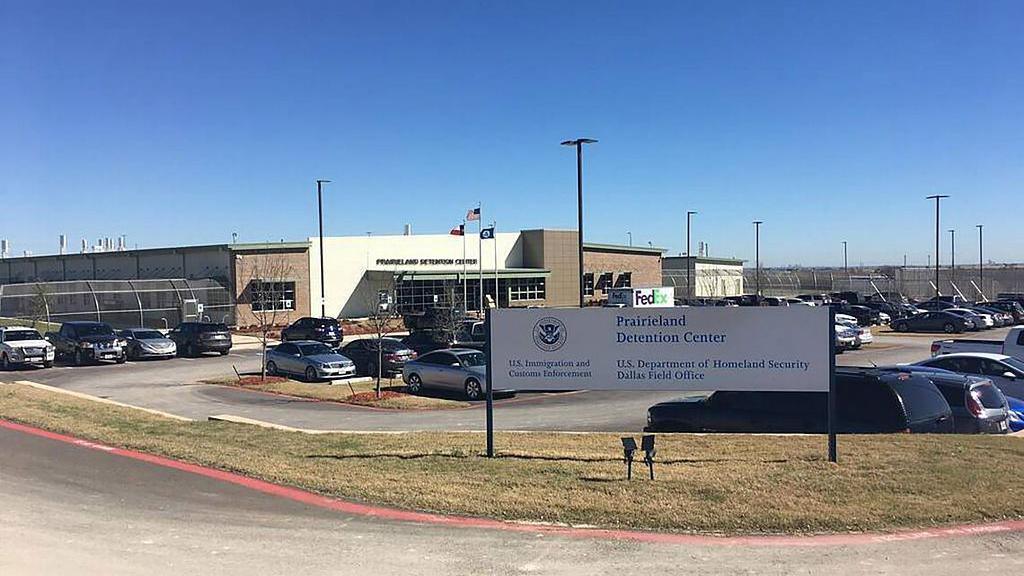
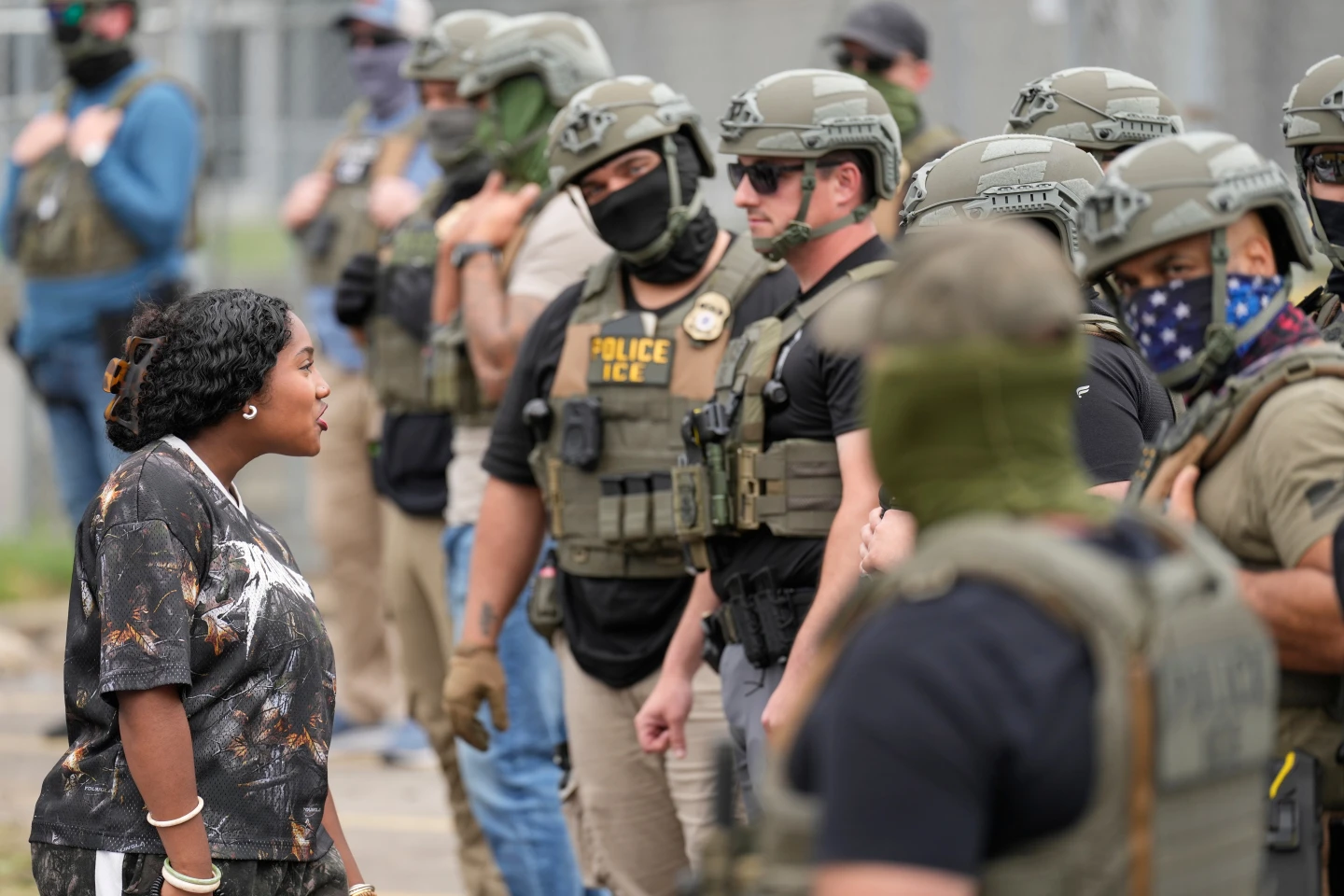
Democrats had refused to agree a funding deal without reforms to the US Immigration and Customs Enforcement (ICE) agency, but the Senate reached unanimous agreement in the early hours of Friday after stripping ICE and parts of border protection out of the measure. The funding measures now face a vote in the House of Representatives.
It is hoped that the package can bring an end to widespread disruption at airports across the US, where travelers have faced hours-long queues due to a shortage of Transportation Security Administration (TSA) officers at security checkpoints. Around 50,000 TSA agents, part of the DHS, have been working without pay since mid-February due to the shutdown, which has reduced the number turning up to work each day.
A BBC reporter at Houston airport reported waiting for about two hours in a long queue, only to find that additional lines stretched toward security. Jim Szczesniak, director of aviation for the Houston Airport System, indicated that the airport is currently operating just one-third to 50% of its TSA checkpoints.
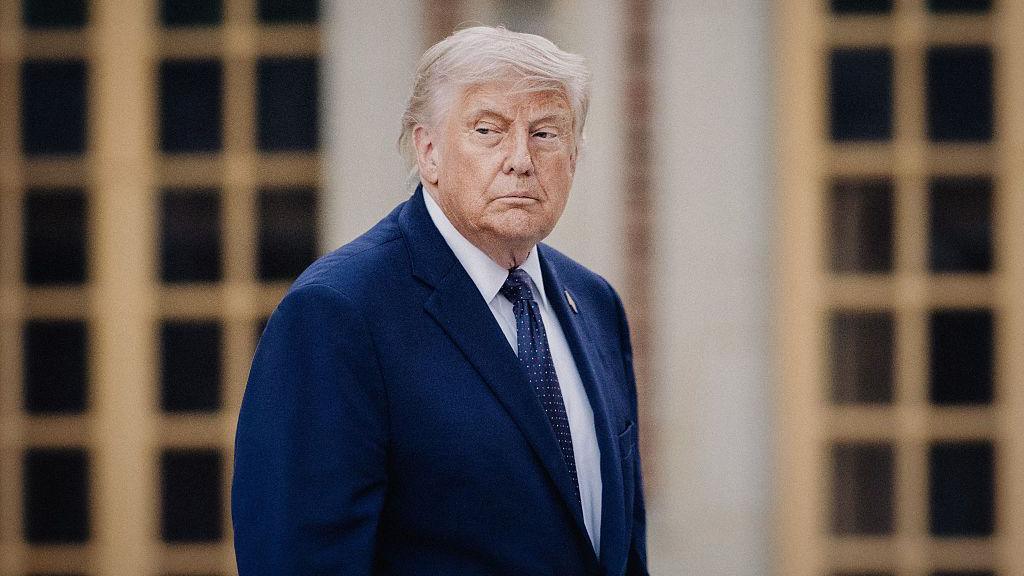
Just before the Senate vote, President Trump announced that he would sign an executive order to ensure immediate payment for TSA agents. Senate Majority Leader John Thune criticized the delays, stating, President Trump should never have had to step in to rescue TSA workers and US air travel.
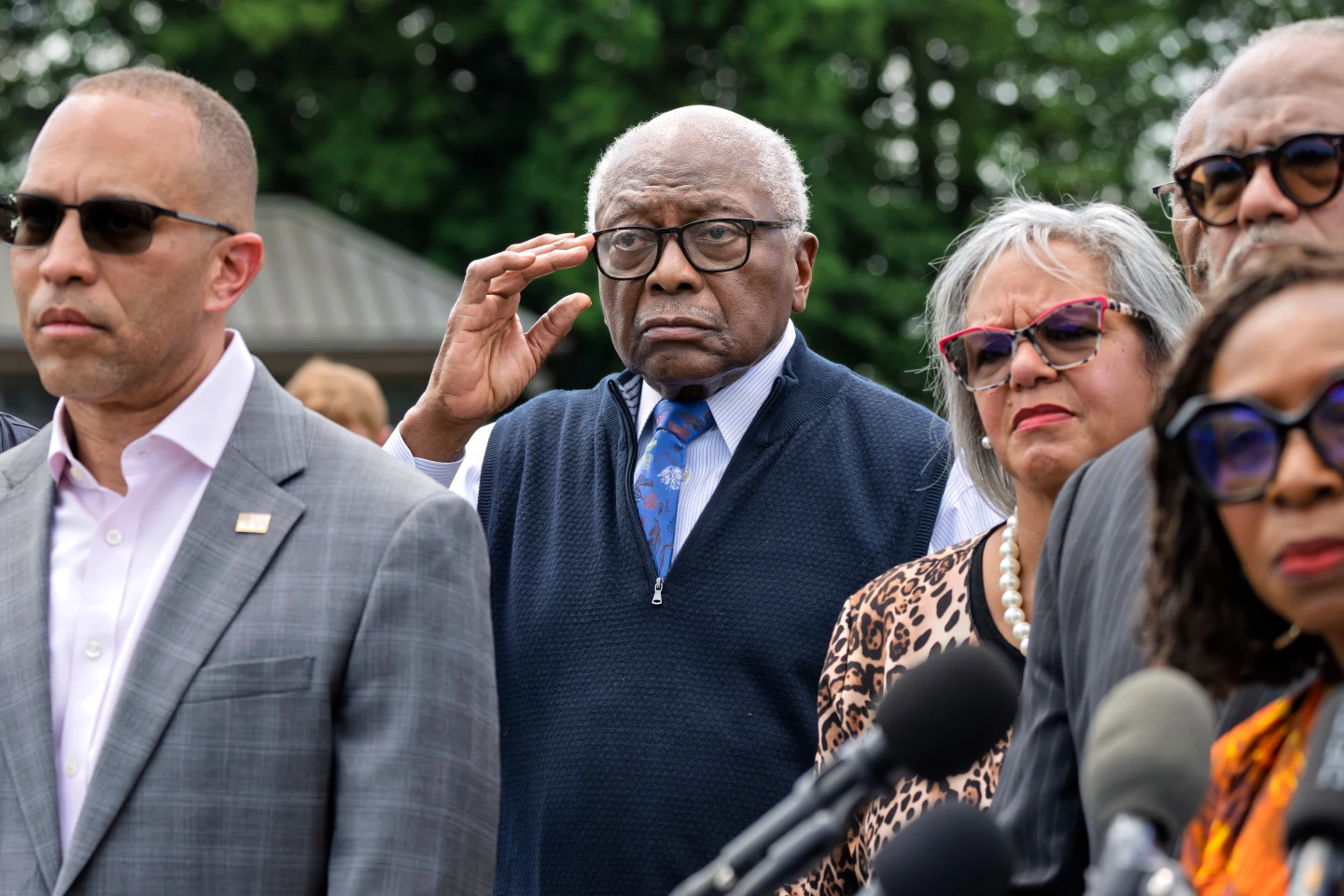
On the other hand, Minority Leader Chuck Schumer highlighted the funding package's support for various agencies, but expressed the necessity for reform in ICE practices, especially in light of recent controversies surrounding ICE actions.
The ongoing standoff and negotiations underscore the contentious divide over immigration policy and funding in Congress.
Democrats had refused to agree a funding deal without reforms to the US Immigration and Customs Enforcement (ICE) agency, but the Senate reached unanimous agreement in the early hours of Friday after stripping ICE and parts of border protection out of the measure. The funding measures now face a vote in the House of Representatives.
It is hoped that the package can bring an end to widespread disruption at airports across the US, where travelers have faced hours-long queues due to a shortage of Transportation Security Administration (TSA) officers at security checkpoints. Around 50,000 TSA agents, part of the DHS, have been working without pay since mid-February due to the shutdown, which has reduced the number turning up to work each day.
A BBC reporter at Houston airport reported waiting for about two hours in a long queue, only to find that additional lines stretched toward security. Jim Szczesniak, director of aviation for the Houston Airport System, indicated that the airport is currently operating just one-third to 50% of its TSA checkpoints.
Just before the Senate vote, President Trump announced that he would sign an executive order to ensure immediate payment for TSA agents. Senate Majority Leader John Thune criticized the delays, stating, President Trump should never have had to step in to rescue TSA workers and US air travel.
On the other hand, Minority Leader Chuck Schumer highlighted the funding package's support for various agencies, but expressed the necessity for reform in ICE practices, especially in light of recent controversies surrounding ICE actions.
The ongoing standoff and negotiations underscore the contentious divide over immigration policy and funding in Congress.