Saudi Arabia's foreign ministry has called for Yemen's southern factions to attend a dialogue in Riyadh, following a dramatic turn of events in the south that has brought Saudi Arabia and the United Arab Emirates into unprecedented direct confrontation.
Both Gulf powers have intervened on behalf of Yemen's internationally recognised government in the country's long-running civil war, but a fracturing of the alliance has led them to back different rival groups on the ground.
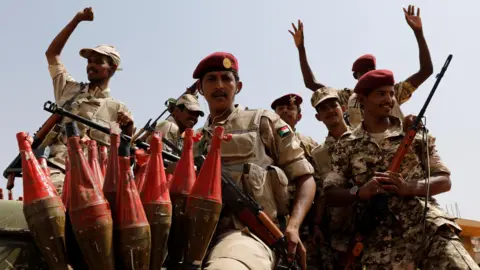
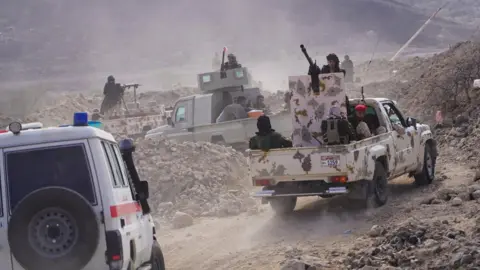
One of the groups is now pushing to declare the independence of a breakaway state in southern Yemen. On Friday, the UAE-backed force declared that a war had begun, accusing Saudi-backed ground forces of launching an attack alongside air strikes by the Saudi air force.
The Saudi ministry stressed the need for a comprehensive conference in Riyadh to bring together all southern factions to discuss just solutions to the southern cause. They stated that the Yemeni government had issued the invitation for talks.
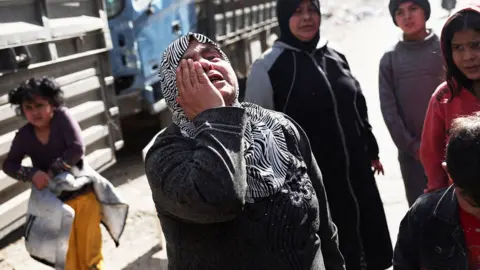
Yemen's civil war, which erupted in 2014, has plunged the already impoverished country into years of deadly violence and triggered one of the world's worst hunger crises. At the beginning of the conflict, the Iran-backed rebel Houthi movement seized control of most of northern Yemen, including the capital Sanaa.
In recent developments, the STC launched a large-scale military offensive in eastern Yemen, aiming to strengthen its claims for an independent state. The STC's advances, however, have led to accusations of rebellion from the leadership of the Saudi-backed Presidential Leadership Council (PLC) who argue that such moves threaten to fracture Yemen further.
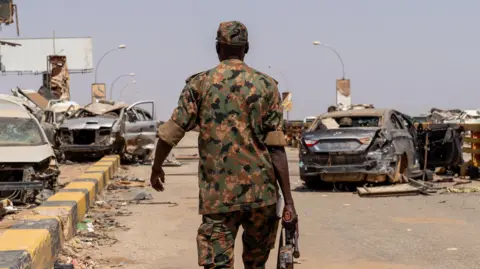
The conflict has recently escalated with air strikes by the Saudi-led coalition, causing casualties and destruction. Further complicating the situation, the UAE has denied allegations of sending military aid to the STC, amid claims that the coalition strikes targeted their equipment.
The ramifications of this newfound tension between the UAE and Saudi Arabia—a relationship strained over separate agendas in Yemen—present a precarious future for the already vulnerable country, as efforts towards peace become critical.